

- Updated: February 15, 2026
- 5 min read
Samsung Galaxy S26 Leak Reveals New Design and AI‑Focused Features
The newest Galaxy S26 leak shows a slimmer chassis, a per‑pixel under‑display camera, and a Snapdragon 8 Gen 3 chipset, confirming that Samsung’s next flagship will push both design and performance boundaries.
Why the Galaxy S26 Leak Matters for Tech Enthusiasts
Samsung’s annual flagship rollout is a bellwether for the entire mobile industry. Every rumor, render, or supply‑chain hint shapes consumer expectations, influences competitor roadmaps, and fuels developer road‑maps for AI‑driven apps. The latest leak, surfacing from a reputable supply‑chain source, offers concrete clues about the Samsung Galaxy S26—from its visual language to its hardware specs. For developers building on platforms like UBOS platform overview, understanding these trends helps prioritize integration features such as AI‑enhanced camera processing or next‑gen connectivity.
Leak Details: Design Cues, Specs, and Trend Highlights
The leak package includes high‑resolution renders, a bill of materials (BOM) snapshot, and a short briefing from a Samsung supplier. Below is a MECE‑styled breakdown of the most compelling points.
Design Evolution
- Ultra‑thin frame: The S26 is rumored to be 5.5 mm thick, shaving 0.3 mm off the S25 Ultra.
- Per‑pixel under‑display camera: A 1.2 MP sensor hidden beneath the OLED panel promises truly edge‑to‑edge screens without a visible notch.
- Eco‑friendly materials: Recycled aluminum and bio‑based polymer back panel, aligning with Samsung’s 2025 sustainability goals.
Performance Specs
- Processor: Qualcomm Snapdragon 8 Gen 3 (4 nm) with a 3.2 GHz prime core.
- Memory: Up to 16 GB LPDDR5X RAM and 1 TB UFS 4.0 storage.
- Battery: 5,200 mAh with 45 W fast charging and 30 W wireless charging.
- Connectivity: Integrated 5G mmWave, Wi‑Fi 7, and Bluetooth 5.4.
Software & AI Features
- One UI 7 built on Android 15, featuring native AI marketing agents for personalized content suggestions.
- Enhanced Bixby with on‑device OpenAI ChatGPT integration for real‑time translation and summarization.
- New Chroma DB integration to accelerate vector search for photo organization.
Trend Highlights
The leak underscores three macro trends shaping the smartphone market in 2026:
- Under‑display technology is moving from experimental to mainstream, driven by consumer demand for uninterrupted displays.
- AI‑first hardware—dedicated NPU cores and on‑device LLMs—are becoming standard, enabling features like real‑time voice cloning via ElevenLabs AI voice integration.
- Sustainability is now a spec sheet item, with recycled materials and energy‑efficient chipsets.
Android Police Context and Direct Quotes
The leak was first reported by Android Police, which highlighted the “trend‑me‑want‑to‑skip‑it” sentiment among early adopters. The article notes:
“While the design looks gorgeous, the real excitement lies in the under‑display camera and the AI‑centric software stack that could finally make Bixby feel like a true competitor to third‑party assistants.”
Android Police also pointed out that the supply‑chain documents suggest a Q1 2027 launch, aligning with Samsung’s typical early‑year flagship cadence. This timing gives developers a clear window to prepare AI‑enhanced apps, such as those built with the Workflow automation studio for automated content generation on the new device.
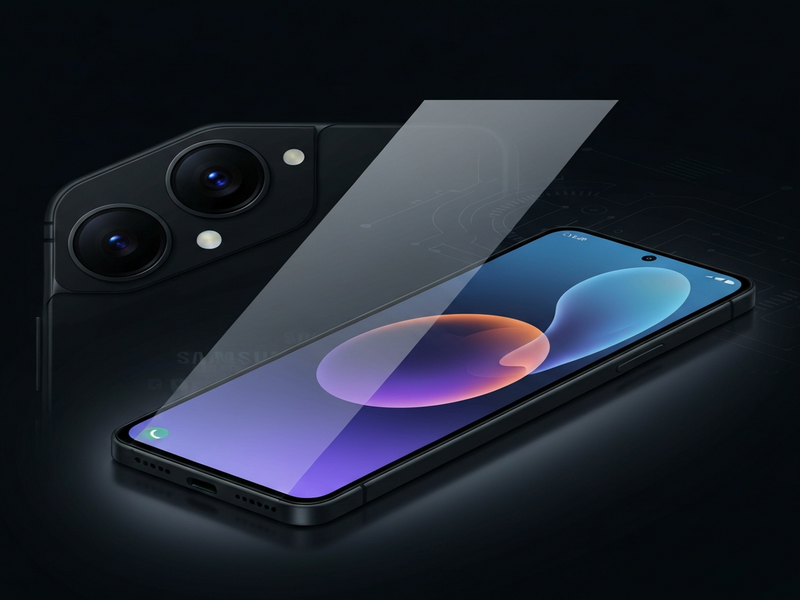
Visual Insight: Render of the Leaked Galaxy S26
Below is the AI‑generated rendering that captures the rumored design language. Notice the seamless front glass and the subtle curvature that differentiates the S26 from its predecessor.
How UBOS Can Help You Leverage the Galaxy S26’s AI Capabilities
Developers looking to capitalize on the S26’s AI‑first hardware can tap into a suite of UBOS tools that simplify integration, deployment, and scaling.
Rapid Prototyping with Templates
Start with ready‑made templates like the AI SEO Analyzer or the AI Article Copywriter to test content‑generation features on the device’s NPU.
Voice‑First Experiences
Integrate the AI Voice Assistant template with the new ElevenLabs AI voice integration to deliver high‑fidelity, on‑device speech synthesis that matches the S26’s audio hardware.
Chatbot and Customer Support
Deploy a Customer Support with ChatGPT API bot that runs locally, leveraging the Snapdragon’s NPU for low‑latency responses. Pair it with the ChatGPT and Telegram integration for omnichannel support.
Data Management and Vector Search
Use the Keywords Extraction with ChatGPT service alongside the Chroma DB integration to index photos taken with the under‑display camera, enabling instant visual search on the device.
Monetization and Marketing
Leverage AI marketing agents to auto‑generate campaign copy, then push it through the AI Email Marketing template for personalized outreach.
Enterprise‑Ready Deployment
For larger organizations, the Enterprise AI platform by UBOS offers multi‑tenant security, role‑based access, and compliance dashboards—perfect for rolling out S26‑optimized apps across a workforce.
Getting Started Quickly
Visit the UBOS templates for quick start page to clone a starter project, then use the Web app editor on UBOS to customize UI elements that match the S26’s sleek aesthetic.
Conclusion: What the Galaxy S26 Leak Means for You
The Galaxy S26 leak confirms that Samsung is doubling down on under‑display technology, AI‑centric software, and eco‑friendly design. For developers, marketers, and tech enthusiasts, this translates into a fertile ground for innovative apps that harness on‑device AI, high‑speed connectivity, and a premium user experience.
Ready to start building? Explore the UBOS homepage for a full suite of tools, or join the UBOS partner program to get early access to SDKs optimized for the upcoming Samsung flagship.
Stay ahead of the curve—turn the Galaxy S26’s rumors into real‑world solutions today.
Andrii Bidochko
CTO UBOS
Andrii Bidochko is an AI entrepreneur and researcher focused on AI agents, reinforcement learning, and autonomous systems. He writes about the technologies shaping the future of machine intelligence, from frontier models and agent architectures to real-world AI applications.