

- Updated: February 23, 2026
- 5 min read
Pope Leo XIV Urges Priests to Rely on Their Own Minds, Not AI, for Homilies
Pope Leo XIV has publicly urged priests to rely on their own intellect and pastoral experience rather than artificial intelligence when preparing homilies.
Pope Leo XIV Urges Priests to Use Their Brains, Not AI, for Homilies
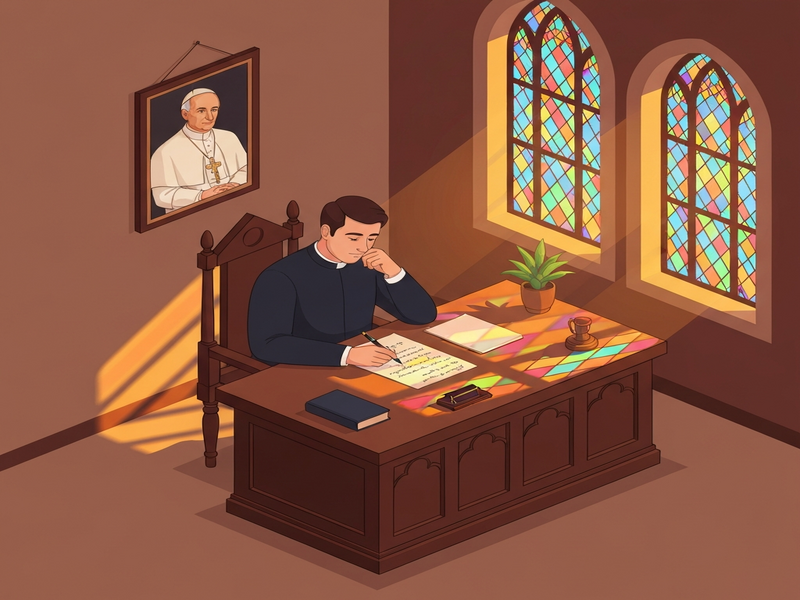
In a bold address to the global clergy, Pope Leo XIV warned that AI homilies risk diluting the personal touch that defines authentic pastoral care. The Vatican’s latest original EWTN article captured the Pope’s concern: “A homily is a prayer of the heart, not a product of an algorithm.”
This statement arrives at a time when churches worldwide are experimenting with religious AI tools—ranging from sermon‑writing bots to voice‑synthesizers that read liturgies aloud. While technology promises efficiency, the Holy Father’s message underscores a theological boundary: the priest’s mind, conscience, and spirit must remain the primary source of inspiration.
AI in the Church: A Brief History
The Catholic Church’s relationship with technology has always been nuanced. From the printing press in the 15th century to livestreamed Masses during the pandemic, the Vatican has embraced tools that amplify the Gospel. In the last five years, however, a new wave of church technology has emerged:
- ChatGPT‑style language models that draft sermon outlines in seconds.
- Voice‑synthesis platforms such as ElevenLabs AI voice integration that can read prayers in multiple languages.
- Data‑driven analytics tools that suggest “trending” biblical passages based on social media metrics.
Proponents argue that these tools free priests from administrative overload, allowing more time for pastoral visits. Critics, however, warn that over‑reliance on algorithms could erode the personal discernment that the sacrament of the Word demands.
The Pope’s Direct Advice
“When a priest writes a homily, he is speaking the language of the Holy Spirit. No computer can replace that divine dialogue.” – Pope Leo XIV
During a press conference at the Vatican, the Pope highlighted three core reasons why priests should avoid delegating homily preparation to AI:
- Authenticity: A homily rooted in personal prayer reflects the unique spiritual journey of the celebrant.
- Pastoral Sensitivity: AI lacks the ability to read the subtle emotional currents of a congregation.
- Theological Integrity: Algorithms can inadvertently misinterpret doctrine, leading to doctrinal errors.
The Pope also referenced the UBOS platform overview, noting that while AI can assist in administrative tasks, it should never replace the “human heart” in liturgical leadership.
Clergy & Faithful Respond
Supportive Voices
Father Marco Rossi, a parish priest in Milan, praised the Pope’s stance: “I use AI only for scheduling. My homilies remain a dialogue with God, not a spreadsheet.”
Critical Perspectives
Conversely, a tech‑savvy group of seminarians argued that rejecting AI outright could hinder evangelization in a digital age. They suggested a hybrid model where AI provides research assistance while the priest crafts the final message.
The debate has also spilled onto social media, with hashtags like #BrainNotBot trending on X (Twitter) and #AIHomily on Reddit. Many faithful members expressed relief, fearing that AI‑generated sermons might feel “soulless.”
Practical Implications for Priests
The Pope’s guidance translates into actionable steps for clergy who are already experimenting with technology:
- Use AI for Research, Not Writing: Tools like the OpenAI ChatGPT integration can quickly gather biblical commentaries, but the priest should synthesize the material personally.
- Leverage Voice‑Synthesis for Accessibility: The ElevenLabs AI voice integration can produce audio versions of the homily for the hearing‑impaired, without replacing the spoken delivery.
- Maintain a Personal Prayer Routine: Prior to drafting, spend dedicated time in prayer to invite the Holy Spirit.
- Employ Workflow Automation for Logistics: The Workflow automation studio can handle liturgical calendars, leaving more mental space for spiritual reflection.
For parishes seeking a balanced approach, the UBOS templates for quick start provide pre‑designed sermon outlines that can be customized, ensuring the core message remains priest‑crafted.
What This Means for the Future of Church Technology
Pope Leo XIV’s admonition does not reject technology outright; rather, it calls for a disciplined, theological framework. The Vatican’s own About UBOS page highlights a similar philosophy: “Empower humans, don’t replace them.”
In practice, this could lead to:
- Development of AI tools specifically designed for “assistant” roles, such as the AI marketing agents that help promote parish events without crafting theological content.
- Increased investment in training programs that teach clergy how to critically evaluate AI outputs.
- Greater collaboration between theologians and technologists to embed doctrinal safeguards into software.
The UBOS pricing plans already reflect tiered access, allowing smaller parishes to adopt low‑cost automation while preserving high‑value human ministry.
Conclusion
Pope Leo XIV’s clear message—“use your brain, not a bot”—reinforces a timeless truth: the homily is a living encounter between the priest, the Holy Spirit, and the faithful. While AI can streamline research, scheduling, and accessibility, the heart of the sermon must remain human.
Priests, seminarians, and lay leaders seeking to navigate this balance can explore the Enterprise AI platform by UBOS for secure, ethically‑aligned tools, or start with the UBOS solutions for SMBs to test modest automation.
Ready to keep your homilies authentic while embracing smart technology? Visit the UBOS homepage for resources, templates, and a community of clergy who share your commitment to faithful innovation.
Andrii Bidochko
CTO UBOS
Andrii Bidochko is an AI entrepreneur and researcher focused on AI agents, reinforcement learning, and autonomous systems. He writes about the technologies shaping the future of machine intelligence, from frontier models and agent architectures to real-world AI applications.