

- Updated: May 13, 2025
- 4 min read
China’s Cloud-Powered Robots: Leading the Future with Tencent, Huawei, and Baidu
China’s Cloud-Powered Robots: A Glimpse into the Future of Technology
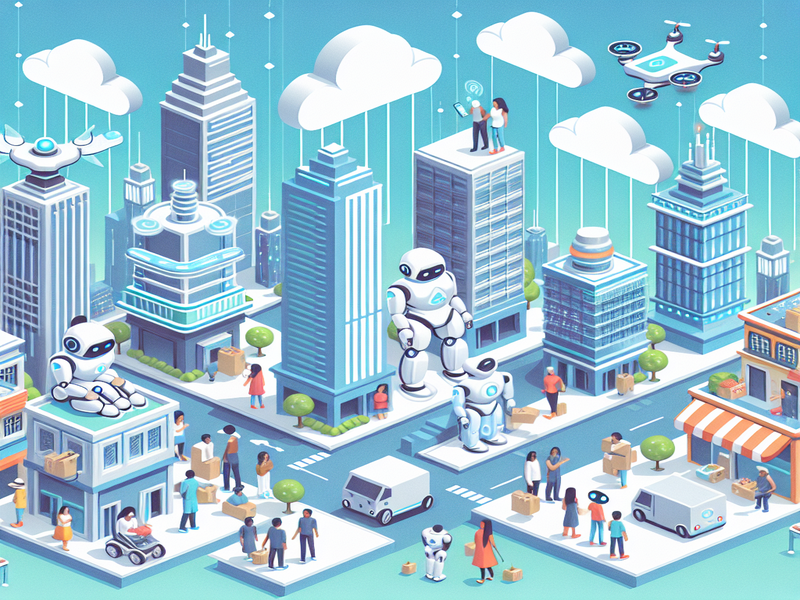
In recent years, China has emerged as a global leader in the realm of cloud-powered robotics, leveraging advanced cloud technologies to revolutionize the robotics industry. With key players such as Tencent, Huawei, and Baidu at the forefront, the impact of cloud technology on robotics is profound, promising a future filled with innovation and growth. This article delves into the intricacies of China’s cloud-powered robots, exploring the key players, the technological impact, and the future prospects of this burgeoning field.
Key Players: Tencent, Huawei, and Baidu
Tencent, Huawei, and Baidu have been pivotal in the development and deployment of cloud-powered robots, each bringing unique strengths and innovations to the table.
- Tencent: Known for its vast cloud infrastructure, Tencent has integrated its cloud computing capabilities with robotics, facilitating real-time data processing and decision-making. Their focus on AI and machine learning enhances the functionality and efficiency of their robotic solutions.
- Huawei: With a strong emphasis on 5G technology, Huawei’s cloud-powered robots benefit from ultra-fast connectivity, enabling seamless communication and interaction. This connectivity is crucial for applications in industries such as manufacturing and logistics.
- Baidu: Renowned for its advancements in AI, Baidu has developed sophisticated algorithms that power its cloud-based robotic systems. These systems are adept at understanding and interpreting complex data, making them ideal for tasks that require high precision and adaptability.
Impact of Cloud Technology on Robotics
The integration of cloud technology into robotics has transformed the landscape of the industry. Here are some of the key impacts:
- Enhanced Processing Power: Cloud computing provides robots with access to immense processing power, allowing them to perform complex calculations and tasks that were previously unattainable.
- Real-Time Data Analysis: The ability to analyze data in real-time is a significant advantage, enabling robots to make informed decisions quickly and efficiently.
- Scalability: Cloud-powered robots can easily scale their operations, adapting to varying workloads and demands without the need for significant hardware investments.
- Cost Efficiency: By leveraging cloud resources, companies can reduce the costs associated with maintaining and upgrading physical hardware, making robotics more accessible to businesses of all sizes.
For businesses looking to integrate AI and cloud technologies, platforms like the UBOS platform overview offer comprehensive solutions, including OpenAI ChatGPT integration and ElevenLabs AI voice integration. These integrations enhance the capabilities of robotic systems, making them more versatile and effective.
Future Prospects and Innovations
The future of cloud-powered robotics in China looks promising, with numerous innovations on the horizon. As technology continues to evolve, we can expect to see:
- Advanced AI Integration: The integration of more sophisticated AI algorithms will enable robots to perform increasingly complex tasks, from autonomous navigation to intricate problem-solving.
- Expanded Applications: Cloud-powered robots will find applications in a broader range of industries, including healthcare, agriculture, and education, where they can provide valuable assistance and insights.
- Improved Human-Robot Interaction: As robots become more intelligent and intuitive, their ability to interact with humans will improve, leading to more seamless and natural collaborations.
- Sustainability and Efficiency: Future innovations will likely focus on making robots more energy-efficient and sustainable, reducing their environmental impact while maintaining high performance levels.
Organizations can explore the potential of AI-powered solutions through platforms like Enterprise AI platform by UBOS, which offers a range of tools and resources for developing cutting-edge applications. Additionally, the Workflow automation studio provides businesses with the means to automate and optimize their operations, leveraging the power of cloud and AI technologies.
Conclusion
China’s foray into cloud-powered robotics represents a significant leap forward in the technological landscape. With industry giants like Tencent, Huawei, and Baidu leading the charge, the impact of cloud technology on robotics is undeniable. As we look towards the future, the prospects for innovation and growth in this field are boundless, offering exciting opportunities for businesses and consumers alike.
For more insights into the world of AI and robotics, visit the UBOS homepage and explore resources like the Generative AI agents for businesses to stay ahead in the ever-evolving tech landscape.
Andrii Bidochko
CTO UBOS
Andrii Bidochko is an AI entrepreneur and researcher focused on AI agents, reinforcement learning, and autonomous systems. He writes about the technologies shaping the future of machine intelligence, from frontier models and agent architectures to real-world AI applications.