

- Updated: January 4, 2026
- 6 min read
Xreal 1S AR Glasses Debut at CES 2026: Specs, Pricing, and Hands‑On Impressions
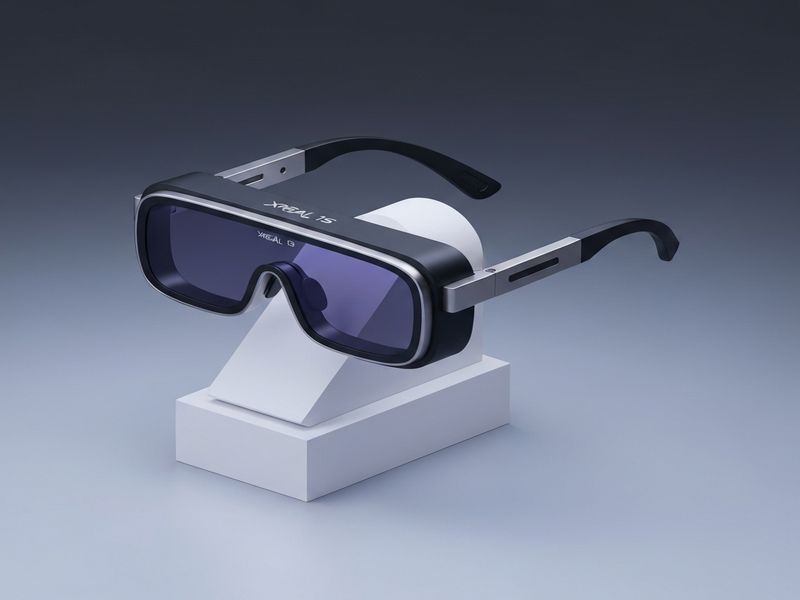
The Xreal 1S AR glasses, unveiled at CES 2026, deliver upgraded optics, native 2D‑to‑3D video conversion, and a $50 price cut, making them the most affordable and feature‑rich entry‑level augmented‑reality wearable on the market today.
Why the Xreal 1S Matters for AR Enthusiasts
At this year’s CES 2026, Xreal announced the Xreal 1S, an evolution of its entry‑level AR glasses line. The device targets tech enthusiasts and early adopters who want a portable, high‑definition visual experience without the bulk of a full‑size headset. By combining a brighter display, a wider field of view, and a groundbreaking 2D‑to‑3D conversion engine, the 1S redefines what “affordable AR” can look like.
For readers following the latest UBOS news, this launch is a clear signal that the AR market is moving toward more accessible hardware, a trend that aligns with UBOS’s own mission to democratize AI‑powered tools for creators and businesses.
Key Specifications & New Features
- Resolution: 1200p Full HD (up from 1080p)
- Brightness: 700 nits (versus 600 nits on the previous model)
- Field of View: 52° horizontal, a modest but noticeable increase from 50°
- Aspect Ratio: 16:10, giving a slightly taller viewport for productivity tasks
- Refresh Rate: 120 Hz, unchanged but still smooth for gaming and video
- 2D‑to‑3D Conversion: Powered by Xreal’s X1 spatial‑computing chip, any 2D video can be rendered in stereoscopic 3D without extra apps.
- Modular Eye Camera: Optional removable camera for POV photos and video.
- Connectivity: Reinforced USB‑C port for reliable tethering to laptops, phones, or consoles.
- Travel Case: New hard‑shell case designed for on‑the‑go protection.
All these upgrades come while the retail price drops to $449, $50 less than the original Xreal One released a year earlier. The combination of higher specs and lower cost makes the 1S a compelling entry point for anyone curious about augmented reality.
Hands‑On Impressions from CES 2026
During the CES showcase, we spent several hours testing the Xreal 1S across three primary use cases: gaming, media consumption, and productivity.
Gaming: A New Dimension for Portable Play
The 2D‑to‑3D engine shines when paired with fast‑moving titles like Mario Kart 8 Deluxe. While the depth effect isn’t as pronounced as a dedicated VR headset, the added sense of space makes racing feel more immersive. The 120 Hz refresh rate ensures fluid motion, and the 700‑nit brightness keeps the image clear even under bright indoor lighting.
Media Consumption: 3D‑ified YouTube & Netflix
Activating the “Real 3D” mode transforms standard YouTube videos into a stereoscopic experience. Panoramic travel videos and car reviews benefit most, offering a subtle pop‑out effect that feels natural. However, not all content translates perfectly—fast‑cut music videos can appear slightly “shaky.” For binge‑watchers, the feature works best in short sessions to avoid eye fatigue.
Productivity: A Portable Second Screen
When connected to a laptop, the 1S acts as a private, high‑resolution monitor. The 16:10 aspect ratio provides extra vertical space, ideal for coding or spreadsheet work. The optional Eye camera lets you capture quick screenshots of your AR view, a handy feature for remote collaboration.
Overall, the device feels lightweight and discreet, though the side profile is still noticeable in public. For most users, the trade‑off between visibility and functionality is acceptable, especially given the price point.
Pricing, Availability, and Market Positioning
The Xreal 1S is available for pre‑order starting today on Xreal’s official website and will ship globally in Q2 2026. At $449, it undercuts many competing AR headsets that sit above $600, positioning it as the most cost‑effective option for consumers who want a true “glass‑type” AR experience.
From a market perspective, the 1S targets three key segments:
- Casual gamers looking for a portable, immersive experience without a full VR rig.
- Remote workers who need a discreet second screen for video calls or multitasking.
- AR hobbyists eager to experiment with 3D video conversion and modular accessories.
For businesses exploring AR‑enabled workflows, the 1S demonstrates how hardware can be both affordable and feature‑rich—a narrative echoed in the Enterprise AI platform by UBOS, which integrates AR visualizations into data dashboards.
Xreal 1S vs. Earlier Xreal Models
| Feature | Xreal One (2025) | Xreal 1S (2026) |
|---|---|---|
| Resolution | 1080p | 1200p |
| Brightness | 600 nits | 700 nits |
| Field of View | 50° | 52° |
| Aspect Ratio | 16:9 | 16:10 |
| 2D‑to‑3D | N/A | Native support |
| Price | $499 | $449 |
The table highlights that the 1S is not a radical redesign but a thoughtful “S‑year” upgrade that improves visual fidelity while lowering the entry barrier. For users of the older Xreal One, the upgrade may feel incremental; however, for newcomers, the 1S sets a new baseline for value.
What the Press Is Saying
Tech outlet The Verge described the 1S as “the most affordable AR glasses that actually feel like a premium product,” emphasizing the seamless 2D‑to‑3D conversion as a differentiator. Their review aligns with our hands‑on experience, noting that the device strikes a balance between price and performance that few competitors achieve.
How UBOS Is Shaping the Future of AR
UBOS’s own AR glasses product page showcases a suite of developer tools that enable creators to build custom overlays for devices like the Xreal 1S. By leveraging the Web app editor on UBOS, developers can rapidly prototype AR experiences without deep hardware expertise.
Our augmented‑reality blog regularly publishes tutorials on integrating AI-driven content—such as the ElevenLabs AI voice integration—into AR wearables, turning static visuals into interactive, voice‑responsive experiences.
For businesses evaluating ROI, the UBOS pricing plans offer scalable options that pair AI analytics with AR visualizations, a synergy that can amplify the impact of devices like the Xreal 1S in enterprise settings.
What’s Next for AR Enthusiasts?
If you’re excited about the Xreal 1S, now is the perfect time to explore complementary tools that enhance its capabilities. Consider pairing the glasses with UBOS’s AI marketing agents to generate real‑time product recommendations, or use the Workflow automation studio to sync your AR view with cloud‑based data pipelines.
Stay updated on the latest AR hardware releases and software integrations by subscribing to About UBOS and checking our UBOS partner program for early‑access opportunities.
Ready to experience the future of augmented reality? Pre‑order the Xreal 1S today and start building immersive experiences with UBOS’s powerful AI platform.