

- Updated: July 11, 2025
- 4 min read
The Innovative Role of AI Chatbots in Enhancing Psychedelic Therapy
AI Chatbots in Psychedelic Therapy: A New Frontier in Mental Health Innovation
In the ever-evolving landscape of mental health care, AI chatbots are emerging as groundbreaking tools, particularly in the realm of psychedelic therapy. These AI-driven systems are not only enhancing therapeutic experiences but are also reshaping how mental health services are delivered. This article delves into the transformative role of AI chatbots in psychedelic therapy, the benefits they offer, the challenges they present, and the ethical considerations they entail.
Introduction to AI Chatbots in Therapy
AI chatbots are software programs designed to simulate human conversation. In the context of therapy, these chatbots are being integrated into treatment plans to provide support, guidance, and interaction with patients. The integration of AI in mental health care is particularly significant in psychedelic therapy, where the therapeutic process often involves altered states of consciousness and requires careful guidance and support.
The Role of AI Chatbots in Psychedelic Therapy
Psychedelic therapy involves the use of psychedelic substances to facilitate therapeutic breakthroughs. AI chatbots can play a crucial role in this process by providing continuous support and monitoring during and after psychedelic sessions. They can help patients navigate their experiences, offering insights and reflections that enhance the therapeutic process.
Benefits of AI Chatbots in Therapy
- 24/7 Availability: AI chatbots are available around the clock, providing support whenever patients need it.
- Cost-Effective: They offer a cost-effective solution for mental health support, reducing the need for constant human intervention.
- Personalized Interaction: AI chatbots can tailor their responses based on individual patient needs, improving the therapeutic experience.
- Data Collection: They can collect valuable data on patient progress, helping therapists tailor their approaches.
Challenges and Ethical Considerations
While AI chatbots offer numerous benefits, they also present challenges and ethical considerations that must be addressed. Data privacy, the potential for bias, and the need for human oversight are critical issues that must be considered when integrating AI into therapy.
Data Privacy Concerns
Data privacy is a significant concern in the use of AI chatbots. Ensuring that patient data is secure and compliant with regulations is paramount. Implementing robust security measures and fostering a culture of transparency can help mitigate these risks.
Addressing Bias in AI
AI systems can inadvertently perpetuate biases present in their training data. It’s essential to ensure that AI chatbots are designed to operate transparently and free from biases that could affect therapeutic outcomes.
Human Oversight and Accountability
Despite their capabilities, AI chatbots should not replace human therapists. They should be used as a supplement to human care, with therapists providing oversight and intervention when necessary. This ensures that patients receive comprehensive and empathetic support.
The Future Outlook of AI Chatbots in Therapy
The future of AI chatbots in therapy is promising. As technology advances, these systems will become more sophisticated, offering even greater capabilities. The integration of AI chatbots in psychedelic therapy could lead to more personalized and effective treatment plans, enhancing patient outcomes.
Expert Opinions on AI in Therapy
Experts in the field of mental health and AI are optimistic about the potential of AI chatbots to revolutionize therapy. They emphasize the importance of ethical considerations and the need for ongoing research to ensure that these tools are used effectively and responsibly.
Embracing Innovation in Mental Health
As mental health care continues to evolve, embracing innovation is crucial. AI chatbots represent a significant step forward in providing accessible, personalized, and effective mental health support. By integrating these tools into therapy, we can enhance the therapeutic process and improve patient outcomes.
For more insights into AI innovations, visit the UBOS homepage and explore their range of AI solutions, including Telegram integration on UBOS and ChatGPT and Telegram integration.
To learn more about the ethical considerations in AI deployment, check out the AI and the autonomous organization article. Additionally, for insights into how AI is transforming various industries, the AI revolution in marketing with UBOS provides valuable perspectives.
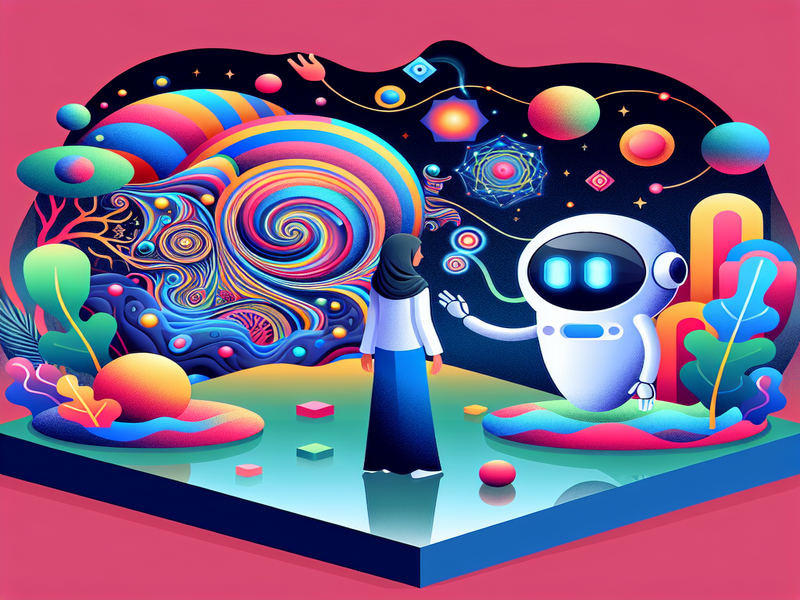
In conclusion, AI chatbots are poised to transform the landscape of psychedelic therapy and mental health care. By addressing challenges and ethical considerations, we can harness the potential of these tools to enhance therapeutic outcomes and support mental well-being. As we move forward, the integration of AI in therapy will continue to open new avenues for innovation and improvement in mental health care.
Andrii Bidochko
CTO UBOS
Andrii Bidochko is an AI entrepreneur and researcher focused on AI agents, reinforcement learning, and autonomous systems. He writes about the technologies shaping the future of machine intelligence, from frontier models and agent architectures to real-world AI applications.