

- Updated: February 5, 2026
- 7 min read
Tesla Door Handles Face Wrongful Death Lawsuit Amid EV Safety Concerns
Tesla is currently facing a wrongful‑death lawsuit alleging that its electronic door handles trapped a driver inside a burning Model Y, highlighting serious concerns about electric‑vehicle safety and prompting a new NHTSA investigation.
Introduction: A Tragic Crash Sparks Legal Action
On October 29, 2025, 20‑year‑old Samuel Tremblett collided with a tree in Easton, Massachusetts while driving a Tesla Model Y. The impact ignited the vehicle, and the driver’s desperate 9‑1‑1 call—“I can’t breathe. It’s on fire. Help. Please. I’m going to die”—became the centerpiece of a original Verge article that detailed the incident. Tremblett’s family has now filed a wrongful‑death suit, accusing Tesla of designing a “dangerously defective” electronic door‑handle system that prevented him from escaping the blaze.
This case adds to a growing list of complaints about Tesla’s flush‑mounted, pull‑to‑open handles—technology marketed for aerodynamic efficiency but increasingly scrutinized for safety shortcomings.
Background: How Tesla’s Electronic Door Handles Work
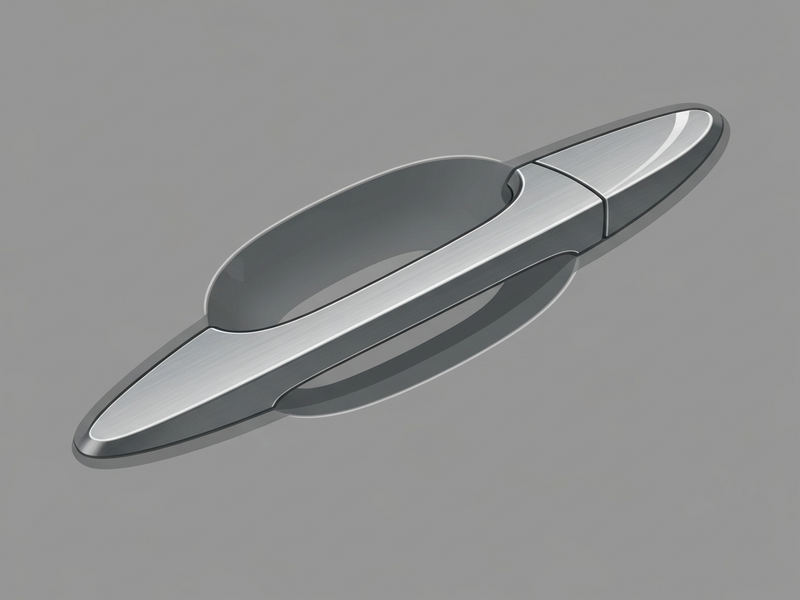
Tesla introduced electronic door handles with the Model S in 2012 and refined them across the Model 3, Model X, and Model Y line‑up. The handles sit recessed in the vehicle’s bodywork and extend outward only when a sensor detects a driver’s hand or a key‑fob proximity. This design reduces drag, improves range, and gives the car a sleek silhouette.
- Electromechanical actuator pulls the handle outward.
- When the vehicle is powered off, the system relies on a low‑voltage battery to keep the handle “ready.”
- A manual release lever is hidden inside the door panel for emergencies, but it requires a specific sequence to engage.
Critics argue that the hidden manual release is not intuitive, especially for children or incapacitated occupants. In several post‑crash investigations, the release mechanism either failed to deploy or was simply unknown to the trapped occupants.
The Samuel Tremblett Incident: A Timeline
Below is a concise timeline of the events leading up to the lawsuit:
- 29 Oct 2025, 3:12 PM: Tremblett’s Model Y veers off Highway 3 and strikes a maple tree.
- 3:13 PM: The impact ruptures the battery pack, igniting a fire that spreads to the cabin within seconds.
- 3:14 PM: Tremblett attempts to open the door; the electronic handle fails to extend.
- 3:15 PM: He calls 9‑1‑1, repeatedly pleading for help while smoke fills the interior.
- 3:18 PM: First responders arrive; the vehicle’s door remains sealed, and the fire intensifies.
- 3:25 PM: The vehicle is extinguished, but Tremblett succumbs to smoke inhalation.
The lawsuit alleges that Tesla’s design “did not provide a reasonable means of egress” and that the company ignored prior complaints about similar incidents.
Legal Claims: Who’s Suing and What They’re Alleging
The complaint was filed in the U.S. District Court for the District of Massachusetts by the estate of Samuel Tremblett, represented by a team of plaintiffs’ attorneys specializing in product liability. Key allegations include:
- Negligence: Tesla allegedly failed to design a safe egress system.
- Gross negligence: The company is accused of ignoring over a dozen prior incidents involving trapped occupants.
- Failure to warn: Tesla allegedly did not provide adequate instructions for the manual release.
- Misrepresentation: The suit cites Elon Musk’s 2018 earnings‑call claim that Tesla is “absolutely hardcore about safety.”
Defendants include Tesla, Inc., its manufacturing subsidiaries, and key engineers responsible for the door‑handle design. The plaintiffs are seeking compensatory damages for wrongful death, punitive damages, and a court‑ordered redesign of the door‑handle system.
NHTSA Investigation and Industry Response
Following the surge of complaints, the National Highway Traffic Safety Administration (NHTSA) opened a formal investigation in early 2025. The agency’s focus includes:
- Frequency of door‑handle failures in crash scenarios.
- Effectiveness of the hidden manual release for children and incapacitated adults.
- Potential design modifications to meet Federal Motor Vehicle Safety Standards (FMVSS).
In parallel, several automakers have begun reviewing their own door‑handle mechanisms. China’s recent ban on electronic handles—citing safety concerns—has intensified global scrutiny.
Tesla’s public response acknowledges the investigation and promises a redesign that “combines the electronic and manual release into a single, intuitive button.” However, critics argue that the company’s history of delayed safety updates undermines confidence.
Expert Commentary: What the Safety Community Is Saying
Automotive safety experts warn that the trend toward “flush” designs can compromise emergency egress. Dr. Lena Ortiz, a professor of vehicle safety at MIT, notes:
“When a vehicle’s primary exit mechanism is hidden behind software, you introduce a single point of failure that can be catastrophic in fire or submersion scenarios.”
Consumer‑advocacy groups have filed over 140 reports with NHTSA since 2018, many describing doors that “won’t open” after a crash. The Tech Law Cases page on UBOS highlights how emerging technologies can outpace existing regulations, creating legal gray zones that plaintiffs’ attorneys are now exploiting.
From a broader perspective, the lawsuit underscores a tension between aerodynamic efficiency and occupant safety—a balance that future EV designs must address.
How AI and Automation Platforms Are Shaping the Future of Automotive Safety
While the legal battle unfolds, technology firms are racing to provide tools that can help manufacturers predict and prevent such failures. The UBOS platform overview showcases a suite of AI‑driven analytics that can simulate crash scenarios and evaluate component reliability in real time.
For startups looking to integrate safety analytics into their EV prototypes, the UBOS for startups program offers low‑cost access to high‑performance compute and pre‑built models, including the Chroma DB integration for rapid data indexing.
SMBs developing aftermarket safety accessories can benefit from the UBOS solutions for SMBs, which include the Workflow automation studio to orchestrate sensor data pipelines.
Enterprises seeking a holistic safety‑first AI strategy can explore the Enterprise AI platform by UBOS. This platform integrates with the OpenAI ChatGPT integration to provide natural‑language explanations of safety test results, making compliance reporting faster and more transparent.
Developers can prototype custom safety dashboards using the Web app editor on UBOS, while the UBOS templates for quick start include pre‑built modules for “Vehicle Incident Reporting” and “Real‑time Alerting.”
Marketing teams can leverage AI marketing agents to communicate safety updates to customers, ensuring that brand messaging aligns with regulatory expectations.
For developers interested in voice‑enabled safety alerts, the ElevenLabs AI voice integration can generate clear, multilingual emergency instructions directly from vehicle telematics.
Finally, partners can join the UBOS partner program to co‑create industry‑standard safety APIs that could one day become part of regulatory frameworks.
Ready‑Made UBOS Templates That Accelerate Safety Solutions
UBOS’s marketplace offers a variety of AI‑powered templates that can be repurposed for automotive safety compliance:
- AI SEO Analyzer – Optimize safety‑related web content for search visibility.
- AI Article Copywriter – Generate clear incident‑report narratives.
- AI Video Generator – Produce instructional videos on emergency egress.
- AI Audio Transcription and Analysis – Convert 9‑1‑1 call recordings into actionable data.
- AI Survey Generator – Collect driver feedback on door‑handle usability.
These templates can be combined with the Telegram integration on UBOS to push real‑time alerts to service teams, or with the ChatGPT and Telegram integration for AI‑assisted triage of incident reports.
Conclusion: A Pivotal Moment for EV Safety and Legal Accountability
The wrongful‑death lawsuit filed by Samuel Tremblett’s family is more than a single tragedy; it is a catalyst that could reshape how automakers design emergency egress systems. As NHTSA deepens its investigation and regulators worldwide reconsider electronic‑handle policies, Tesla and its competitors must balance sleek aesthetics with uncompromising safety.
For engineers, legal professionals, and tech‑savvy enthusiasts, the case underscores the importance of integrating robust AI‑driven safety analytics early in the design process. Platforms like UBOS homepage provide the tools to simulate, monitor, and remediate potential failures before they become courtroom battles.
Stay informed, stay safe, and consider leveraging AI solutions to future‑proof your vehicle designs. Explore UBOS’s AI‑powered resources today and be part of the next generation of safer, smarter transportation.