

- Updated: January 18, 2026
- 6 min read
Probiotic Mining Startup Tackles Global Copper Shortage with Innovative Tech
Probiotic mining—a biotech‑driven method that feeds beneficial microbes with a custom prebiotic cocktail—can increase copper recovery rates by 20‑30% and may be a key tool for easing the looming global copper shortage.
Probiotic Mining for Copper: How a Startup Is Turning Microbes Into a Climate‑Critical Solution
Why Copper Is the New Bottleneck
Global demand for copper is projected to outpace supply by up to 25 % by 2040, driven by data‑center expansion, electric‑vehicle production, and renewable‑energy infrastructure. The copper shortage threatens to raise prices, delay clean‑energy projects, and increase the carbon footprint of mining operations that must process larger ore volumes.
Traditional heap‑leach methods typically extract only 30‑60 % of the copper contained in ore, leaving a substantial amount of valuable metal in tailings. This inefficiency not only inflates costs but also generates more waste, amplifying environmental impacts.
Enter Transition Metal Solutions: The Startup Behind Probiotic Mining
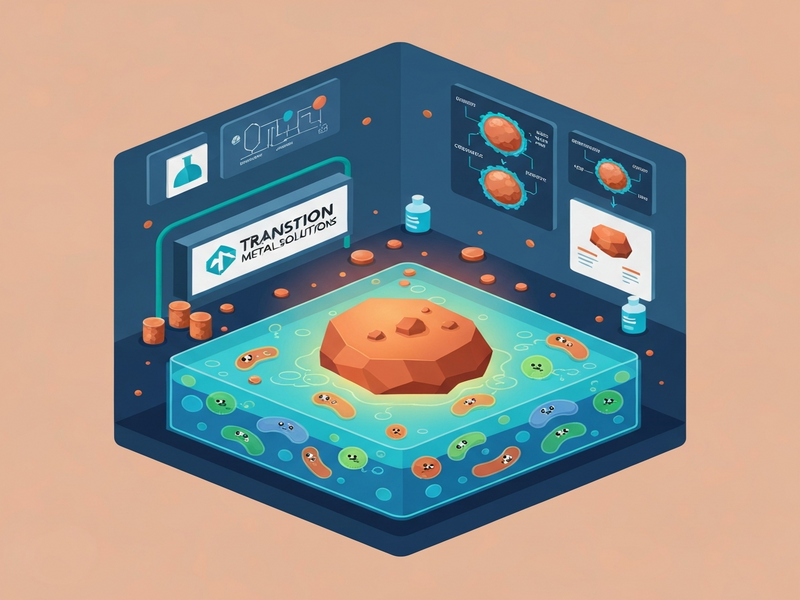
Transition Metal Solutions (TMS) is a tech‑innovation startup that has engineered a proprietary “prebiotic cocktail” to super‑charge the native microbial communities living in copper ore heaps. Rather than isolating a single bacterial strain, TMS’s approach nurtures the entire microbial ecosystem, nudging it toward a higher‑functioning state that dissolves copper more efficiently.
The company’s CEO, Sasha Milshteyn, explains: “Microbes are the unsung workhorses of copper leaching. By feeding them the right nutrients, we can coax the whole community to work harder, not just a handful of lab‑grown strains.”
“We’re not adding a probiotic pill; we’re providing a prebiotic environment that lets the native microbes thrive and extract more copper.” – Sasha Milshteyn, Co‑founder & CEO, Transition Metal Solutions
Funding the Future: $6 Million Seed Round
To accelerate lab validation and field trials, TMS closed a $6 million seed round led by Transition Ventures, with participation from Climate Capital, Dolby Family Ventures, and several other impact‑focused investors. The capital will fund:
- Scale‑up of the prebiotic formulation for pilot‑scale heap tests.
- Third‑party metallurgy validation to prove efficacy to the mining industry.
- Data‑driven customization of the cocktail for different ore bodies.
How the Prebiotic Cocktail Works
The cocktail consists of low‑cost, inorganic compounds—such as iron sulfates and phosphate salts—that are already present at many mining sites. When added to a heap leach, these compounds:
- Raise the pH slightly, creating a more hospitable environment for a broader range of microbes.
- Supply essential nutrients that stimulate growth of copper‑solubilizing bacteria.
- Suppress competing, non‑productive microbial strains, effectively “re‑balancing” the community.
In controlled laboratory tests, TMS reported copper extraction rates climbing from 60 % to 90 % of the total copper in the ore—a dramatic improvement over conventional methods.
Potential Environmental and Economic Impact
If the technology scales, the benefits could be multi‑fold:
- Reduced waste: Higher extraction means less tailings, lowering the risk of water contamination and land disturbance.
- Lower energy use: Extracting more copper per ton of ore reduces the need for additional mining and processing, cutting greenhouse‑gas emissions.
- Cost savings: Mining companies could improve margins by recovering more metal from existing operations.
- Supply‑chain resilience: Boosted output helps mitigate the projected copper shortage, supporting the rollout of EVs and renewable‑energy projects.
Why This Matters for Sustainable Mining
The mining sector is under increasing pressure to adopt sustainable mining practices. Probiotic mining aligns with ESG goals by:
- Minimizing the volume of waste rock and tailings.
- Lowering the carbon intensity of metal production.
- Utilizing naturally occurring microbes rather than synthetic chemicals.
As investors and regulators demand greener operations, technologies like TMS’s prebiotic cocktail could become a differentiator for forward‑looking mining firms.
The Role of AI and Data Platforms in Accelerating Probiotic Mining
Scaling a biologically complex solution requires robust data pipelines, predictive modeling, and rapid experimentation—areas where modern AI platforms excel. Companies such as UBOS provide an Enterprise AI platform by UBOS that can:
- Ingest sensor data from heap leach sites in real time.
- Apply machine‑learning models to predict optimal nutrient dosages.
- Automate workflow steps via the Workflow automation studio, reducing manual trial‑and‑error.
For a startup like Transition Metal Solutions, leveraging such a platform can shorten the time from lab proof‑of‑concept to commercial deployment.
How UBOS Helps Startups Build AI‑Powered Solutions Fast
The UBOS for startups program offers low‑code tools, pre‑built UBOS templates for quick start, and a Web app editor on UBOS that let founders prototype dashboards, analytics, and control panels without deep engineering effort.
Some relevant templates that could accelerate TMS’s go‑to‑market include:
- AI SEO Analyzer – to optimize technical documentation for regulators and investors.
- AI Article Copywriter – to generate clear, compliant content for stakeholder outreach.
- AI Video Generator – to create visual explainers of the probiotic process for training and marketing.
- AI Chatbot template – to field technical questions from mining engineers in real time.
- AI Image Generator – to produce custom graphics for reports and presentations.
- AI Email Marketing – to run targeted outreach campaigns to investors and industry partners.
Strategic Partnerships and Market Adoption
TMS plans to partner with a leading third‑party metallurgy lab to validate the technology under industry‑standard protocols. Successful validation will open doors to:
- Joint pilots with major copper producers in Chile, Zambia, and the United States.
- Licensing agreements that embed the prebiotic cocktail into existing heap‑leach contracts.
- Collaboration with ESG rating agencies to certify the environmental benefits.
What Investors Should Watch
For tech‑savvy investors, the key metrics to monitor include:
- Extraction efficiency gains in pilot trials (target: ≥ 50 % copper recovery).
- Cost per ton of prebiotic additive versus traditional chemicals.
- Regulatory approvals and ESG certifications obtained.
- Revenue pipeline from licensing deals and service contracts.
The UBOS partner program can also serve as a channel for technology integrators looking to embed AI‑driven monitoring into TMS’s solution stack.
Conclusion: A Sustainable Path Forward for Copper
Probiotic mining represents a convergence of microbiology, chemistry, and AI that could reshape the copper supply chain. By boosting extraction efficiency, reducing waste, and lowering emissions, Transition Metal Solutions’ prebiotic cocktail offers a tangible answer to the looming copper shortage while aligning with global sustainability goals.
For stakeholders—whether you are an investor, a mining executive, or a sustainability advocate—the technology warrants close attention. The next wave of critical‑mineral production may well be powered not by heavy machinery alone, but by the invisible work of engineered microbial communities.
Stay informed about emerging AI‑enabled mining innovations by exploring the UBOS portfolio examples and reviewing our UBOS pricing plans for scalable solutions.
Further Reading
The original announcement and detailed interview with Sasha Milshteyn can be found in the TechCrunch article.
For a broader view of how AI is transforming critical‑mineral extraction, see our AI in mining feature and the latest industry news on critical minerals.