

- Updated: June 24, 2025
- 3 min read
Federal Judge Rules in Favor of Anthropic: Legal Implications for AI and Copyright
AI Training and Copyright: Unpacking the Legal Implications of the Anthropic Lawsuit
In a landmark decision that could reshape the intersection of technology and creativity, a federal judge has ruled in favor of Anthropic, allowing the tech company to train AI models on published books without obtaining authors’ permission. This ruling, grounded in the fair use doctrine, has sparked widespread debate over its potential implications for the future of AI training and copyright law.
Understanding the Legal Case
The legal battle between Anthropic and a coalition of authors and creatives has been closely watched by tech enthusiasts and legal experts alike. The case centers on Anthropic’s use of copyrighted books to train its AI models, a practice that authors argue infringes on their intellectual property rights. However, the judge’s decision to side with Anthropic underscores the complexities of applying traditional copyright laws to emerging technologies.
Details of the Judge’s Decision
The judge’s ruling was based on the fair use doctrine, a legal principle that allows limited use of copyrighted material without permission from the rights holder, under certain conditions. In this case, the judge determined that Anthropic’s use of copyrighted books for AI training constituted a transformative use, as it involved creating new insights and functionalities rather than merely replicating the original works.
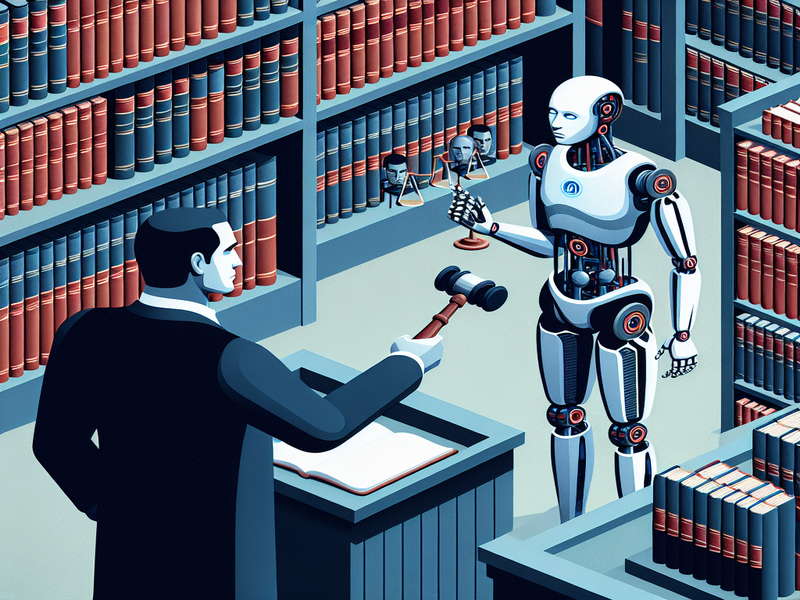
Implications for AI and Creatives
This decision has far-reaching implications for both the tech industry and creative communities. For tech companies, the ruling provides a legal framework to leverage copyrighted materials for AI training, potentially accelerating innovation and development in the field. However, for authors and creatives, the decision raises concerns about the devaluation of their work and the erosion of their rights.
Moreover, the ruling could set a precedent that favors technology companies in future copyright disputes, potentially impacting how AI models are trained and developed. This is particularly significant for companies exploring OpenAI ChatGPT integration and other advanced AI applications.
Ongoing Trials and Future Outlook
While the judge’s decision marks a significant victory for Anthropic, the legal battle is far from over. The ongoing trial concerning Anthropic’s use of pirated books to create a ‘central library’ poses additional challenges and could influence future rulings. As the case progresses, it will be crucial to monitor how the courts balance the interests of tech companies and creatives.
For tech professionals and businesses, understanding the legal landscape is essential to navigating the complexities of AI training. Companies looking to integrate AI into their operations can benefit from platforms like UBOS platform overview, which offer comprehensive solutions for AI development and deployment.
Conclusion: Navigating the Intersection of Technology and Creativity
The Anthropic lawsuit highlights the evolving relationship between technology and creativity, underscoring the need for clear legal guidelines in the age of AI. As the tech industry continues to innovate, it is imperative to ensure that the rights of creatives are respected and protected.
For those interested in exploring the potential of AI while navigating its legal implications, resources such as AI marketing agents and Comprehensive guide to API design can provide valuable insights and strategies.
As we move forward, it is clear that the intersection of AI and copyright law will continue to be a dynamic and contested space. By staying informed and engaged, tech enthusiasts and professionals can help shape the future of AI in a way that balances innovation with respect for creative rights.
Andrii Bidochko
CTO UBOS
Andrii Bidochko is an AI entrepreneur and researcher focused on AI agents, reinforcement learning, and autonomous systems. He writes about the technologies shaping the future of machine intelligence, from frontier models and agent architectures to real-world AI applications.