

- Updated: February 28, 2026
- 2 min read
Balancing AI Assistance: How to Boost Productivity Without Eroding Developer Skills
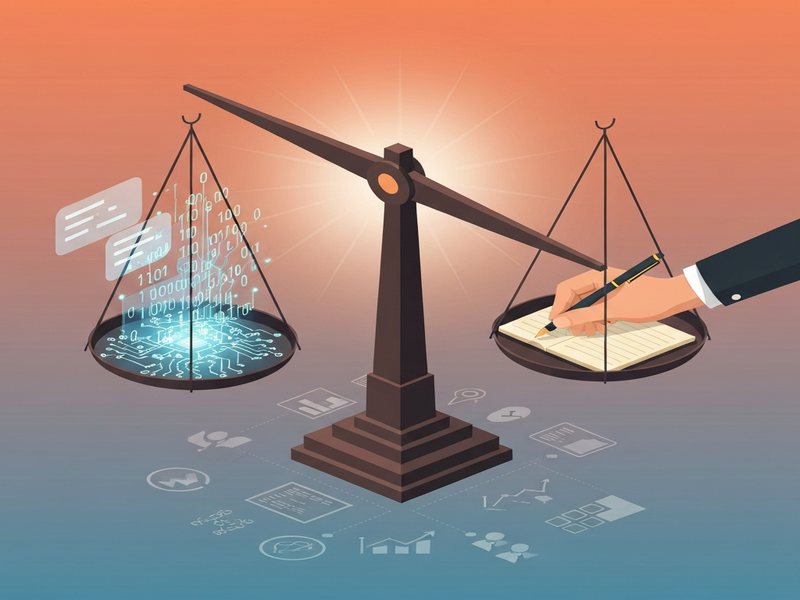
Artificial intelligence is reshaping software development, promising faster delivery and fewer bugs. Yet, as the original analysis points out, unchecked AI use can create hidden costs: cognitive debt, skill erosion, and a broken seniority pipeline.
Our deep‑dive highlights three core findings:
- Productivity gains are real, but they come with a “review paradox” – developers rely on AI‑generated code and spend less time reviewing, which can let subtle bugs slip through.
- Long‑term skill decay emerges when teams stop writing code from scratch, weakening problem‑solving abilities and reducing mentorship opportunities for junior engineers.
- Organizational impact includes a shift in hiring expectations and the need for new governance models to keep AI assistance in check.
To strike the right balance, we recommend a three‑step framework:
- Define clear AI usage policies – limit AI to specific tasks (e.g., boilerplate generation) and mandate peer review for all AI‑produced snippets.
- Invest in continuous learning – pair AI tools with regular coding challenges, pair‑programming sessions, and knowledge‑sharing workshops.
- Monitor metrics – track both velocity and code‑quality indicators (e.g., defect density) to detect when AI assistance starts to degrade performance.
Implementing these steps helps organizations reap AI’s speed benefits while preserving the critical thinking and craftsmanship that keep software robust.
For a practical guide on integrating AI responsibly, explore our AI Implementation Playbook. Learn how to set up governance, train teams, and measure impact without sacrificing quality.
Read more about the hidden costs of AI‑assisted coding and our recommended balance in the full article linked above.
Andrii Bidochko
CTO UBOS
Andrii Bidochko is an AI entrepreneur and researcher focused on AI agents, reinforcement learning, and autonomous systems. He writes about the technologies shaping the future of machine intelligence, from frontier models and agent architectures to real-world AI applications.