

- Updated: March 26, 2026
- 6 min read
Apple iOS 26.4 Adds Mandatory UK Age‑Verification for Users 18+
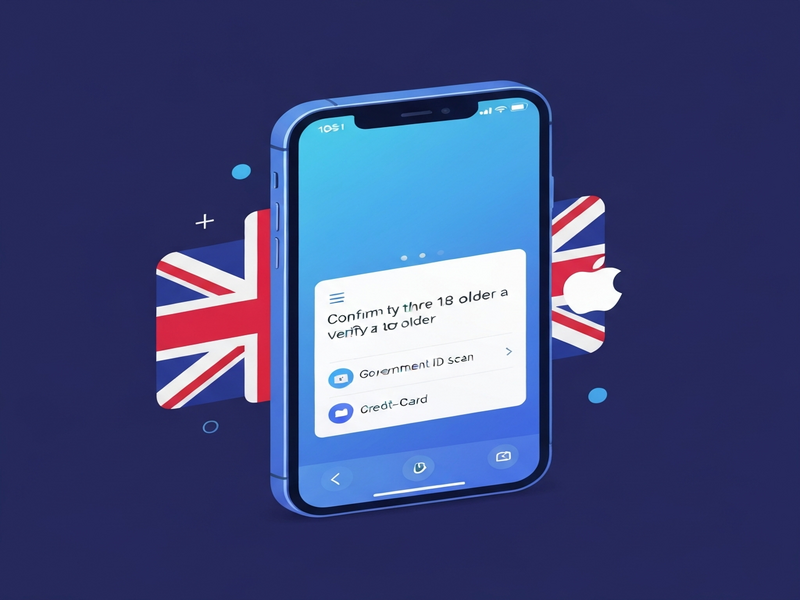
Apple iOS 26.4 now requires every UK user to verify they are over 18 before accessing certain services, using a scanned ID or a linked payment method.
What the iOS 26.4 Age‑Verification Rollout Means for UK Users
On 25 March 2026 Apple released iOS 26.4, the latest major update for iPhone and iPad devices. Among the new features—AI‑generated playlists, concert discovery tools, and fresh emoji—Apple introduced a mandatory age‑verification step for users in the United Kingdom. The change aligns the tech giant with the UK’s Online Safety Act, which obliges platforms that host potentially harmful content to confirm a user’s age before allowing access to “certain services or features.”
For parents, developers, and privacy‑conscious adults, this shift raises questions about how verification works, what data Apple collects, and how the move impacts both child safety and personal privacy.
How Apple Verifies Age in iOS 26.4
Apple offers three primary pathways to confirm that a user is at least 18 years old:
- ID Scan: Users can take a photo of a government‑issued ID (passport, driver’s licence, or national ID). Apple’s on‑device AI extracts the birthdate and validates the document without sending raw images to the cloud.
- Credit‑Card Check: If a payment method is already linked to the Apple ID, Apple performs a lightweight verification that the card is issued to an adult. No transaction is charged.
- Existing Account Data: For existing Apple accounts, Apple may infer age from a previously verified payment method or from the user’s date of birth stored in the account profile.
When verification fails or a user declines, Apple automatically activates its built‑in child‑safety suite. This suite blocks adult‑rated web content, blurs nudity in Messages, and restricts in‑app purchases that require age confirmation.
Why the UK Government Demanded Age Checks
The UK’s Online Safety Bill (commonly referred to as the Online Safety Act) mandates that platforms hosting user‑generated content must implement robust age‑verification mechanisms. The goal is to protect children from exposure to extremist material, sexual content, and other harmful material while preserving freedom of expression for adults.
Apple’s approach differs from many social‑media platforms that rely on third‑party verification services. By keeping the verification process on‑device, Apple reduces the risk of data leakage and aligns with its broader privacy narrative.
Regulators, Developers, and Users React
Regulatory bodies: Ofcom praised the move as “a real win for children and families,” noting that Apple’s solution is technically sophisticated and respects user privacy.
Developers: App creators expressed mixed feelings. While many welcome a safer ecosystem, some worry about friction in the user journey. A developer from a popular gaming app said, “The extra step could deter casual players, but we understand the responsibility.”
Parents: Early surveys on parenting forums show a majority of UK parents feel reassured that Apple is taking proactive steps. One parent wrote, “I’m glad Apple won’t let my teen stumble onto adult content without a check.”
Privacy advocates: Groups such as Privacy International highlighted the importance of Apple’s on‑device verification, calling it “a model for privacy‑first compliance.” However, they urged Apple to publish a transparent audit of the AI models used for ID extraction.
Privacy Implications: What Data Does Apple Store?
Apple’s privacy policy states that ID images are processed locally and are never uploaded to Apple servers. Only the extracted birthdate and a verification token are stored, encrypted, and tied to the user’s Apple ID. The token expires after 30 days, prompting a re‑verification if the user’s age status changes.
For users who opt to verify via credit card, Apple stores only the last four digits of the card number and a hashed token. No full card details are retained.
These practices reinforce Apple’s claim of “privacy by design,” but they also raise a new question: could the verification token be leveraged by third‑party apps to infer age without explicit consent? Apple’s developer guidelines now require apps to request explicit permission before accessing the token, adding an extra layer of protection.
How Child Safety Features Are Strengthened
When a user fails verification, iOS 26.4 automatically enables a suite of child‑safety controls:
- Web content filters that block adult‑rated sites.
- Message blurring for images containing nudity.
- Restriction of in‑app purchases that require age confirmation.
- Automatic enrollment in UBOS partner program‑compatible parental‑control apps for deeper monitoring.
These safeguards are especially valuable for families that rely on Apple’s ecosystem as the primary gateway to digital media.
What This Means for SaaS Companies and AI‑Driven Platforms
For SaaS providers building on Apple’s ecosystem, the age‑verification requirement introduces both a compliance hurdle and an opportunity to differentiate through privacy‑centric design.
UBOS, for example, offers a suite of AI‑powered tools that can be integrated into age‑verified workflows without compromising user data. The OpenAI ChatGPT integration can power conversational assistants that respect the verification token, while the Chroma DB integration provides secure vector storage for user‑generated content.
Moreover, the Workflow automation studio lets developers create conditional flows—e.g., “If age ≥ 18, unlock premium feature; else, show parental‑consent screen.” This aligns perfectly with Apple’s new policy and demonstrates how AI can simplify compliance.
Helpful UBOS Resources for Building Age‑Aware Apps
Developers looking to adapt quickly can leverage the following UBOS assets:
- UBOS templates for quick start – pre‑configured UI components for age‑verification screens.
- AI Article Copywriter – generate privacy‑policy text that reflects Apple’s verification flow.
- AI SEO Analyzer – ensure your app store listing complies with UK regulations.
- GPT‑Powered Telegram Bot – provide support channels that respect age‑verification status.
- AI Chatbot template – embed a help‑desk bot that can answer age‑related queries without exposing personal data.
Industry Ripple Effects: Will Other Platforms Follow?
Apple’s decision could set a precedent for other major OS providers. Google’s Android ecosystem already supports age‑verification via Google Play, but the enforcement has been inconsistent. With Apple’s high‑visibility rollout, regulators may pressure Google, Microsoft, and emerging platforms to adopt similarly rigorous, privacy‑first verification mechanisms.
In the meantime, AI‑driven compliance tools—like the AI marketing agents offered by UBOS—are poised to help brands navigate a patchwork of regional regulations without building bespoke solutions from scratch.
Conclusion
Apple’s iOS 26.4 age‑verification requirement marks a significant step toward safeguarding children online while preserving user privacy through on‑device processing. The move satisfies UK regulatory demands, sparks debate among developers, and opens a window for AI‑powered compliance platforms like UBOS to add value.
For a deeper dive into the original announcement, read the original news article. Stay informed, stay secure, and leverage the right tools to turn compliance into a competitive advantage.
Andrii Bidochko
CTO UBOS
Andrii Bidochko is an AI entrepreneur and researcher focused on AI agents, reinforcement learning, and autonomous systems. He writes about the technologies shaping the future of machine intelligence, from frontier models and agent architectures to real-world AI applications.