

- Updated: May 21, 2025
- 4 min read
AI Voice Cloning: Navigating Privacy Concerns and Ethical Implications
AI-Generated Content: Navigating the Ethical and Regulatory Challenges
In the rapidly evolving world of artificial intelligence, the creation and dissemination of AI-generated content have become hot-button issues. As AI technologies advance, their ability to mimic human voices and produce realistic content has raised significant concerns about privacy, ethics, and platform responsibility. A recent incident involving the unauthorized use of video game creator Mark Brown’s voice through AI on YouTube has brought these issues to the forefront.
Unauthorized Use of Mark Brown’s Voice: A Case Study
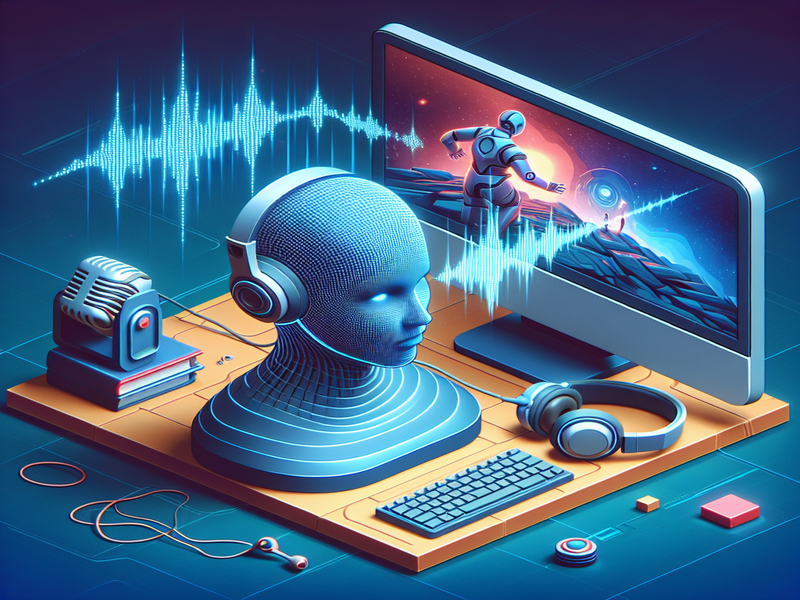
The case of Mark Brown serves as a cautionary tale about the potential misuse of AI technologies. Brown, a well-known figure in the gaming community, recently discovered that his voice had been replicated and used without his consent in AI-generated content on YouTube. This incident is not isolated but part of a growing trend where AI is used to create content that can deceive and manipulate audiences.
YouTube’s Policies and Platform Responsibility
YouTube, as a leading platform for content sharing, has a responsibility to address the challenges posed by AI-generated content. The platform has policies in place to manage and moderate content, but the rapid pace of AI development often outstrips the ability of these policies to keep up. A YouTube spokesperson has acknowledged the challenges and emphasized the platform’s commitment to refining its policies to better address AI-related issues.
To better understand YouTube’s stance, it is crucial to examine its content moderation strategies. The platform employs a combination of automated systems and human reviewers to identify and remove content that violates its policies. However, the sophistication of AI-generated content poses unique challenges, as it can often evade detection by both automated and human reviewers.
Ethical Implications and Challenges for Regulators
The ethical implications of AI-generated content extend beyond individual cases like that of Mark Brown. They raise broader questions about the role of AI in society and the responsibilities of those who develop and deploy these technologies. Regulators face the daunting task of crafting policies that balance innovation with the protection of individual rights.
One of the primary ethical concerns is the potential for AI-generated content to be used in malicious ways, such as spreading misinformation or conducting fraud. This misuse of technology can have far-reaching consequences, affecting public trust in media and institutions. Regulators must navigate these complex issues to create frameworks that encourage ethical AI development while safeguarding public interests.
Public Perception of AI-Related Privacy Issues
Public perception of AI and digital privacy is evolving as more people become aware of the potential risks associated with AI technologies. The unauthorized use of Mark Brown’s voice has sparked discussions about privacy rights and the need for stronger protections against AI-driven invasions of privacy.
Consumers are increasingly concerned about how their personal data and digital likenesses are used by AI systems. This growing awareness is driving demand for greater transparency and accountability from companies that develop and deploy AI technologies. As a result, businesses are being encouraged to adopt best practices for data protection and privacy to maintain consumer trust.
Conclusion: A Call to Action and Future Outlook
The case of Mark Brown highlights the urgent need for action in addressing the challenges posed by AI-generated content. As AI technologies continue to advance, it is crucial for platforms like YouTube, regulators, and the public to work together to create a balanced approach that fosters innovation while protecting individual rights.
Looking ahead, there is a need for ongoing dialogue and collaboration among stakeholders to develop effective solutions to the ethical and regulatory challenges posed by AI. By fostering a culture of transparency and accountability, we can harness the potential of AI technologies to drive positive change while safeguarding the rights and privacy of individuals.
For more insights on AI and its impact on various industries, explore the OpenAI ChatGPT integration and learn how AI marketing agents are revolutionizing business strategies. Additionally, discover how Enterprise AI platform by UBOS can empower organizations to leverage AI effectively.
For further reading on the ethical implications of AI, visit the original news article here.
Andrii Bidochko
CTO UBOS
Andrii Bidochko is an AI entrepreneur and researcher focused on AI agents, reinforcement learning, and autonomous systems. He writes about the technologies shaping the future of machine intelligence, from frontier models and agent architectures to real-world AI applications.