

- Updated: March 26, 2026
- 5 min read
Live Nation‑Ticketmaster Antitrust Lawsuit: DOJ Settlement Shakes Up the Ticketing Industry
The Justice Department’s surprise settlement with Live Nation ends the federal antitrust case but leaves state lawsuits alive, reshaping the ticketing industry and setting a new precedent for how monopoly claims are handled in entertainment.
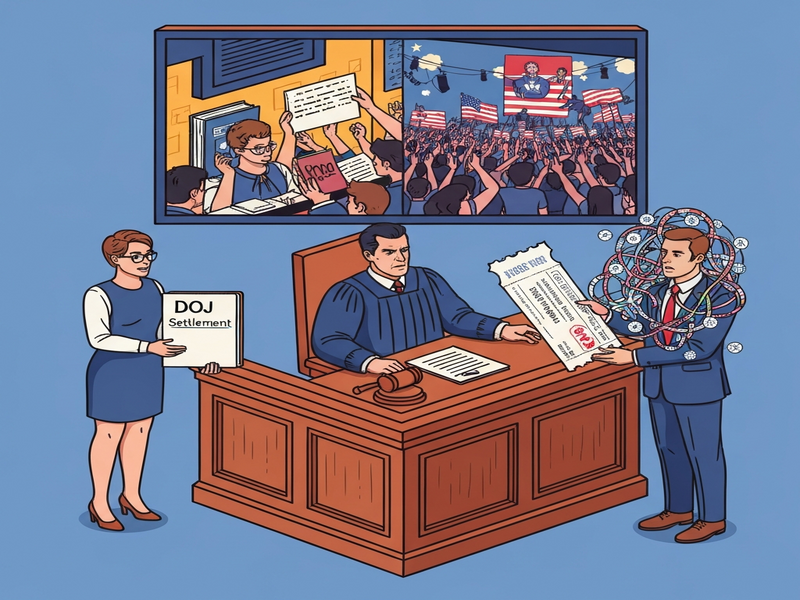
Why the Live Nation‑Ticketmaster lawsuit matters now
In March 2026, the U.S. Department of Justice (DOJ) abruptly settled its antitrust lawsuit against Live Nation, the parent company of Ticketmaster, after a high‑profile trial that captured the attention of fans, lawmakers, and tech‑savvy observers alike. While the settlement stops the federal government from pursuing a breakup, dozens of state attorneys general continue to press their own claims, keeping the legal fight very much alive.
For anyone following legal news or the entertainment industry, the case offers a rare glimpse into how political pressure, corporate lobbying, and consumer backlash intersect in the modern marketplace.
Summary of the Live Nation‑Ticketmaster antitrust lawsuit
The DOJ’s 2024 lawsuit alleged that Live Nation used its ownership of Ticketmaster, a network of venues, and a promotion arm to create a ticketing monopoly. The government argued that the company’s “vertical integration” forced artists, promoters, and fans into a single, overpriced ecosystem.
Key allegations
- Artificially inflating ticket fees through exclusive contracts.
- Blocking competing ticket platforms from accessing primary sales data.
- Bundling venue rentals with ticketing services to lock out rivals.
- Using market dominance to dictate resale pricing and limit consumer choice.
Current status of the case
After a week of testimony, the DOJ announced a settlement that includes:
- Enhanced data‑sharing requirements for Ticketmaster.
- A pledge to improve ticket‑sale transparency.
- No breakup of Live Nation’s business units.
The settlement was signed under the original Verge article, which highlighted the political undercurrents that led to the abrupt resolution.
Context of the DOJ settlement and political background
The lawsuit began under the Biden administration, which signaled a strong stance against monopolistic practices in tech and entertainment. However, the 2025 transition to a Trump‑led administration brought a shift in antitrust priorities.
Why did Trump intervene? According to insiders, the former president’s team pressured the DOJ to avoid a protracted trial that could have disrupted major concert tours and jeopardized political goodwill with the music industry—a sector that has historically funded campaign contributions.
The surprise factor
The settlement surprised many because:
- It came just days after DOJ antitrust chief Gail Slater was removed from her post.
- It offered only modest concessions, far short of the breakup many experts expected.
- It left the bulk of the case to state attorneys general, effectively decentralizing enforcement.
The political backdrop also includes ongoing debates about the role of the Federal Trade Commission (FTC) and the influence of lobbyists from the live‑event sector. As About UBOS notes, understanding the intersection of policy and technology is essential for any modern enterprise.
Implications for the ticketing industry and consumers
The settlement reshapes the competitive landscape in several ways:
- Increased scrutiny: State regulators are now the primary watchdogs, meaning future lawsuits may be filed in multiple jurisdictions simultaneously.
- Potential for new entrants: The data‑sharing clause could lower barriers for startups that want to build alternative ticketing platforms.
- Consumer transparency: Mandatory disclosures about fees and resale policies aim to reduce the “hidden‑cost” surprise that fans often experience.
- Pricing pressure: While the settlement does not cap fees, it creates a benchmark that competitors can use to argue for lower prices.
For tech‑savvy readers, the case also highlights how AI‑driven analytics can be leveraged to monitor market behavior. Platforms like the Enterprise AI platform by UBOS enable real‑time tracking of ticket pricing trends, helping both regulators and businesses stay ahead of anti‑competitive practices.
Paraphrased key quotes from the original article
“The settlement feels like a ‘velvet hammer’—soft enough to avoid a breakup but firm enough to keep the DOJ’s finger on the pulse of Live Nation’s market power.” – Nilay Patel, The Verge
“Trump’s administration gave Live Nation the ‘gift of a lifetime,’ effectively allowing the company to continue its dominance while appearing to address consumer concerns.” – Lauren Feiner, The Verge
These statements underscore the political calculus behind the settlement and the lingering tension between consumer advocacy groups and powerful entertainment conglomerates.
What you can do next
If you’re a startup or SMB looking to navigate the evolving ticketing landscape, consider leveraging AI‑powered tools that can automate compliance monitoring and market analysis. The Workflow automation studio lets you set up alerts for fee changes, while the Web app editor on UBOS helps you prototype alternative ticketing solutions without deep coding expertise.
Ready to explore how AI can give you a competitive edge? Visit the UBOS homepage for a free trial, or dive into our UBOS templates for quick start to launch a ticket‑management app in days.
Stay informed, stay compliant, and stay ahead of the curve—because the next chapter of the Live Nation saga is still being written.
Andrii Bidochko
CTO UBOS
Andrii Bidochko is an AI entrepreneur and researcher focused on AI agents, reinforcement learning, and autonomous systems. He writes about the technologies shaping the future of machine intelligence, from frontier models and agent architectures to real-world AI applications.