

- Updated: March 25, 2026
- 5 min read
Building a Vertical SaaS for Pest Control: From Technician to Startup Founder
Building a vertical SaaS for pest control is possible by first working as a field technician to master licensing, operations, and customer pain points, then using an AI‑first low‑code platform such as UBOS to rapidly prototype, automate workflows, and launch a market‑ready solution.
From Technician to Founder: How I Built a Vertical SaaS for Pest Control
When I swapped my consulting desk for a pest‑control truck, I didn’t just chase a paycheck—I chased a data‑rich, high‑margin niche that most software vendors overlook. In just 21 days I closed $30 k ARR, proved the market, and decided to launch a dedicated vertical SaaS. This article walks you through every gritty step, from licensing hurdles to the moment I chose a modern AI platform to scale the business.
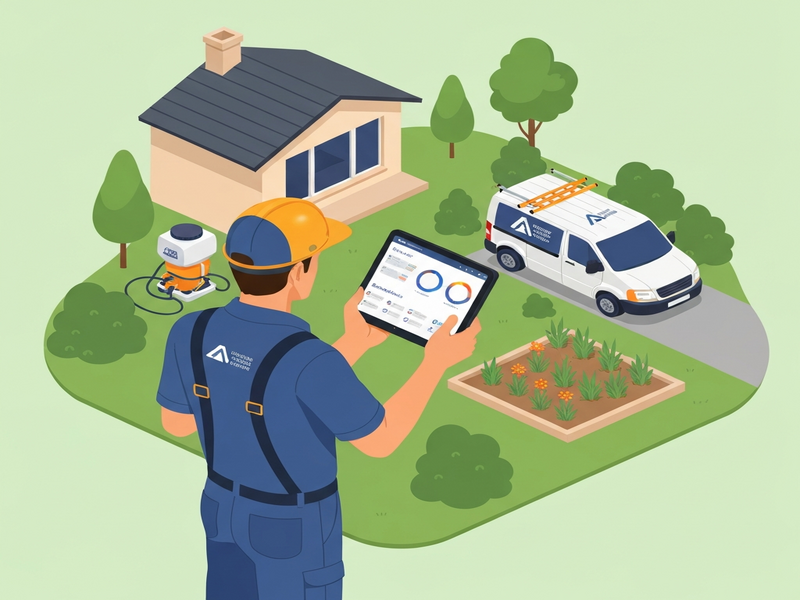
Why a GTM Consultant Turned Into a Pest‑Control Technician
After years of guiding traditional manufacturers through go‑to‑market (GTM) strategies, I noticed a troubling trend: companies in fragmented, regulated industries—plumbing, HVAC, pest control—were increasingly reluctant to grant ride‑alongs or deep‑dive interviews. Their sales pipelines were clogged, and they were turning to “self‑build” software solutions that rarely fit the field reality.
My family’s plumbing shop taught me that hands‑on experience beats any white‑paper. I wanted proof, not theory. So I answered a single question: What would happen if I actually became a pest‑control tech?
Licensing in 13 Days: The Fastest Record I Could Find
Getting a pest‑control license is not a formality. It involves:
- Studying state‑mandated pesticide safety manuals.
- Completing a proctored exam.
- Logging supervised truck hours with controlled products.
Most firms spend 2–3 months and thousands of dollars on onboarding. I built a custom GPT‑powered study assistant from the same books the company used, crammed the material, and passed the exam in 13 days—a company record. The training manager admitted he was uneasy; the AI could replace a quarter of his role.
What the Field Taught Me About Software Gaps
Inside the truck I discovered three recurring pain points that any vertical SaaS must solve:
- Fragmented data entry. Technicians juggle 10+ apps on a single phone, many of which never sync.
- Opaque pricing. Quote generation requires multiple signatures and manual spreadsheet work.
- Compliance blind spots. Real‑time tracking of pesticide usage and safety logs is either missing or buried in legacy Salesforce customizations.
These insights became the blueprint for the product roadmap.
From Truck to Boardroom: $30 k ARR in 21 Days
Within my first week I identified a vacant retail space in a shopping center that needed a comprehensive pest‑control contract. Using a simple outbound workflow I built on a spreadsheet, I booked a site visit, performed a quick audit, and closed a $24 k annual contract. A few smaller upsells to existing clients pushed total ARR to $30 k in just three weeks.
“The internal quoting process almost lost me the deal—multiple signatures and a corporate account creation step added friction no customer wants.” – My own field notes
This early validation proved two things:
- There is a willingness to pay for streamlined, tech‑enabled services.
- The existing software stack is a barrier to scaling revenue.
Why I Chose an AI‑First Low‑Code Platform
Traditional SaaS development would have required months of backend engineering, UI design, and compliance testing. Instead, I turned to UBOS platform overview, an Enterprise AI platform by UBOS that offers:
- Pre‑built OpenAI ChatGPT integration for intelligent ticket routing.
- A Workflow automation studio that lets you model licensing, inspection, and invoicing processes without writing code.
- Native Telegram integration on UBOS for real‑time field alerts.
- Built‑in Chroma DB integration for fast vector search of pest‑identification images.
Within two weeks I assembled a minimum viable product (MVP) that included:
- Customer portal with AI‑driven scheduling.
- Automated compliance logs stored in Chroma DB.
- Voice‑enabled field notes using ElevenLabs AI voice integration.
The $30 B TAM and the Path to Scale
The U.S. pest‑control market is estimated at $30 billion, with over 15,000 small‑to‑mid‑size operators. Fragmentation means:
- High churn for generic CRM solutions.
- Strong demand for compliance‑first software.
- Room for AI‑driven upsell opportunities (e.g., predictive infestation modeling).
My go‑to‑market plan leverages three pillars:
- Partner program. UBOS partner program will enable local distributors to white‑label the solution.
- Template marketplace. I’ll launch a “Pest‑Control Dashboard” template on the UBOS templates for quick start page, accelerating adoption for new operators.
- AI marketing agents. Using AI marketing agents, the platform can auto‑generate follow‑up emails, service reminders, and seasonal promotions.
Next Steps for Aspiring Vertical SaaS Founders
If you’re a startup founder, a tech‑savvy technician, or a pest‑control business owner, the roadmap is clear:
- Get on the ground to understand the real‑world workflow.
- Validate demand with a quick outbound campaign.
- Choose a low‑code AI platform—UBOS homepage offers the fastest path to production.
- Leverage existing templates like the AI SEO Analyzer or AI Article Copywriter to boost your go‑to‑market content.
- Scale with the Enterprise AI platform by UBOS as you add more service lines.
Ready to see how an AI‑first approach can transform a traditional service industry? Explore the UBOS portfolio examples for inspiration, or jump straight into building with the Web app editor on UBOS. The future of pest‑control software is already here—don’t let it pass you by.
Source: Original article on OnHand.pro