

- Updated: February 24, 2026
- 5 min read
Plug‑In Hybrids Underperform: Study Shows Low Charging Frequency Hampers Emissions Reductions
Plug‑in hybrids (PHEVs) are falling short of their emissions‑reduction promise because the majority of owners charge them infrequently, often less than once a year.
Why the hype around plug‑in hybrids is losing steam
Recent data from a TechCrunch investigation reveals that real‑world charging behavior undermines the environmental benefits of PHEVs. While manufacturers market these vehicles as a bridge to fully electric transportation, the study shows that less than one‑third of a million German PHEVs were regularly plugged in, and U.S. drivers exhibit similar patterns.
For eco‑conscious tech enthusiasts and automotive professionals, this insight reshapes the narrative around sustainable transportation and forces the auto industry to reconsider its electrification roadmap.
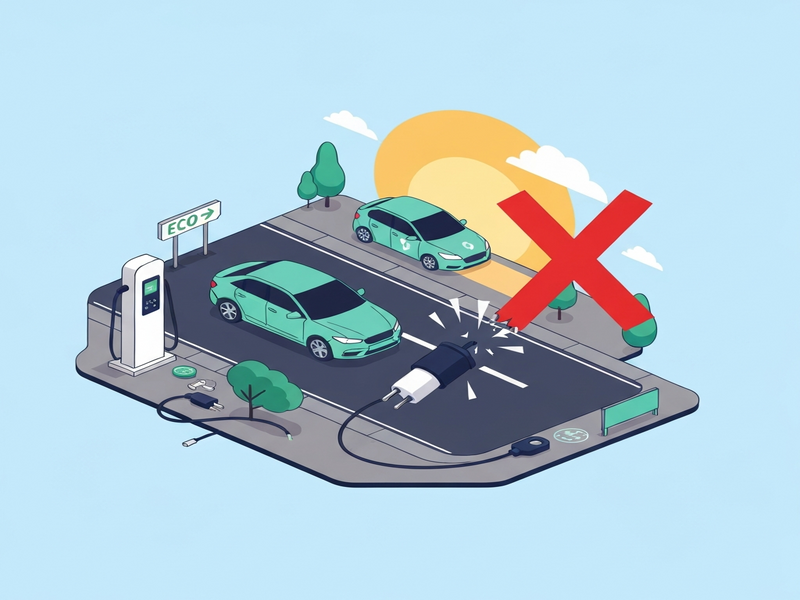
TechCrunch study at a glance
The Fraunhofer Institute accessed onboard computer logs from over 1 million PHEVs across Germany. By isolating electricity drawn from the grid versus gasoline consumption, the researchers quantified actual charging frequency and its impact on emissions.
- Only 31% of PHEVs were charged “occasionally” (once every few months) or not at all.
- Average electricity contribution to total energy use was just 12% across all models.
- Luxury brands fared worst: Porsche owners charged a mere 0.8% of the battery’s capacity over two years.
- Toyota drivers, the most diligent, still relied on electricity for only 44% of their driving energy.
These figures translate into emissions that are up to 3.5 × higher than the official EPA ratings for many PHEVs, effectively nullifying the intended emissions reduction advantage.
Low charging frequency: the hidden emissions driver
When a PHEV’s battery remains largely uncharged, the internal combustion engine (ICE) dominates, burning fossil fuel and emitting CO₂. The study identified three core consequences:
- Higher tailpipe emissions: Vehicles operate in mixed‑mode, using gasoline for the majority of trips.
- Reduced grid‑to‑wheel efficiency: Electricity, when used, is often generated from carbon‑intensive sources, eroding any potential gains.
- Increased lifecycle weight: The dual‑powertrain adds hundreds of pounds, worsening fuel economy even when the ICE is off.
For policymakers aiming at sustainable transportation, these findings suggest that incentivizing charging behavior may be as critical as subsidizing vehicle purchases.
PHEV versus EREV: Which concept truly bridges the gap?
Extended‑Range Electric Vehicles (EREVs) differ from traditional PHEVs by operating exclusively on battery power until depletion, after which a small gasoline engine acts as a generator. This design eliminates the need for drivers to decide when to plug in, theoretically improving charging frequency and emissions outcomes.
| Feature | PHEV | EREV |
|---|---|---|
| Primary power source | Battery + ICE (driver‑chosen) | Battery‑only until empty, then ICE generator |
| Typical electric‑only range | 20‑30 mi | 40‑70 mi (depending on model) |
| Charging requirement | Owner must plug in regularly | Optional; vehicle can self‑charge via ICE |
| Emissions profile (average) | Higher due to frequent ICE use | Lower when battery is sufficient; ICE runs only as generator |
While EREVs promise a smoother transition, they have yet to achieve mass‑market adoption. Automakers such as Ford and Stellantis have announced upcoming EREV pickup trucks, but production timelines remain uncertain.
What the auto industry must do next
Given the stark gap between PHEV marketing claims and real‑world performance, manufacturers face three strategic imperatives:
1. Prioritize pure‑electric platforms
Invest in larger battery packs and dedicated EV architectures rather than retrofitting ICE platforms.
2. Deploy AI‑driven charging incentives
Leverage AI solutions—such as the AI marketing agents on the UBOS platform overview—to personalize reminders, dynamic pricing, and gamified rewards that encourage frequent plugging.
3. Integrate data analytics for fleet optimization
Use the Workflow automation studio to aggregate vehicle telemetry, identify low‑charging patterns, and automatically suggest corrective actions for corporate fleets.
4. Offer transparent emissions reporting
Provide owners with real‑time CO₂ dashboards built with the Web app editor on UBOS, empowering them to see the direct impact of each charge.
These steps align with broader auto industry trends toward full electrification and can help manufacturers meet tightening emissions regulations worldwide.
How you can accelerate the shift away from plug‑in hybrids
Whether you’re a startup, an SMB, or an enterprise, UBOS offers tools that make sustainable mobility initiatives actionable:
- Explore UBOS for startups to prototype EV‑charging incentive apps in weeks.
- Leverage the Enterprise AI platform by UBOS to scale analytics across thousands of fleet vehicles.
- Kick‑start projects with ready‑made UBOS templates for quick start, such as the “AI SEO Analyzer” or “AI Article Copywriter” for content campaigns promoting EV adoption.
- Join the UBOS partner program to co‑develop sustainability solutions with leading OEMs.
By integrating these capabilities, you can create compelling, data‑backed narratives that demonstrate the tangible benefits of fully electric vehicles over plug‑in hybrids.
Conclusion: Plug‑in hybrids are losing relevance
The evidence is clear: without consistent charging, PHEVs fail to deliver the promised emissions reduction, and they add unnecessary complexity to the vehicle ecosystem. As charging infrastructure expands and AI‑driven incentives become mainstream, the market will likely bypass the hybrid stage altogether, moving straight to pure electric models and, where needed, EREVs that require no driver‑initiated plug‑in.
For eco‑conscious consumers and industry leaders alike, the path forward is simple—invest in technologies that make charging effortless, transparent, and rewarding. The era of the plug‑in hybrid is winding down; the future belongs to vehicles that run on electricity from the first mile to the last.
Andrii Bidochko
CTO UBOS
Andrii Bidochko is an AI entrepreneur and researcher focused on AI agents, reinforcement learning, and autonomous systems. He writes about the technologies shaping the future of machine intelligence, from frontier models and agent architectures to real-world AI applications.