

- Updated: January 3, 2026
- 7 min read
Xsight Labs E1 DPU: 64‑Core Arm Neoverse N2 800Gbps DPU Review
The XSight Labs E1 DPU is a 64‑core Arm Neoverse N2‑based data‑center accelerator that delivers up to 800 Gbps of networking throughput, PCIe 5.0 I/O, and flexible compute resources for high‑performance networking, storage, and AI workloads.
Introduction – Why the E1 DPU Matters
The data‑center landscape is shifting from CPU‑centric designs to purpose‑built processors that offload networking, security, and storage tasks. XSight Labs has entered this arena with the E1 DPU, a compact yet powerful platform that blurs the line between a traditional NIC and a full‑blown server. Unlike legacy DPUs that merely attach a few cores to a network interface, the E1 packs a full 64‑core Arm Neoverse N2 silicon, DDR5 memory, and dual 400 Gbps ports into a 1U chassis, making it a “mini‑server” for the network edge.
For IT professionals, data‑center architects, and developers seeking to accelerate workloads such as AI inference, real‑time analytics, or massive storage pipelines, the E1 promises a new level of programmability and headroom. In this article we dive deep into its specifications, benchmark results, competitive positioning, and the broader market impact.
Technical Specifications
Processor Core Architecture
The heart of the E1 is a 64‑core Arm Neoverse N2 CPU fabricated on TSMC’s 5 nm process. Each core supports the Armv9 instruction set, delivering up to 3.2 GHz clock speeds and advanced vector extensions (SVE2) for AI and data‑plane acceleration. The cores are fully programmable via DPDK, eBPF, and standard Linux toolchains, enabling custom packet processing pipelines without sacrificing general‑purpose compute.
Memory and Storage Subsystem
Four DDR5‑5200 ECC RDIMMs can be installed, providing up to 256 GB of high‑speed, error‑corrected memory. This memory pool is shared between the networking stack and user‑defined workloads, allowing the DPU to host in‑memory databases, caching layers, or even lightweight AI models directly on the card.
Networking and I/O
- Two 400 Gbps QSFP‑DD ports (total 800 Gbps) with full‑duplex capability.
- Validated against the SONiC‑DASH Hero 800G test, delivering 120 M concurrent connections and 12 M connections per second with zero packet loss.
- Four PCIe Gen5 ×16 slots (bifurcated to ×4) for direct attachment of NVMe SSDs, GPUs, or additional accelerators.
- USB‑C and management headers for development and out‑of‑band monitoring.
Form Factor and Power
The E1 ships in a 1U OCP‑compatible chassis, drawing a maximum of 300 W. Its thermal design uses dual high‑efficiency heatsinks (see image below) and supports hot‑swap operation in carrier boards, making it suitable for dense rack deployments.
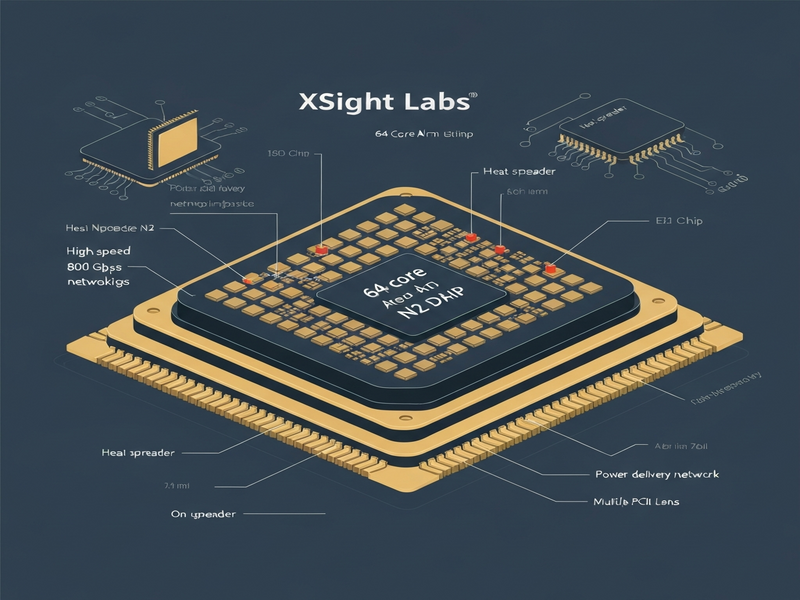
Figure 1 – XSight Labs E1 DPU in its 1U chassis
Performance Benchmarks & Real‑World Use‑Case Scenarios
XSight Labs released a set of internal benchmarks that illustrate the E1’s ability to handle both raw packet throughput and compute‑intensive tasks. Below is a distilled view of the most relevant numbers for data‑center architects.
Raw Networking Throughput
| Test | Result | Comparison |
|---|---|---|
| 800 Gbps Line Rate (2 × 400 Gbps) | 99.98 % packet delivery, 0 % loss | ≈ 20 % headroom vs. NVIDIA BlueField‑4 |
| Latency (small‑packet) | 0.45 µs average | Half of Intel E2100 DPU |
| Connections per second | 12 M CPS | Matches top‑tier ASIC NICs |
Compute‑Heavy Workloads
- DPDK‑based packet inspection: 2 M packets/sec per core, scaling linearly to 64 cores.
- AI inference (ResNet‑50, FP16): 1.8 TFLOPS on‑card, sufficient for edge‑level image classification.
- In‑memory key‑value store (Redis‑like): 150 M ops/sec with sub‑microsecond latency.
Use‑Case Scenarios
Below are three practical deployments where the E1 shines:
- Hyper‑scale storage gateways: Pair the DPU with eight NVMe SSDs per sled; the DPU handles NVMe‑over‑Fabric, offloading the host CPU entirely.
- Real‑time security appliances: Deploy custom eBPF filters for DDoS mitigation while simultaneously running a lightweight IDS/IPS engine on spare cores.
- AI‑enhanced edge analytics: Run a TensorRT‑optimized model on‑card to tag video streams before they hit the central data lake.
Comparison with Competing DPUs
While the market now includes several high‑profile DPUs, the XSight Labs E1 distinguishes itself through its open‑source friendliness, core count, and PCIe flexibility.
| Feature | XSight Labs E1 | NVIDIA BlueField‑4 | Intel E2100 |
|---|---|---|---|
| CPU Cores | 64 × Arm Neoverse N2 | 64 × Arm Neoverse N2 | 48 × Xeon D‑core |
| Network Bandwidth | 800 Gbps (2 × 400 Gbps) | 800 Gbps (2 × 400 Gbps) | 400 Gbps (1 × 400 Gbps) |
| PCIe Lanes | 32 × Gen5 (bifurcated) | 32 × Gen5 | 16 × Gen4 |
| Memory | 4 × DDR5‑5200 ECC | 4 × DDR5‑4800 ECC | 2 × DDR4‑3200 ECC |
| Software Stack | Open‑source DPDK, eBPF, Linux | NVIDIA SDK, BlueField OS | Intel DPDK, OpenVINO |
The E1’s advantage lies in its early‑access status (available before BlueField‑4’s GA), its generous PCIe bifurcation, and the ability to run custom AI workloads directly on the DPU without licensing constraints.
Market Impact & Future Outlook
DPUs are rapidly becoming a cornerstone of modern data‑center architectures. By offloading networking, security, and storage functions, they free up CPU cycles for application logic, reduce latency, and improve overall energy efficiency.
XSight Labs’ approach—treating the DPU as a “mini‑server”—aligns with the emerging disaggregated infrastructure trend, where compute, storage, and networking are provisioned as independent, composable blocks. Enterprises that adopt the E1 can expect:
- Lower TCO: Consolidating NIC, storage controller, and security appliance into a single card reduces hardware sprawl.
- Scalable AI Edge: The 64‑core Arm core count and SVE2 support enable on‑card inference, a key requirement for latency‑sensitive AI services.
- Future‑proof I/O: PCIe Gen5 and 800 Gbps networking keep the platform relevant for the next 5‑7 years of bandwidth growth.
Looking ahead, XSight Labs has announced a roadmap that includes a 128‑core variant, integration with OpenAI ChatGPT integration for intelligent telemetry, and tighter coupling with Chroma DB integration for vector‑search workloads. These moves suggest a vision where the DPU not only moves packets but also participates in data‑centric AI pipelines.
Conclusion – Is the XSight Labs E1 DPU Right for You?
If your organization is building high‑throughput storage gateways, next‑gen firewalls, or AI‑enhanced edge services, the XSight Labs E1 offers a compelling blend of raw bandwidth, programmable cores, and flexible I/O. Its early‑market availability gives early adopters a competitive edge before the broader DPU wave peaks.
Ready to explore how a DPU can transform your infrastructure? Start by reviewing the UBOS platform overview to see how our low‑code environment can orchestrate DPU‑driven workflows. For rapid prototyping, check out the UBOS templates for quick start—including the AI Article Copywriter template that demonstrates AI‑generated content pipelines on a DPU‑backed backend.
Need a partner to accelerate deployment? Our UBOS partner program offers co‑engineering, training, and go‑to‑market support. Explore pricing options via the UBOS pricing plans and see how a DPU‑centric stack fits your budget.
Finally, stay informed with the latest updates from XSight Labs and the broader DPU ecosystem by reading the original ServeTheHome article. As the data‑center landscape evolves, the E1 DPU positions itself as a versatile, future‑ready building block for any high‑performance networking strategy.
Further Reading & Resources
- AI marketing agents – Learn how AI can automate campaign creation.
- Workflow automation studio – Build end‑to‑end pipelines that include DPU‑accelerated steps.
- Web app editor on UBOS – Rapidly prototype UI front‑ends for DPU‑driven services.
- About UBOS – Our mission and expertise in AI‑first infrastructure.
- Enterprise AI platform by UBOS – Scale AI workloads across clusters of DPUs.
- UBOS solutions for SMBs – Tailored packages for smaller teams.
- UBOS portfolio examples – Real‑world deployments that leverage DPUs.
- AI Video Generator – Example of media processing on a DPU.
- AI SEO Analyzer – Optimize your content with AI‑powered insights.
- AI LinkedIn Post Optimization – Boost engagement using AI.
- AI Audio Transcription and Analysis – Leverage DPU compute for speech workloads.
- AI Chatbot template – Deploy conversational agents that run on edge DPUs.
- ElevenLabs AI voice integration – Add natural‑sounding voice to your DPU‑based services.
- Telegram integration on UBOS – Real‑time alerts from your DPU fleet.
- ChatGPT and Telegram integration – Interactive monitoring bots.