

- Updated: April 30, 2025
- 3 min read
Wikipedia’s AI Strategy: Enhancing Human Efforts with Technology
Wikipedia’s AI Strategy: A Human-Centered Approach
In the ever-evolving landscape of artificial intelligence, Wikipedia stands as a beacon of human-centered innovation. The Wikipedia AI strategy is an ambitious initiative aimed at enhancing the user experience by integrating AI in a way that supports and amplifies the efforts of human volunteers. This article delves into the key aspects of AI integration in Wikipedia and its implications for the community.
Key Aspects of AI Integration in Wikipedia
Wikipedia’s AI strategy is built on several pillars designed to enhance the platform’s functionality while maintaining its core values. The integration of AI is not about replacing human effort but rather augmenting it. Here are the key aspects:
- Automating Repetitive Tasks: AI is employed to handle mundane tasks, such as vandalism detection and content moderation, freeing up volunteers to focus on more complex contributions.
- Improving Information Discoverability: AI-driven tools help users find relevant information more efficiently, enhancing the overall user experience.
- Assisting in Translations: AI aids in translating articles, making Wikipedia’s vast repository of knowledge accessible to a global audience.
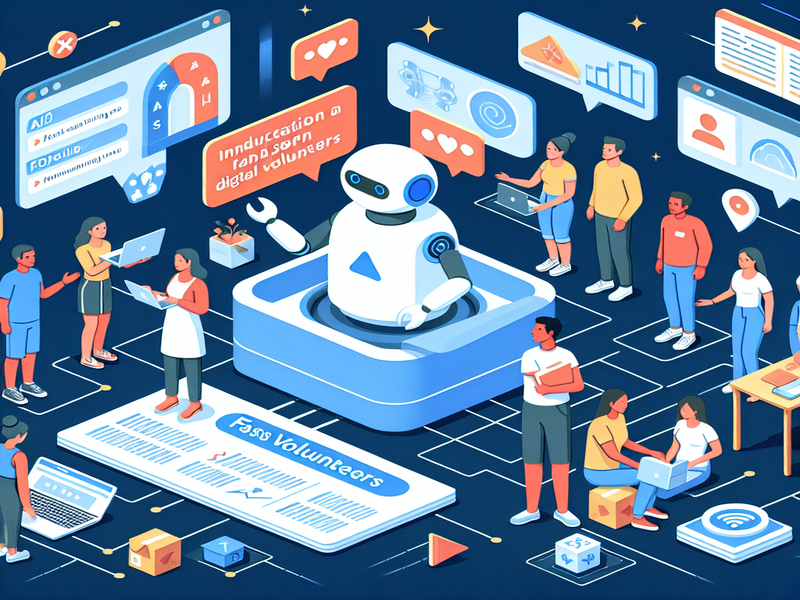
- Onboarding New Volunteers: AI tools are used to guide new volunteers, helping them understand the platform’s guidelines and editing practices.
- Ensuring Transparency: Wikipedia’s commitment to open-source AI ensures transparency and trust within the community.
Benefits of AI for Wikipedia’s Community
The integration of AI into Wikipedia offers numerous benefits to both volunteers and users. By automating routine tasks, AI allows volunteers to focus on content creation and curation, enhancing the quality of articles. Additionally, AI tools improve the accessibility of information, making it easier for users to find and understand content.
Moreover, AI’s role in assisting with translations is crucial for expanding Wikipedia’s reach. By breaking down language barriers, AI ensures that knowledge is accessible to a diverse, global audience.
Wikipedia’s AI strategy also emphasizes the importance of maintaining core values, such as neutrality and verifiability. By ensuring that AI tools are open-source and transparent, Wikipedia fosters trust and collaboration within its community.
Challenges and Considerations
While the integration of AI in Wikipedia presents numerous benefits, it also poses certain challenges. One of the primary concerns is ensuring that AI tools align with Wikipedia’s core values. There is a need for continuous monitoring and evaluation to ensure that AI-driven processes do not compromise neutrality or introduce biases.
Additionally, the reliance on AI may lead to an over-dependence on technology, potentially undermining the role of human volunteers. It is essential to strike a balance between AI and human effort to maintain the platform’s integrity.
Another consideration is the ethical implications of AI use. Wikipedia’s commitment to transparency and open-source AI is crucial in addressing these concerns, ensuring that AI tools are developed and used responsibly.
Conclusion and Future Outlook
Wikipedia’s AI strategy represents a forward-thinking approach to integrating technology in a way that supports human effort. By leveraging AI to automate routine tasks, improve information discoverability, and assist with translations, Wikipedia enhances its functionality while staying true to its core values.
Looking ahead, the future of AI in Wikipedia is promising. As technology continues to evolve, Wikipedia’s commitment to a human-centered approach will ensure that the platform remains a trusted source of knowledge for users worldwide.
For more insights on AI integration and its impact on various sectors, explore the OpenAI ChatGPT integration and AI-powered chatbot solutions on the UBOS platform. Additionally, discover how ChatGPT and Telegram integration can revolutionize communication.
For those interested in the broader implications of AI in business, the Generative AI agents for businesses offer a glimpse into the future of AI-driven innovation.
Andrii Bidochko
CTO UBOS
Andrii Bidochko is an AI entrepreneur and researcher focused on AI agents, reinforcement learning, and autonomous systems. He writes about the technologies shaping the future of machine intelligence, from frontier models and agent architectures to real-world AI applications.