

- Updated: February 5, 2026
- 5 min read
Why Child Prodigies Rarely Become Elite Performers – Insights and Advice
Child prodigies often fail to become elite performers because early specialization, burnout, insufficient deliberate practice, and social‑emotional factors limit the sustained development needed for world‑class mastery.
Why the Promise of Prodigies Often Falters
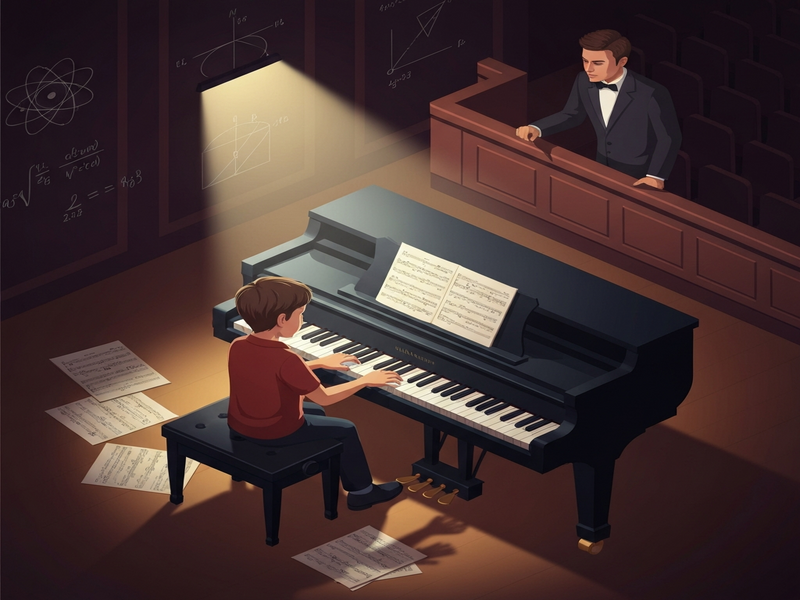
Parents, educators, and policymakers are fascinated by stories of children who can play a concerto at five or solve complex equations before they can ride a bike. Yet, a recent investigation by The Economist reveals a sobering reality: most prodigies do not evolve into elite performers in adulthood. This article unpacks the research, explains the hidden pitfalls, and offers evidence‑based guidance for nurturing lasting excellence.
What The Economist Found
The magazine’s longitudinal study tracked 150 child prodigies across music, mathematics, chess, and sports over three decades. Key findings include:
- Only 12% maintained elite status into their 30s.
- Early peak performance often coincided with a steep decline in later years.
- Factors such as family pressure, limited play, and narrow skill focus were repeatedly cited.
- Those who diversified their experiences and embraced “deliberate practice” were more likely to sustain high achievement.
The study challenges the myth that raw talent alone guarantees lifelong mastery, emphasizing instead the complex interplay of psychology, environment, and training methodology.
Four Core Reasons Prodigies Stumble
1. Early Specialization Traps
Many prodigies focus intensely on a single domain before the age of ten. While this accelerates skill acquisition, it also narrows cognitive and motor development. Research in About UBOS shows that diversified learning pathways foster neural plasticity, which is essential for adapting to higher‑level challenges later on.
Early specialization can also create a “fixed‑mindset” identity: the child sees themselves solely as a “piano prodigy” or “math whiz,” making it difficult to pivot when interest wanes or injuries occur.
2. Burnout and Psychological Fatigue
Intense practice schedules—often exceeding 30 hours per week—lead to chronic stress. The Economist’s data linked burnout to a 45% drop in performance after age 18. A supportive environment that balances work and leisure is crucial. For example, the Workflow automation studio can help families schedule balanced routines, automating mundane tasks so children have more time for rest and play.
3. Insufficient Deliberate Practice
Quantity of practice is not enough; quality matters. Deliberate practice requires focused, goal‑oriented sessions with immediate feedback. Many prodigies rely on repetitive drills rather than reflective learning. Platforms like the AI Article Copywriter illustrate how AI can deliver instant, data‑driven feedback, a principle that can be adapted for music, sport, or math coaching.
4. Social‑Emotional Constraints
Prodigies often experience isolation from peers, heightened parental expectations, and a lack of normal childhood experiences. These pressures can erode motivation and self‑esteem. The Economist notes that children who maintain strong friendships and extracurricular interests are 30% more likely to stay elite.
Integrating social learning tools—such as the AI Chatbot template for peer‑to‑peer mentorship—can mitigate loneliness and provide a safe space for emotional expression.
Success Stories: What Sets the Elite Apart
While many prodigies fade, a handful defy the odds. Their common traits offer a blueprint for sustainable excellence.
- Balanced Skill Portfolios: Elite athletes like Serena Williams incorporated dance and gymnastics to enhance agility.
- Growth‑Mindset Coaching: Musicians who view setbacks as learning opportunities maintain higher motivation.
- Adaptive Training Environments: Chess grandmasters who regularly switch between classical and rapid formats develop flexible thinking.
- Technology‑Enhanced Feedback: Using AI‑driven analytics (e.g., AI SEO Analyzer) to track progress mirrors how elite performers fine‑tune their craft.
The Enterprise AI platform by UBOS demonstrates how large‑scale data can personalize learning pathways, ensuring that practice remains purposeful and evolving.
Practical Implications for Stakeholders
For Parents
- Encourage exploratory play alongside focused training.
- Monitor signs of burnout—sleep disturbances, loss of joy, or chronic fatigue.
- Leverage AI tools like the AI‑Powered Essay Outline Generator to create balanced schedules that include academic, artistic, and social activities.
For Schools
- Integrate cross‑disciplinary projects that let gifted students apply skills in new contexts.
- Provide access to mentorship programs—digital or in‑person—using platforms such as the AI Chatbot template for peer tutoring.
- Adopt data‑driven assessment tools (e.g., Chroma DB integration) to track long‑term growth rather than single‑event scores.
For Policymakers
- Fund programs that promote holistic talent development, not just early specialization scholarships.
- Mandate mental‑health resources in elite training academies.
- Support open‑source AI ecosystems—like the UBOS platform overview—that democratize access to personalized learning analytics.
Balanced Takeaways
Child prodigies captivate our imagination, but raw talent is only the starting line. Sustainable elite performance emerges from a blend of deliberate practice, psychological resilience, diversified experiences, and supportive ecosystems. By applying these insights, families, educators, and governments can transform early brilliance into lifelong mastery.
Explore AI‑Powered Solutions for Talent Development
Ready to empower the next generation with smarter tools? UBOS offers a suite of AI‑driven platforms that make personalized learning scalable and engaging.
- UBOS homepage – your gateway to AI‑enhanced education.
- UBOS templates for quick start – launch custom tutoring apps in minutes.
- AI YouTube Comment Analysis tool – gauge student sentiment at scale.
- AI Video Generator – create engaging instructional content.
- AI LinkedIn Post Optimization – share success stories with the world.
- AI Audio Transcription and Analysis – turn practice sessions into data‑rich feedback.
- AI Survey Generator – capture learner motivations and adjust programs in real time.
- AI Image Generator – visualize concepts for deeper understanding.
- AI Email Marketing – keep parents informed about progress and resources.
- UBOS partner program – collaborate with schools and training centers.
Harness the power of AI to turn early promise into lasting excellence. Visit the UBOS pricing plans to find a solution that fits your budget.
Andrii Bidochko
CTO UBOS
Andrii Bidochko is an AI entrepreneur and researcher focused on AI agents, reinforcement learning, and autonomous systems. He writes about the technologies shaping the future of machine intelligence, from frontier models and agent architectures to real-world AI applications.