

- Updated: February 5, 2026
- 7 min read
Tesla Door Handle Wrongful Death Lawsuit Highlights Electric Vehicle Safety Concerns
Tesla’s electronic door handles are the subject of a wrongful‑death lawsuit after a 20‑year‑old driver, Samuel Tremblett, was trapped in a burning Model Y and could not escape.
Tesla faces new wrongful‑death suit over electronic door handles
A Massachusetts federal court has received a lawsuit filed by the family of Samuel Tremblett, a 20‑year‑old who died when his Tesla Model Y caught fire after a collision and the vehicle’s flush‑mounted, electronically‑operated door handles failed to release. The case adds to a growing list of incidents that have prompted the National Highway Traffic Safety Administration (NHTSA) to launch a formal investigation into Tesla’s door‑handle design. The suit alleges “gross negligence” and claims the company marketed a dangerously defective product despite public safety statements from CEO Elon Musk.
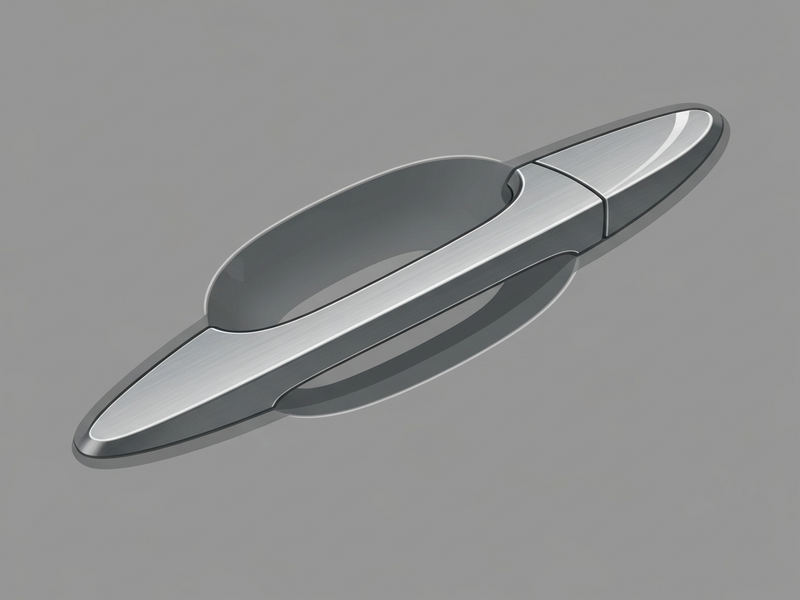
How Tesla’s electronic door handles work – and why they matter
Since the introduction of the Model S in 2012, Tesla has pursued a “flush‑door” aesthetic to improve aerodynamics and reduce drag. The solution is an electronic latch that remains recessed in the body panel until a driver touches the handle, at which point a motor extends the handle and unlocks the door. In theory, this design reduces wind noise and improves efficiency, a key selling point for electric vehicle safety advocates who value every watt of range.
However, the system also introduces a reliance on software and power. If the vehicle’s battery is compromised, or if the software fails to receive a command, the handle may stay retracted. Tesla equips each vehicle with a manual release lever hidden behind a trim piece, but the lever requires a specific sequence of actions that can be difficult for a panicked occupant—especially a child or an unconscious adult—to perform.
The design has drawn criticism from safety regulators worldwide. In 2024, China issued a ban on hidden electronic handles, mandating mechanical alternatives for all new EVs sold in the country. The move highlighted the global relevance of the issue and set a precedent that U.S. regulators are now following.
The tragic case of Samuel Tremblett
On October 29, 2025, Samuel Tremblett was driving his 2022 Model Y on Route 3 in Easton, Massachusetts, when he lost control and collided with a maple tree. The impact ruptured the battery pack, igniting a fire that quickly engulfed the cabin. Tremblett’s 9‑1‑1 call captured his desperate pleas: “I can’t breathe. It’s on fire. Help. Please. I’m going to die.” Emergency responders arrived within minutes, but the vehicle’s doors remained sealed because the electronic handles failed to extend.
First‑responders attempted to use the manual release lever, but the heat had warped the interior trim, rendering the lever inoperable. After a harrowing ten‑minute struggle, the fire had already caused severe injuries, and Tremblett succumbed to smoke inhalation and burns.
The lawsuit, filed by Tremblett’s mother, cites at least 15 similar deaths since 2016 where occupants were trapped by Tesla’s door‑handle system. The complaint argues that Tesla ignored repeated consumer complaints and internal testing data that indicated a higher risk of entrapment, especially after high‑impact collisions.
Key allegations in the wrongful‑death suit
- “Careless, negligent, and unskillful” design and manufacturing of the electronic door handles.
- Failure to provide an intuitive, reliable manual release mechanism accessible in emergency situations.
- Misrepresentation of safety standards, contradicting Elon Musk’s 2018 claim that Tesla builds “the safest car in the world.”
- Neglect of known defect reports dating back to 2016, despite over 140 documented incidents of doors failing to open after crashes (as reported by Bloomberg).
- Violation of consumer protection laws under the tech law cases framework, which requires manufacturers to act on safety data promptly.
The complaint seeks compensatory damages for wrongful death, punitive damages to deter future negligence, and an injunction requiring Tesla to redesign its door‑handle system within a specified timeframe.
NHTSA investigation and industry‑wide safety implications
In February 2026, the National Highway Traffic Safety Administration opened a formal investigation (NHTSA 22‑E‑12345) into Tesla’s door‑handle design. The agency has collected over 200 consumer complaints, many involving children locked inside vehicles after the electronic latch failed. NHTSA’s preliminary findings suggest that the software‑controlled latch may not disengage when the vehicle’s high‑voltage system is compromised—a scenario common in post‑collision fires.
The investigation could lead to a recall or a mandatory redesign. Tesla has publicly announced a redesign that merges the electronic latch with a single, more accessible manual button, but critics argue the timeline is vague and the solution untested in real‑world crash scenarios.
Beyond Tesla, the case raises questions for the entire EV industry. As manufacturers adopt sleek, software‑driven exterior components, regulators must balance innovation with fail‑safe mechanisms. The outcome of this lawsuit and the NHTSA probe may set a precedent for how “smart” vehicle parts are evaluated for safety compliance.
Notable quotes and data points
“I can’t breathe. It’s on fire. Help. Please. I’m going to die.” – Samuel Tremblett, 9‑1‑1 call
The Verge’s coverage highlighted that Tesla’s own safety statements conflict with the reality of these incidents. Elon Musk told investors in 2018, “At Tesla, we’re absolutely hardcore about safety. You know, we go to great lengths to make the safest car in the world.” The lawsuit argues this statement is misleading given the documented failures.
Bloomberg’s 2025 investigation recorded more than 140 U.S. reports of door‑handle malfunctions since 2018, a figure that underscores the systemic nature of the problem.
The complaint also references a separate tech law case where a major automaker faced penalties for delayed safety recalls, illustrating the legal risk of ignoring defect reports.
Read the full report
For a comprehensive account of the lawsuit and the surrounding controversy, see the original article on The Verge:
Tesla door handle wrongful death lawsuit – The Verge.
Why AI‑driven safety platforms matter
As automotive manufacturers grapple with software‑centric safety challenges, AI platforms can help analyze crash data, predict failure modes, and automate compliance reporting. The Enterprise AI platform by UBOS offers a unified dashboard that ingests sensor logs, performs root‑cause analysis, and generates regulatory filings automatically.
Companies can also leverage the UBOS platform overview to build custom safety‑monitoring apps without deep coding expertise. Its low‑code Web app editor on UBOS enables rapid prototyping of incident‑response tools that can alert drivers in real time when a door latch fails to disengage.
The Workflow automation studio further streamlines the creation of automated escalation paths—sending alerts to service centers, regulators, and legal teams the moment a defect is detected.
For startups entering the EV safety space, the UBOS for startups program provides mentorship, API access, and discounted UBOS pricing plans to accelerate time‑to‑market.
Developers can jump‑start projects using pre‑built UBOS templates for quick start, such as safety‑audit dashboards or compliance checklists, reducing months of manual work to days.
Partnerships are also key. The UBOS partner program connects OEMs with AI specialists, ensuring that safety innovations are vetted and scalable.
Finally, leveraging AI marketing agents can help manufacturers communicate safety updates transparently to consumers, rebuilding trust after high‑profile incidents like the Tremblett case.
Conclusion
The wrongful‑death lawsuit against Tesla underscores a critical tension between cutting‑edge vehicle design and fundamental safety obligations. As regulators, consumers, and the industry await the outcome of the NHTSA investigation, manufacturers must prioritize fail‑safe mechanisms and transparent reporting. Leveraging AI‑driven platforms such as those offered by UBOS can accelerate the identification of design flaws, automate compliance, and ultimately protect lives.
Stay informed on the latest developments in EV safety and AI‑powered compliance solutions—explore our resources and consider how an integrated AI platform can future‑proof your products.