

- Updated: January 2, 2026
- 5 min read
SpaceX to Lower Starlink Satellites to Reduce Collision Risk and Speed Deorbit
SpaceX is lowering the orbits of roughly 4,400 Starlink satellites from about 550 km to 480 km to cut collision risk and enable faster de‑orbiting of malfunctioning units.
SpaceX’s Orbit‑Reduction Maneuver: A Safety‑First Shift for Starlink
In early 2026, SpaceX announced a bold step to improve the long‑term sustainability of its massive Starlink constellation. By dropping the altitude of more than four thousand satellites, the company aims to reduce the probability of in‑orbit collisions and accelerate the natural decay of satellites that reach the end of their service life. This move comes after a series of near‑misses and an on‑orbit explosion that highlighted the growing congestion in low Earth orbit (LEO). Below, we break down the background, motivations, recent incidents, and the broader impact of this decision on the satellite industry.
Background on the Starlink Constellation
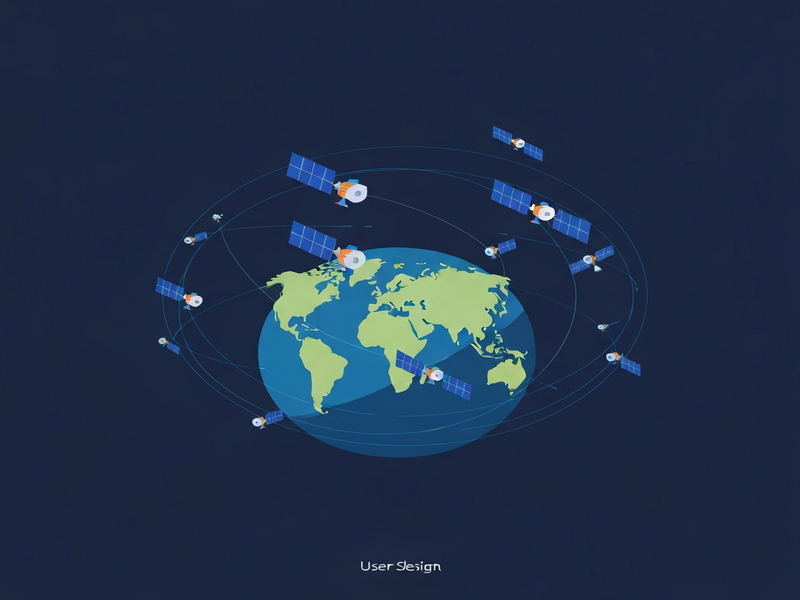
Since its first launch in 2019, SpaceX’s Starlink program has grown into the world’s largest LEO broadband network. As of early 2026, more than 9,000 satellites orbit the Earth, delivering high‑speed internet to over 9.25 million customers across 155+ countries. The constellation is built in multiple orbital shells, with the primary “v‑band” layer operating at roughly 550 km altitude.
The rapid deployment pace—over 120 Falcon 9 missions dedicated to Starlink in 2025 alone—has set a new benchmark for commercial launch cadence. However, the sheer volume of objects in LEO has also intensified concerns about space traffic management, especially as other private and governmental actors plan to launch tens of thousands of satellites by the end of the decade.
Why SpaceX Is Lowering the Orbit
“Below 500 km there are fewer debris objects and planned constellations, making it a safer altitude for our fleet.” – Michael Nicolls, VP of Starlink Engineering
The decision rests on three interlocking safety pillars:
- Collision risk mitigation: Lower altitudes experience less traffic from other commercial constellations, reducing the chance of accidental impacts.
- Accelerated de‑orbit: At 480 km, atmospheric drag is roughly 30 % higher than at 550 km, meaning a non‑functional satellite will naturally re‑enter within 1–2 years instead of 5–7 years.
- Space‑debris stewardship: Faster decay limits the long‑term accumulation of defunct hardware, aligning SpaceX with emerging international guidelines on orbital sustainability.
By moving a substantial portion of the fleet to this “safer” shell, SpaceX also creates a buffer zone for future constellations that may operate below 500 km, such as Earth‑observation clusters and emerging IoT networks.
Recent Incidents That Prompted the Move
Two high‑profile events in late 2025 served as a catalyst for the orbit‑reduction plan:
- Starlink explosion: One of the operational satellites suffered a catastrophic failure, resulting in a debris cloud that briefly lingered at the 550 km layer.
- Near‑miss with a Chinese satellite: Automated conjunction analysis flagged a potential collision between a Starlink unit and a Chinese communications satellite, prompting an emergency maneuver that narrowly avoided impact.
Both incidents underscored the fragility of a densely packed orbital environment. In response, SpaceX’s engineering team accelerated the schedule to lower the orbits of the next batch of satellites, aiming to complete the transition within the next 12 months.
Expected Benefits and Industry Impact
The orbit‑reduction strategy is expected to generate measurable advantages for both SpaceX and the broader space ecosystem:
Safety Gains
- Reduced probability of conjunction events by an estimated 15‑20 %.
- Quicker removal of defunct satellites, limiting long‑term debris growth.
- Enhanced confidence among regulators and insurance underwriters.
Operational Efficiency
- Lower fuel consumption for de‑orbit maneuvers.
- Extended service life for active satellites due to reduced collision avoidance burns.
- Improved network latency for users in the new orbital shell.
From an industry perspective, SpaceX’s proactive stance may set a precedent for other operators. As the satellite‑technology landscape evolves, regulators are likely to adopt stricter debris‑mitigation standards, and SpaceX’s actions could become a benchmark for compliance.
How This Move Aligns With Emerging AI‑Driven Space Operations
The shift to a lower orbit is not just a mechanical adjustment; it also opens new opportunities for AI‑enhanced mission planning and real‑time traffic monitoring. Platforms like the UBOS platform overview already integrate AI modules that can predict conjunction probabilities and automate de‑orbit sequences.
For instance, the Chroma DB integration enables rapid indexing of orbital data, while the OpenAI ChatGPT integration can field natural‑language queries from operators about satellite health, collision alerts, and optimal maneuver windows. These tools illustrate how AI is becoming a cornerstone of space traffic management, complementing SpaceX’s physical mitigation measures.
Explore AI‑powered space solutions:
Conclusion & Future Outlook
SpaceX’s decision to lower the orbits of roughly 4,400 Starlink satellites marks a pivotal moment in the stewardship of low‑Earth‑orbit assets. By proactively reducing collision risk and accelerating de‑orbit timelines, the company not only safeguards its own network but also contributes to a healthier orbital environment for all stakeholders.
Looking ahead, the industry can expect:
- More operators adopting sub‑500 km shells for new constellations.
- Increased reliance on AI‑driven traffic‑management tools.
- Stronger international guidelines that incentivize rapid de‑orbit capabilities.
As the UBOS partner program continues to foster collaborations between satellite firms and AI innovators, the path toward a sustainable, collision‑free LEO becomes clearer. SpaceX’s orbit‑reduction initiative is a concrete step in that direction, and its outcomes will likely shape policy, technology, and business models for years to come.
For the full story, see the original Verge story.
Meta Description Ideas
- SpaceX lowers 4,400 Starlink satellites to 480 km to cut collision risk and speed up de‑orbiting, enhancing LEO safety.
- Learn why SpaceX’s orbit‑reduction plan improves satellite safety, reduces space debris, and impacts the future of low‑Earth‑orbit constellations.
- Explore the recent Starlink incidents that prompted SpaceX to move satellites lower and how AI tools can help manage orbital traffic.
Andrii Bidochko
CTO UBOS
Andrii Bidochko is an AI entrepreneur and researcher focused on AI agents, reinforcement learning, and autonomous systems. He writes about the technologies shaping the future of machine intelligence, from frontier models and agent architectures to real-world AI applications.