

- Updated: February 22, 2026
- 5 min read
Samsung Integrates Perplexity AI into Galaxy Devices – What It Means for Users
Samsung Adds Perplexity to Galaxy AI: What It Means for Users
Samsung’s latest Galaxy AI update now integrates Perplexity AI, letting users summon the “Plex” assistant with a simple voice command and enjoy deeper, context‑aware assistance across native apps.
Tech enthusiasts have been waiting for a truly multi‑agent AI experience on Android, and Samsung just delivered. By embedding Perplexity AI directly into the Galaxy AI stack, the company is turning its flagship phones into a hub for interchangeable AI personalities. This move not only expands the functional reach of Samsung’s Bixby and Gemini but also signals a broader industry shift toward “AI ecosystems” where users can pick the best‑fit agent for each task.
In this article we break down the integration, explore the tangible benefits for everyday users, compare Samsung’s approach with rival offerings, and show how you can leverage the new capabilities today.
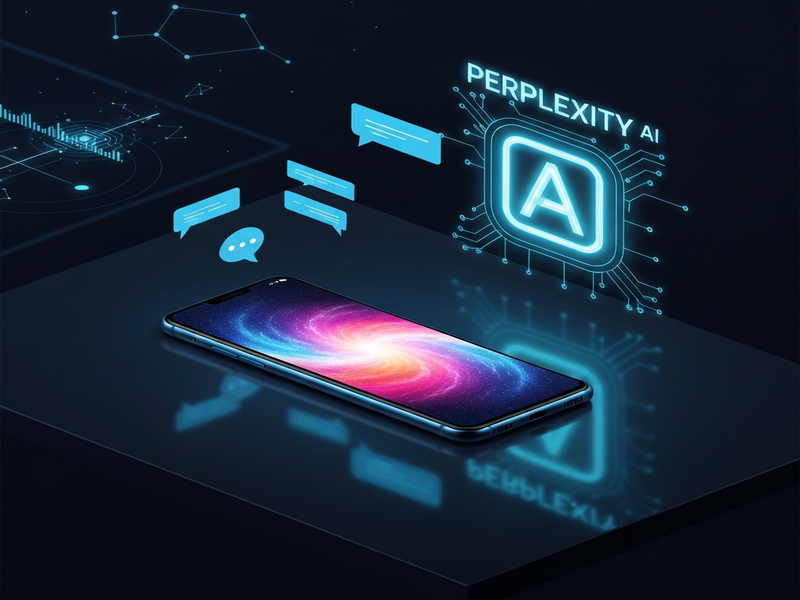
For a deeper dive into the original announcement, read the original Verge article.
How Samsung Integrated Perplexity AI into Galaxy AI
Voice Trigger and Seamless Hand‑off
Users can now say “Hey, Plex” to invoke Perplexity AI. The command works across the lock screen, the always‑on display, and within any supported app, creating a frictionless hand‑off from Samsung’s native assistants to Perplexity’s large‑language‑model engine.
Deep Integration with Core Samsung Apps
Perplexity isn’t limited to answering web queries. It has privileged access to Samsung Notes, Clock, Gallery, Reminder, and Calendar. For example, you can ask Plex to “Create a meeting note from my last photo” and the assistant will pull the image from Gallery, extract text via OCR, and draft a note in Samsung Notes—all without leaving the conversation.
Third‑Party App Support
While Samsung has kept the exact list under wraps, the company confirmed that select third‑party productivity and messaging apps will be “AI‑ready,” meaning developers can expose intents that Perplexity can call. This opens the door for future integrations with popular services like Slack, Notion, or even niche finance trackers.
From a developer perspective, Samsung provides a set of SDKs that let partners register their apps as “Perplexity‑compatible.” The same SDKs power other AI‑centric features on the UBOS platform overview, making it easier for SaaS providers to plug into the Galaxy AI ecosystem.
Benefits and Real‑World Impact for Users
- Context‑aware assistance: Because Perplexity can read your calendar and notes, it delivers answers that reflect your personal schedule, not generic web results.
- Reduced app‑switching: Complex workflows—like planning a trip, booking a flight, and creating a packing list—can be completed in a single conversational thread.
- Improved productivity: The Workflow automation studio on UBOS shows how automating repetitive tasks with AI can save hours each week; Samsung’s integration brings a similar philosophy to the mobile realm.
- Personalized content creation: Leveraging ElevenLabs AI voice integration, users can ask Plex to generate spoken summaries of long articles and have them read aloud instantly.
- Enhanced accessibility: Voice‑first interactions help users with motor impairments navigate their device more independently.
Early adopters report that the “Hey, Plex” command feels more natural than Samsung’s previous Bixby wake‑word, largely because Perplexity’s language model produces concise, human‑like responses. For developers, the integration demonstrates a blueprint for building AI marketing agents that can be swapped in and out of a product without a full redesign.
Samsung vs. Competitors: Who Leads the Multi‑Agent Race?
| Feature | Samsung (Galaxy AI + Perplexity) | Apple (Siri + ChatGPT) | Google (Assistant + Gemini) |
|---|---|---|---|
| Voice Trigger | “Hey, Plex” (customizable) | “Hey Siri” (static) | “Hey Google” (static) |
| Third‑Party App Access | SDK‑based, expanding list | Limited to Apple‑approved shortcuts | Google Actions (phasing out) |
| Contextual Memory | Calendar, Notes, Gallery integration | Limited to recent queries | Basic context from recent commands |
| Custom AI Agents | Multi‑agent ecosystem (Perplexity, Gemini, future agents) | Single‑agent (Siri) with optional ChatGPT plug‑in | Gemini as primary LLM, no third‑party swap |
Samsung’s strategy stands out because it treats AI as a modular service rather than a monolithic assistant. This mirrors the philosophy behind the Enterprise AI platform by UBOS, where businesses can stitch together best‑of‑breed models for specific workloads.
Apple and Google continue to rely on tightly controlled ecosystems, which can limit flexibility for power users. Samsung’s open‑ended approach may attract developers looking to experiment with niche agents—think a finance‑focused LLM or a creative‑writing assistant—without waiting for OS‑level updates.
What’s Next? How to Get Started
Samsung’s Perplexity integration is rolling out to the Galaxy S26 series and will be back‑ported to select older models via the next OTA update. To activate:
- Open Settings → Advanced Features → Galaxy AI.
- Toggle “Perplexity (Plex) Assistant” on.
- Train the assistant by granting access to Notes, Calendar, and Gallery when prompted.
- Test the wake‑word: “Hey, Plex, what’s on my agenda for tomorrow?”
If you’re a developer, explore the OpenAI ChatGPT integration guide on UBOS to see how you can build your own AI‑powered features that will work side‑by‑side with Samsung’s multi‑agent framework.
Ready to experience a truly personalized AI assistant? Upgrade to the latest Galaxy device, enable Perplexity, and watch your phone become a proactive partner in work and life.
Stay ahead of AI trends—subscribe to our AI trends newsletter and never miss a breakthrough.
Andrii Bidochko
CTO UBOS
Andrii Bidochko is an AI entrepreneur and researcher focused on AI agents, reinforcement learning, and autonomous systems. He writes about the technologies shaping the future of machine intelligence, from frontier models and agent architectures to real-world AI applications.