

- Updated: April 17, 2025
- 5 min read
Microsoft’s Hyper-Efficient AI Model Revolutionizes CPU Performance
Microsoft’s AI Developments: Hyper-Efficient Models, CoreAI, and Global Progress
Microsoft, a titan in the technology industry, has once again pushed the boundaries of artificial intelligence with the development of a hyper-efficient AI model capable of running on CPUs. This groundbreaking advancement promises to revolutionize the accessibility and scalability of AI applications across various sectors. In this article, we delve into the details of this development, explore the implications of CoreAI, and discuss Microsoft’s role in the global AI landscape.
Unveiling Microsoft’s Hyper-Efficient AI Model
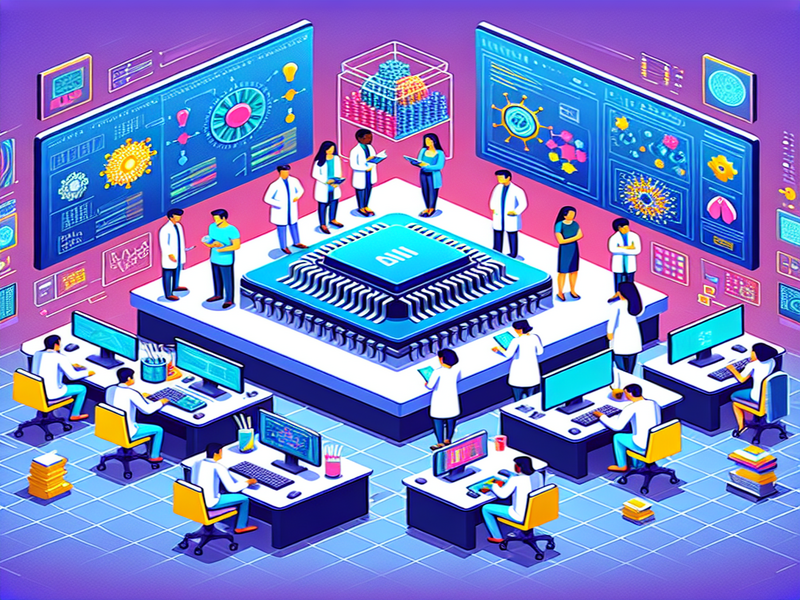
In a recent announcement, Microsoft researchers revealed their latest innovation: a hyper-efficient AI model designed to operate seamlessly on CPUs, bypassing the traditional reliance on GPUs. This development is a significant leap forward in AI technology, offering the potential to democratize AI by making it more accessible to businesses and developers who may not have the resources for high-end hardware.
The model’s efficiency stems from its unique architecture, which optimizes computational processes to reduce energy consumption and enhance processing speeds. This innovation aligns with Microsoft’s broader vision of making AI more sustainable and efficient, a goal that resonates with the industry’s increasing focus on eco-friendly technology solutions.
The CoreAI Initiative: A New Era in AI Development
CoreAI, a pivotal component of Microsoft’s AI strategy, is designed to maximize the potential of AI technologies in enterprises. By integrating this initiative with their hyper-efficient model, Microsoft aims to streamline AI deployment in business environments, enhancing productivity and innovation. CoreAI facilitates the orchestration of AI agents, enabling businesses to automate complex processes and improve decision-making capabilities.
For organizations looking to leverage AI to its fullest potential, understanding the nuances of CoreAI is crucial. It represents a shift towards more autonomous and intelligent systems that can operate with minimal human intervention. This aligns with the vision of creating autonomous organizations, where AI plays a central role in driving business evolution.
Maximizing AI Potential in Business
The introduction of Microsoft’s hyper-efficient AI model and CoreAI presents a wealth of opportunities for businesses seeking to integrate AI into their operations. By reducing the dependency on specialized hardware, companies can deploy AI solutions more cost-effectively, broadening the scope of AI applications across industries.
Moreover, the ability to run AI models on CPUs opens doors for small to medium-sized enterprises (SMBs) to harness the power of AI without significant financial investment. This democratization of AI technology aligns with the mission of platforms like UBOS solutions for SMBs, which aim to provide accessible AI tools for businesses of all sizes.
Global AI Progress and Microsoft’s Contribution
Microsoft’s advancements in AI technology are not just isolated achievements; they contribute to the broader landscape of global AI progress. By pioneering innovations that enhance AI efficiency and accessibility, Microsoft is setting a benchmark for other tech giants to follow. This progress is crucial for the continued evolution of AI, as it fosters a competitive environment that drives innovation and improvement.
The global AI community stands to benefit from Microsoft’s contributions, as they pave the way for more sustainable and efficient AI solutions. This is particularly important in the context of AI orchestration, where seamless integration and operation of AI agents are vital. Platforms like UBOS are at the forefront of this movement, offering comprehensive solutions for AI orchestration and deployment.
SEO Strategies and Keyword Integration
To effectively reach and engage our target audience, strategic SEO practices are essential. By incorporating primary keywords such as “Microsoft AI model,” “hyper-efficient AI,” and “AI on CPUs,” we ensure that our content is optimized for search engines. Additionally, integrating secondary keywords like “AI potential” and “global AI progress” helps to broaden the scope of our article, making it more discoverable to a wider audience.
Internal linking plays a crucial role in enhancing SEO and user experience. By directing readers to relevant content on our website, such as Generative AI agents for businesses and Revolutionizing AI projects with UBOS, we provide valuable resources that complement the information presented in this article.
Conclusion: The Future of AI with Microsoft and UBOS
As we look to the future, the implications of Microsoft’s hyper-efficient AI model and CoreAI initiative are profound. These developments not only enhance the capabilities of AI technology but also make it more accessible to businesses worldwide. By continuing to innovate and push the boundaries of what’s possible, Microsoft is playing a pivotal role in shaping the future of AI.
At UBOS, we are committed to supporting this journey by offering cutting-edge solutions for AI orchestration and deployment. Whether you’re looking to integrate AI into your business operations or explore the potential of generative AI, our platform provides the tools and resources you need. Visit our UBOS homepage to learn more about our offerings and how we can help you harness the power of AI.
As the AI landscape continues to evolve, staying informed and proactive is key. By leveraging the latest advancements from industry leaders like Microsoft and platforms like UBOS, businesses can position themselves at the forefront of innovation, ready to seize the opportunities that AI presents.
Andrii Bidochko
CTO UBOS
Andrii Bidochko is an AI entrepreneur and researcher focused on AI agents, reinforcement learning, and autonomous systems. He writes about the technologies shaping the future of machine intelligence, from frontier models and agent architectures to real-world AI applications.