

- Updated: February 19, 2026
- 5 min read
Meta CEO Mark Zuckerberg Testifies on Teen Social Media Harm – UBOS Tech News
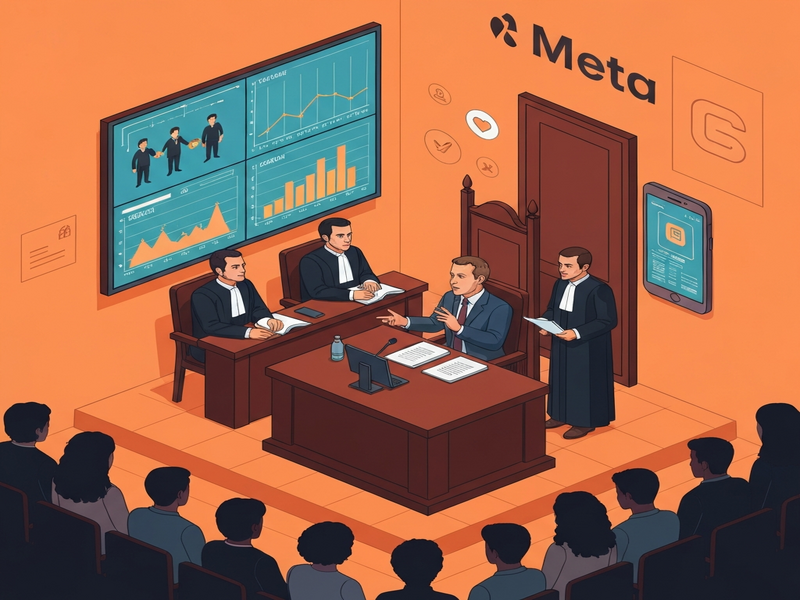
Mark Zuckerberg testified in Los Angeles Superior Court, acknowledging that Meta’s internal research shows teen social‑media addiction is real and that parental supervision alone cannot curb compulsive use.
Zuckerberg’s Court Testimony Highlights Teen Social Media Harms in Landmark Meta Lawsuit
In a high‑stakes hearing on February 19, 2026, Meta CEO Mark Zuckerberg faced rigorous questioning about the addictive design of Instagram and Facebook. The testimony, part of a broader social‑media regulation battle, centered on internal studies that link platform features to increased screen time among teenagers.
Background: The Los Angeles Trial and Meta’s Legal Challenges
The case, filed by a 20‑year‑old plaintiff known as KGM (Kaley), alleges that Meta’s apps are designed to be habit‑forming and cause measurable harm to minors. The trial, held in Los Angeles Superior Court, follows similar lawsuits against TikTok and Snap, which settled before the proceedings began. Meta, meanwhile, argues that external factors—such as users’ personal histories—drive problematic usage, not the platforms themselves.
Meta’s legal team has repeatedly cited the company’s own research, which suggests that “parental supervision does not significantly reduce compulsive use” among teens. This admission has amplified calls for stricter oversight and could set a precedent for future enterprise AI platform compliance standards.
Key Evidence: Internal Research on Teen Addiction
During the hearing, prosecutors presented a series of internal Meta documents, including a 2015 email chain where Zuckerberg urged teams to increase daily user time by 12 %. The documents also revealed:
- Internal estimates that 4 million children under 13 had Instagram accounts as of 2015, representing roughly 30 % of U.S. users aged 10‑12.
- Findings that teens who experienced traumatic events were more likely to engage in compulsive scrolling.
- Recommendations from Meta’s own experts to ban beauty filters for teenage users, citing mental‑health concerns.
These revelations underscore a pattern: Meta not only recognized the risks but also pursued growth metrics that directly conflicted with user well‑being.
Legal Arguments: Plaintiff vs. Defense
Plaintiff’s stance: Kaley’s attorneys argue that Meta’s design choices—such as infinite scroll, algorithmic content amplification, and targeted notifications—create a “psychological hook” that exploits adolescent brain development. They cite the internal research as proof that Meta was aware of these harms yet prioritized engagement.
Meta’s defense: The company contends that the plaintiff’s personal circumstances, including a difficult childhood, are the primary drivers of her mental‑health issues. Meta also points to industry‑wide efforts, like Apple’s new age‑verification tools, as evidence of a collaborative approach to protecting minors.
Both sides referenced the AI marketing agents that power content recommendation, arguing that algorithmic transparency is essential for accountability.
Potential Regulatory Implications
If the jury finds Meta liable, the decision could trigger a cascade of regulatory actions:
- Federal legislation mandating age‑verification APIs for all social platforms.
- State‑level “digital‑wellness” statutes requiring transparent design disclosures.
- Increased scrutiny of AI‑driven recommendation engines, potentially leading to new partner‑program standards for responsible AI.
Industry analysts predict that the outcome will shape how tech firms integrate OpenAI ChatGPT integration and other generative AI tools into user‑facing products, balancing engagement with ethical safeguards.
Expert Commentary: What the Tech Community Is Saying
Dr. Elena Martinez, a child‑psychology researcher at Stanford, noted: “The evidence presented aligns with decades of research on dopamine‑driven reward loops in adolescents. Platforms that exploit these loops without safeguards are effectively weaponizing neurobiology.”
Meanwhile, About UBOS’s AI ethics team emphasizes the need for “transparent AI pipelines.” They point to the Chroma DB integration as a model for storing and auditing user‑interaction data in a privacy‑first manner.
From a business perspective, the trial highlights a growing market for compliance‑focused AI solutions. Companies like UBOS are already offering tools such as the Workflow automation studio to help enterprises audit content recommendation workflows and ensure they meet emerging regulations.
For a full transcript of the testimony and additional courtroom details, see the original report on TechCrunch.
Related UBOS Resources
If you’re a parent, educator, or policy maker looking for practical tools to monitor and mitigate teen screen time, explore these UBOS solutions:
- UBOS solutions for SMBs – customizable dashboards for tracking employee and family digital habits.
- UBOS templates for quick start – pre‑built workflows for content moderation and age‑verification.
- AI SEO Analyzer – ensures your educational content complies with search‑engine guidelines while staying privacy‑aware.
- AI Article Copywriter – helps create balanced, evidence‑based articles on digital well‑being.
- AI Video Generator – produce engaging video briefs for school assemblies on safe social‑media practices.
What You Can Do Next
The Zuckerberg testimony underscores a pivotal moment in the fight against teen social‑media addiction. Here are actionable steps you can take today:
- Review your family’s digital habits using tools like the Web app editor on UBOS to build custom monitoring dashboards.
- Advocate for transparent algorithm disclosures at your local school board or community forum.
- Leverage AI‑driven analytics (e.g., AI YouTube Comment Analysis tool) to understand the sentiment of content your teen consumes.
- Explore the UBOS partner program if you represent an educational institution seeking AI‑enhanced safety solutions.
By staying informed and employing responsible technology, we can help shape a digital environment where teens thrive rather than become victims of addictive design.