

- Updated: March 26, 2026
- 7 min read
Kentucky Farmer Rejects $26 Million AI Data Center Offer for Her Farm
An 82‑year‑old Kentucky farmer, Ida Huddleston, rejected a $26 million AI data‑center proposal to protect her 1,200‑acre family farm.
Meta description: Kentucky farmer Ida Huddleston turns down a $26 million AI data‑center offer, sparking debate over rural AI projects, environmental impact, and economic promises.
Background on Ida Huddleston and Her Farm
Ida Huddleston, now 82, is the third generation steward of a 1,200‑acre mixed‑crop and livestock farm just outside Maysville, Kentucky. The Huddleston family has cultivated corn, soybeans, and raised heritage‑breed cattle since the 1920s, relying on a combination of traditional practices and modest modern technology. Over the decades, the farm has survived the Great Depression, the 1970s oil crisis, and recent climate‑related challenges, earning a reputation for resilience in the local community.
Beyond the fields, Ida is an active member of the Mason County Farm Bureau and frequently mentors younger farmers on sustainable soil management. Her deep connection to the land is reflected in the family’s motto, “Our soil, our future,” a phrase that now frames the debate over the AI data‑center proposal.
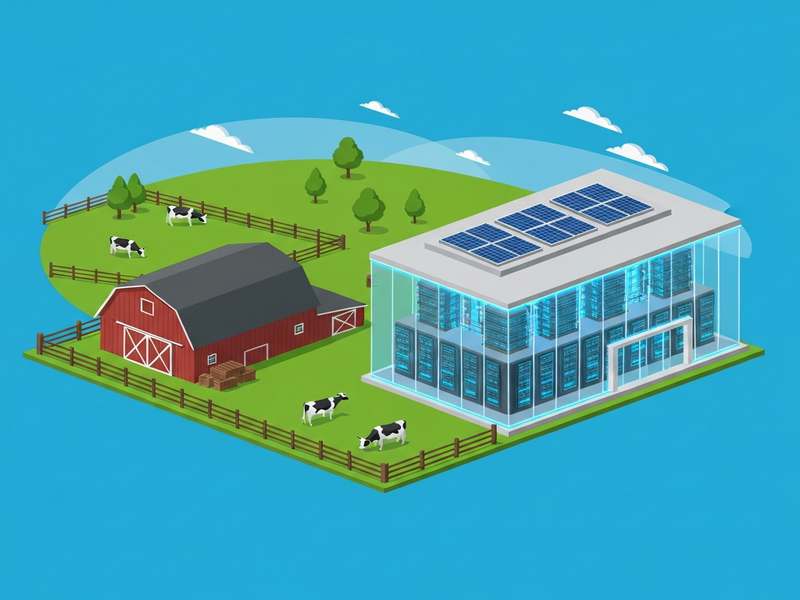
For a visual sense of the property, see the image below:
The $26 Million AI Data‑Center Proposal
Who Made the Offer?
A confidential “major artificial‑intelligence company” approached the Huddleston family in early 2026 with a proposal to purchase a 200‑acre parcel of their land for a next‑generation AI data‑center. While the company’s name was not disclosed in local reports, industry analysts suspect it is one of the emerging AI infrastructure firms seeking to expand beyond traditional cloud‑provider footprints.
Financial Details and Zoning Plans
The offer totaled $26 million, a figure that dwarfs the average farm sale price in the region (approximately $5,000 per acre). In addition to the cash payment, the company promised to fund local road improvements and create “high‑skill” jobs, a claim that quickly became a point of contention.
Simultaneously, the firm filed a zoning amendment request to reclassify more than 2,000 acres of northern Kentucky from agricultural to industrial use. This move signaled a broader ambition to cluster multiple data‑center sites in the area, potentially affecting neighboring farms even if Huddleston’s parcel remained untouched.
Why the Farmer Said No: Concerns and Direct Quotes
Ida’s refusal was not a spontaneous reaction; it was the culmination of years of observing how large‑scale projects can alter rural ecosystems. In a candid interview with WKRC’s Local 12, she explained:
“They call us old stupid farmers, you know, but we’re not. We know whenever our food is disappearing, our lands are disappearing, and we don’t have any water — and that poison. Well, we know we’ve had it.”
Her concerns can be grouped into three core categories:
- Environmental Impact: Data‑centers consume massive amounts of electricity and water for cooling. Recent studies have linked such facilities to groundwater depletion and increased local temperatures.
- Economic Skepticism: Ida doubted the promised “high‑skill” jobs, noting that similar projects in neighboring states often resulted in temporary construction work followed by long‑term automation.
- Community Integrity: The Huddleston farm is a cultural landmark. Turning part of it over to a corporate data‑center would, in her view, erode the rural character of Mason County.
Community and Expert Reactions
The decision sparked a lively debate among local residents, policymakers, and technology experts. Below is a snapshot of the most common viewpoints:
- Local Farmers: Many echoed Ida’s concerns, fearing a domino effect that could pressure other landowners to sell.
- Economic Development Officials: County officials highlighted the potential tax revenue and infrastructure upgrades, arguing that the offer could revitalize a region still recovering from the 2020 pandemic downturn.
- Environmental Scientists: Researchers from the University of Kentucky warned that the proposed cooling system could strain the Ohio River watershed, especially during summer droughts.
- Tech Industry Analysts: Some saw the rejection as a signal that AI firms must engage more transparently with rural stakeholders, suggesting community‑benefit agreements as a possible compromise.
One analyst from AI news noted that “the Huddleston case illustrates the growing friction between AI infrastructure expansion and agricultural preservation, a tension that will shape policy for years to come.”
Implications for AI Data‑Center Development in Rural Areas
The Huddleston episode is more than a local story; it reflects a national trend where AI companies target inexpensive, low‑density land for massive compute clusters. The following implications deserve close attention:
Environmental Risks
Data‑centers typically require 1–2 MW of power per 10,000 sq ft and up to 1.5 million gallons of water per day for cooling. In regions already facing water scarcity, such demand can exacerbate drought conditions. Moreover, the heat generated can create micro‑climates that affect nearby crops.
Economic Realities
While the headline‑grabbing cash offers are attractive, the long‑term economic benefits are often limited. A 2025 study by the Rural Economic Institute found that only 12 % of jobs created by data‑center projects remain after the construction phase, with most positions filled by out‑of‑state specialists.
Policy and Zoning Considerations
Local governments must balance the lure of tax revenue against the preservation of agricultural land. The Data centers page on UBOS outlines best‑practice zoning frameworks that protect water resources while allowing limited, low‑impact compute facilities.
UBOS itself offers tools that can help municipalities model these trade‑offs. For instance, the Chroma DB integration enables real‑time environmental data ingestion, allowing planners to simulate cooling‑water usage under various climate scenarios.
What This Means for the Future of AI Infrastructure
Ida Huddleston’s stand may inspire a new wave of community‑first negotiations. Companies seeking to build AI data‑centers in rural America will likely need to:
- Offer transparent, legally binding community benefit agreements.
- Invest in renewable‑energy sources that reduce reliance on local water supplies.
- Collaborate with local universities to conduct independent environmental impact assessments.
- Leverage platforms like the Enterprise AI platform by UBOS to monitor and optimize resource consumption in real time.
These steps could turn a potential conflict into a partnership, aligning AI’s exponential growth with the stewardship values of America’s farming heartland.
Conclusion and Future Outlook
Ida Huddleston’s refusal of a $26 million AI data‑center proposal underscores a critical crossroads: the rapid expansion of AI infrastructure versus the preservation of rural ecosystems and economies. While the immediate financial gain was substantial, the long‑term costs—environmental, cultural, and social—proved too high for the Huddleston family.
For policymakers, developers, and technology leaders, the lesson is clear: success in rural AI projects will depend on genuine community engagement, rigorous environmental safeguards, and transparent economic promises. As AI continues to reshape every sector, the story of a Kentucky farmer may become a template for how we negotiate the future of data‑center placement across the United States.
Looking ahead, UBOS is positioned to support both developers and communities through its suite of AI‑ready tools. From the Web app editor on UBOS that lets local governments build custom permitting portals, to the Workflow automation studio that streamlines compliance reporting, the platform offers a bridge between high‑tech ambition and grassroots stewardship.
For readers interested in exploring AI‑driven solutions that respect local values, the UBOS templates for quick start provide ready‑made blueprints for sustainable data‑center planning, while the UBOS partner program invites collaboration between tech firms and community leaders.
As the conversation evolves, one thing remains certain: the voice of an 82‑year‑old farmer can echo louder than any corporate press release, reminding us that progress must be measured not just in dollars, but in the health of the land and the people who tend it.
Read the original TechCrunch coverage for more details: TechCrunch article.
Andrii Bidochko
CTO UBOS
Andrii Bidochko is an AI entrepreneur and researcher focused on AI agents, reinforcement learning, and autonomous systems. He writes about the technologies shaping the future of machine intelligence, from frontier models and agent architectures to real-world AI applications.