

- Updated: January 17, 2026
- 5 min read
Google Wallet vs Samsung Wallet: Major Android Security Flaw Exposes Payment Tokens
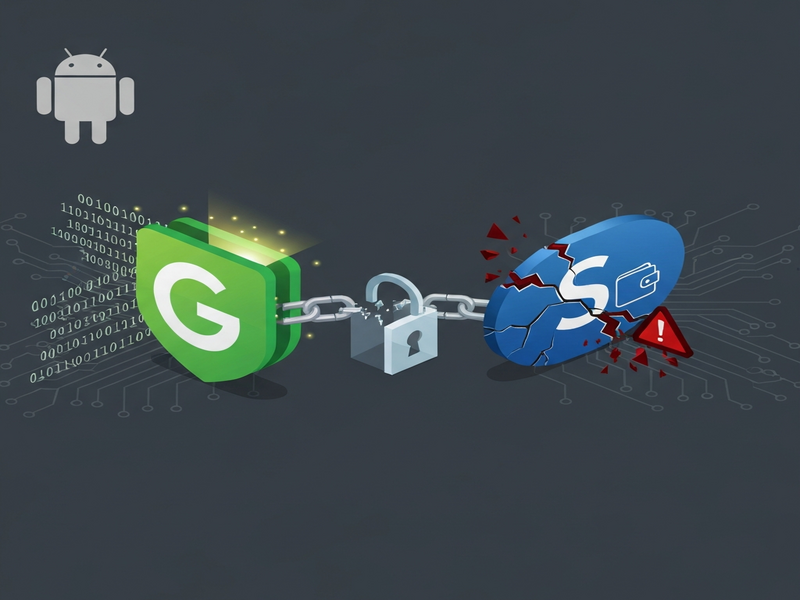
Google Wallet and Samsung Wallet both suffered a critical security flaw that allowed malicious apps to read and manipulate payment data, exposing one of Android’s biggest cracks in its mobile‑payment ecosystem.
Why this security breach matters
In early 2026, security researchers uncovered a vulnerability that affected the two most popular digital wallets on Android—Google Wallet and Samsung Wallet. The flaw, rooted in how these apps handle inter‑process communication (IPC), could let a rogue application intercept transaction tokens, potentially enabling unauthorized purchases or data theft. This discovery has sent shockwaves through the Android community, prompting urgent patches and a broader conversation about the security of mobile payments.
Google Wallet vulnerability explained
The Google Wallet issue stemmed from an improperly protected Intent that exposed the PendingIntent used for payment confirmation. When a malicious app registered for the same intent filter, it could hijack the token and either:
- Read the encrypted payment data.
- Trigger a payment without user consent.
- Manipulate the transaction amount before it reaches the merchant.
Google’s response was swift: a security patch rolled out to Android 14 and later, alongside a hardening of the intent‑filter registration process. However, devices that have not received the update remain vulnerable.
For developers looking to safeguard their own Android apps, the OpenAI ChatGPT integration can be leveraged to automatically scan code for insecure IPC patterns, reducing the risk of similar oversights.
Samsung Wallet findings
Samsung’s wallet suffered a parallel flaw, but the attack vector differed. Samsung Wallet used a BroadcastReceiver that inadvertently exposed the SecureElement token to any app with the READ_SMS permission. Attackers could then:
- Extract the token from the device’s secure element.
- Replay the token to complete fraudulent transactions.
- Combine the token with social engineering to bypass two‑factor checks.
Samsung issued a patch for its One UI 6.0 update and recommended users enable the “Secure Payment” toggle, which now enforces stricter permission checks.
Developers can use the Chroma DB integration to store and query security events, making it easier to detect anomalous token usage in real time.
Google Wallet vs. Samsung Wallet: A side‑by‑side comparison
| Aspect | Google Wallet | Samsung Wallet |
|---|---|---|
| Root cause | Unprotected Intent / PendingIntent | BroadcastReceiver with lax permissions |
| Potential impact | Unauthorized payment initiation, data leakage | Token replay, fraudulent purchases |
| Patch timeline | Android 14 (Mar 2026) | One UI 6.0 (Apr 2026) |
| User mitigation | Update OS, disable unknown sources | Enable “Secure Payment” toggle |
Impact on Android users and the broader ecosystem
The discovery underscores three critical realities for the Android ecosystem:
- Fragmentation risk: Not all devices receive updates simultaneously, leaving a large user base exposed.
- Trust erosion: Mobile‑payment users may hesitate to adopt new wallets after high‑profile breaches.
- Developer responsibility: Secure coding practices around IPC and permission handling are now non‑negotiable.
For enterprises that rely on mobile payments, the breach highlights the need for a unified security layer that can monitor and remediate threats across multiple wallet providers.
“A single weak link in the payment chain can compromise millions of transactions. The industry must move toward zero‑trust architectures for mobile finance.” – Android Security Analyst, 2026
Recommendations for users and developers
For end‑users
- Immediately update your device to the latest OS version.
- Only install apps from trusted sources (Google Play Store or Samsung Galaxy Store).
- Enable two‑factor authentication for all payment apps.
- Review app permissions regularly; revoke any that seem unnecessary.
For developers
- Adopt least‑privilege principles for intents and broadcast receivers.
- Utilize static analysis tools—such as the AI SEO Analyzer—to detect insecure IPC patterns.
- Implement runtime monitoring with Workflow automation studio to flag anomalous token usage.
- Consider integrating voice‑based verification via ElevenLabs AI voice integration for an extra security layer.
How UBOS can help you secure mobile payments
UBOS offers a suite of AI‑driven tools that make building and protecting digital wallets easier than ever:
- UBOS platform overview provides a low‑code environment to embed secure payment modules with built‑in permission checks.
- Leverage the AI Article Copywriter to generate compliance documentation automatically.
- Use the AI Video Generator to create user education videos on safe payment practices.
- For startups, the UBOS for startups program includes free security audits during the onboarding phase.
- SMBs can benefit from UBOS solutions for SMBs, which bundle payment security with analytics.
- Enterprises looking for a comprehensive approach can explore the Enterprise AI platform by UBOS, featuring real‑time threat detection and automated remediation.
All these tools integrate seamlessly with popular wallets, allowing you to patch vulnerabilities faster and maintain user trust.
Take action now
Don’t wait for the next patch—secure your mobile payment experience today. Visit the UBOS homepage to explore our security‑first solutions, or sign up for a free trial of the UBOS pricing plans that fit your needs.
For a deeper dive into the technical details, read the original investigation by Android Police:
Android Police – Google Wallet & Samsung Wallet expose one of Android’s biggest cracks