

- Updated: March 3, 2026
- 5 min read
Global Smartphone RAM Shortage Hits Xiaomi, Light, and TCL
The global RAM shortage is forcing smartphone makers—including Xiaomi, Light, and TCL—to rethink pricing, volume, and supply‑chain tactics, and the ripple effects will shape the entire mobile market for the next several years.
Why the RAM Crunch Matters Now
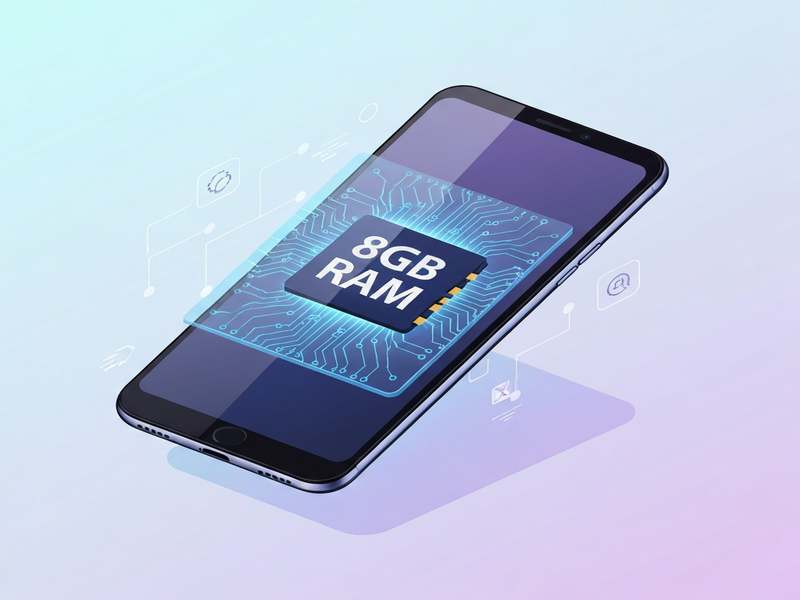
Memory chips have become the bottleneck of modern smartphones. A combination of geopolitical tensions, factory capacity limits, and soaring demand for AI‑enabled features has driven DRAM prices to historic highs. According to industry analysts, RAM now accounts for up to 30 % of a flagship phone’s bill of materials, up from roughly 15 % a few years ago. This surge is not just a cost issue—it directly limits the amount of RAM manufacturers can fit into devices, affecting performance, multitasking, and emerging AI workloads.
At Mobile World Congress 2026, executives from a range of brands confirmed that the shortage is “a universal challenge” that will likely push retail prices upward and force strategic compromises. For a deeper dive, see the original Verge article.
How the Shortage Hits Three Key Players
Xiaomi: Volume Over Price Cuts
Xiaomi’s latest 17 and 17 Ultra models launched in Europe at last year’s price points, a move the company hopes will preserve market share in the mid‑range segment. Angus Ng, Xiaomi’s director of communications, explained that the brand is betting on “bigger volumes” to dilute the cost impact:
“We can potentially go for bigger volumes, especially in the mid‑range and entry‑level segments, so then we can try to lower costs in that area.”
For startups watching Xiaomi’s playbook, the UBOS for startups guide offers a template for scaling production while keeping unit economics healthy.
Light: Unpredictable Ordering
Light, a newer entrant backed by Foxconn, described the RAM market as “trading stock.” CEO Kaiwei Tang noted that suppliers often reveal pricing only on the day of shipment, leaving Light with a binary “yes or no” decision that can jeopardize its entire production schedule.
“You can order memory, but they don’t tell you how much it costs until the day they ship. So it’s like trading stock.”
Companies looking to automate such volatile procurement processes can explore the Workflow automation studio to build custom alerts and decision trees.
TCL: A Unified Challenge
Stefan Streit, TCL’s European CMO, emphasized that the RAM crunch spares no brand. “It’s not like somebody is excluded from it. Everybody has to deal with this difficult problem,” he said, underscoring the industry‑wide nature of the issue.
TCL plans to offset higher component costs by bundling services and leveraging its own Enterprise AI platform by UBOS to improve supply‑chain forecasting.
Pricing Strategies and Industry Responses
With RAM prices fluctuating by up to 40 % month‑over‑month, manufacturers are experimenting with three primary tactics:
- Absorb Costs in Flagship Lines: Brands like Xiaomi keep flagship pricing stable while quietly reducing RAM capacity or shifting to lower‑cost suppliers.
- Pass‑Through to Consumers: Some mid‑range models are seeing price hikes of $30‑$50 to cover the memory premium.
- Volume‑Driven Discounts: Companies that can guarantee larger order volumes negotiate better terms, a strategy highlighted in the UBOS pricing plans case study.
For marketers, the RAM shortage creates a unique messaging opportunity. The AI marketing agents can dynamically adjust ad copy to reflect real‑time price changes, ensuring campaigns stay relevant without manual intervention.
Key Stakeholder Quotes and Insights
Beyond the three manufacturers, several industry observers offered perspective:
- Analyst – IDC
- “RAM shortages will shave roughly 5‑7 % off global smartphone shipments in 2026 unless supply stabilizes by Q4.”
- Supply‑Chain Consultant – About UBOS
- “Predictive analytics, powered by AI, are the only way to mitigate the ‘stock‑trading’ nature of memory procurement.”
Future Outlook for Smartphone RAM Supply
Looking ahead, three trends are likely to shape the RAM landscape:
- New Fabrication Plants: Taiwan’s TSMC and Samsung have announced additional DRAM fabs slated for 2027, which could ease capacity constraints.
- AI‑Optimized Memory Management: Software‑level solutions, such as on‑device AI that dynamically allocates memory, will reduce the need for larger physical RAM.
- Alternative Architectures: Emerging LPDDR6 chips promise higher bandwidth at lower power, but they will not be mass‑produced until 2028.
Enterprises seeking to future‑proof their device strategies can explore the UBOS platform overview, which includes modules for hardware forecasting and AI‑driven inventory optimization.
What You Can Do Right Now
If you’re a tech enthusiast, smartphone buyer, or analyst, consider the following steps:
- Monitor UBOS tech news for real‑time updates on memory pricing.
- Leverage the UBOS templates for quick start to build custom dashboards that track RAM inventory across suppliers.
- Experiment with AI‑powered tools like the AI SEO Analyzer to gauge how search trends around “RAM shortage” evolve.
- Explore the AI Article Copywriter for generating timely content that keeps your audience informed.
Conclusion
The RAM shortage is reshaping the smartphone ecosystem, forcing manufacturers to balance cost, performance, and supply‑chain resilience. While the immediate impact may be higher prices and tighter specs, the longer‑term response—greater AI integration, smarter procurement, and new memory technologies—promises a more adaptable market.
Stay ahead of the curve by tapping into UBOS’s ecosystem:
- Visit the UBOS homepage for the latest platform updates.
- Join the UBOS partner program to collaborate on supply‑chain AI solutions.
- Explore real‑world success stories in the UBOS portfolio examples and see how other companies are navigating component shortages.
By understanding the dynamics of the RAM crunch today, you’ll be better positioned to make informed purchasing decisions and strategic investments for tomorrow’s mobile landscape.
Andrii Bidochko
CTO UBOS
Andrii Bidochko is an AI entrepreneur and researcher focused on AI agents, reinforcement learning, and autonomous systems. He writes about the technologies shaping the future of machine intelligence, from frontier models and agent architectures to real-world AI applications.