

- Updated: December 29, 2025
- 6 min read
EU Launches No‑Fee Digital Euro Payment Service – A Visa Alternative
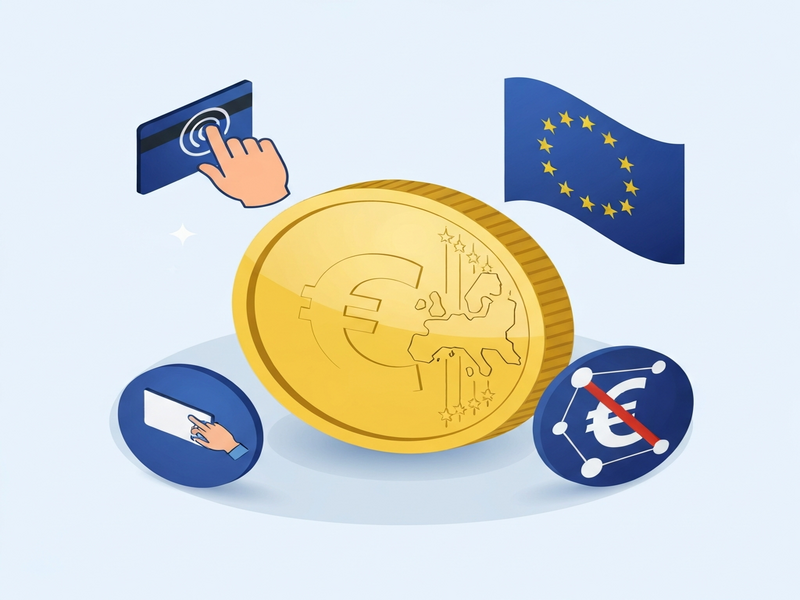
The European Union is set to launch a **no‑fee digital euro payment service** that will sit side‑by‑side with Visa, Mastercard, Apple Pay and Google Pay, giving consumers and merchants a free, EU‑controlled alternative for everyday transactions.
What is the digital euro and why does it matter?
The digital euro is a central‑bank digital currency (CBDC) issued by the European Central Bank (ECB) that will complement cash, not replace it. It lives in a secure wallet on a smartphone or other device, enabling instant, 24/7 payments across the eurozone. Unlike private‑sector e‑money, the digital euro is backed by the ECB, guaranteeing the same legal tender status as banknotes and coins.
For tech‑savvy Europeans, the digital euro promises a frictionless experience: no need for a traditional bank account, no foreign‑exchange fees when traveling within the EU, and a transparent, auditable ledger that protects privacy while preventing fraud. As the original Independent article explains, the rollout is slated for early 2029, but the groundwork is already being laid today.
EU’s plan for a no‑fee payment service
The ECB’s strategy hinges on three pillars:
- Zero transaction fees: Merchants and consumers will pay nothing for each digital euro payment, removing the cost burden that currently fuels the dominance of private card networks.
- Open‑access architecture: The service will be built on open standards, allowing any licensed payment provider, fintech, or even a small retailer to integrate the digital euro without paying licensing royalties.
- Interoperability with existing wallets: Users can link their digital euro wallet to popular mobile payment apps, making the transition seamless.
To achieve this, the ECB is partnering with a coalition of European fintech firms, payment processors, and technology platforms. The goal is to create a “European payment rail” that rivals the proprietary networks of Visa and Mastercard while preserving the EU’s regulatory sovereignty.
How the service will work in practice
When you open a digital euro wallet, you’ll receive a unique cryptographic identifier linked to your identity (or remain pseudonymous, depending on the chosen privacy level). Funds are transferred instantly from your bank account or a prepaid top‑up, and each purchase is settled in real time on the ECB’s distributed ledger.
Because the ledger is maintained by the central bank, settlement risk is virtually eliminated. Merchants receive the funds instantly, and there is no need for the traditional “authorization‑capture‑settlement” cycle that adds latency and fees to card payments.
Digital euro vs. Visa, Mastercard, Apple Pay & Google Pay
The following table highlights the key differentiators:
| Feature | Digital Euro (EU) | Visa / Mastercard | Apple Pay / Google Pay |
|---|---|---|---|
| Issuer | European Central Bank (public) | Private banks & networks | Private tech firms (Apple, Google) |
| Transaction fee | Zero | 0.1‑3 % per transaction | Typically 0‑0.5 % (depends on card issuer) |
| Settlement time | Instant (seconds) | 1‑3 days (batch settlement) | Instant to minutes (depends on bank) |
| Regulatory oversight | ECB & national regulators | Mixed (national & global) | Mixed (tech & banking regulators) |
| Data privacy | EU‑mandated privacy standards | Varies by issuer, often data‑selling | Depends on device ecosystem |
Benefits for consumers and merchants
Both sides stand to gain from a fee‑free, EU‑backed payment rail:
- Cost savings: Merchants keep the full sale amount, which can be passed on as lower prices for shoppers.
- Speed and certainty: Real‑time settlement eliminates cash‑flow gaps for small businesses.
- Financial inclusion: Users without traditional bank accounts can still participate via prepaid digital euro wallets.
- Data sovereignty: Transaction data stays within EU jurisdiction, reducing exposure to foreign surveillance.
- Innovation boost: Open APIs invite startups to build value‑added services—think loyalty programs, AI‑driven spend analytics, or instant micro‑credit.
What EU officials say
“A no‑fee digital euro payment service is essential for a truly competitive European payments market. It will empower citizens, protect their data, and ensure that Europe is not dependent on non‑EU payment giants.” – ECB Executive Board Member, 2024
How businesses can prepare today
While the digital euro rollout is still a few years away, forward‑thinking companies can start building the infrastructure needed to accept it now. UBOS offers a suite of tools that make integration fast, secure, and cost‑effective.
- Explore the UBOS platform overview to understand how its low‑code environment can host a digital euro wallet.
- Leverage the Workflow automation studio to automate compliance checks and settlement reporting.
- Use the Web app editor on UBOS to create a branded checkout experience in minutes.
- Check out the UBOS templates for quick start, including a ready‑made “Digital Payments” template.
- Scale your operations with the Enterprise AI platform by UBOS, which can power AI‑driven fraud detection for digital euro transactions.
- Take advantage of AI marketing agents to personalize offers based on real‑time spend data.
- Review the UBOS pricing plans to find a cost‑effective tier for your business size.
- Browse real‑world success stories in the UBOS portfolio examples to see how other merchants have integrated new payment methods.
- Join the UBOS partner program for co‑marketing and technical support.
For startups looking for a rapid go‑to‑market, the UBOS for startups page outlines a sandbox environment where you can test digital euro APIs without any upfront fees.
SMBs can also benefit from the UBOS solutions for SMBs, which include pre‑built connectors to major banking APIs and compliance modules.
Need a concrete AI tool to analyze your new transaction data? Try the AI SEO Analyzer to optimize your online store’s visibility, or the AI Article Copywriter for creating engaging product descriptions that highlight the benefits of paying with the digital euro.
Finally, if you want to experiment with conversational interfaces, the AI Chatbot template can be customized to answer customer questions about the digital euro in real time.
Conclusion
The EU’s no‑fee digital euro payment service is more than a technical upgrade; it is a strategic move to reclaim sovereignty over the continent’s payments ecosystem. By eliminating transaction fees, guaranteeing instant settlement, and enforcing EU‑centric data protection, the digital euro promises a fairer, more inclusive marketplace for both consumers and merchants.
For businesses ready to ride the wave, the time to act is now. Leveraging platforms like UBOS can give you a head start, ensuring you’re prepared to accept the digital euro the moment it goes live. Stay ahead of the curve, protect your margins, and offer your customers the future of cash—today.