

- Updated: April 24, 2025
- 4 min read
Ethical Challenges in the Age of AI: The Rise of Cheating Tools
Cheating in the Age of AI: Navigating Ethical Quandaries
The advent of artificial intelligence (AI) has revolutionized numerous facets of our daily lives, from automating mundane tasks to enhancing decision-making processes. However, as AI continues to evolve, it has also introduced new ethical dilemmas, particularly concerning the concept of cheating. In today’s digital age, where AI tools are easily accessible, defining what constitutes cheating has become increasingly complex.
The Rise of Cluely: A Startup with Controversial Roots
Recently, a startup named Cluely has made headlines for its controversial approach to AI technology. Cluely, co-founded by Columbia University student Roy Lee and Neel Shanmugam, developed a tool aimed at assisting individuals in cheating during engineering interviews. This bold move led to Lee’s suspension from Columbia University, sparking a heated debate about the ethical implications of such technologies.
Cluely’s journey from a mere idea to a funded startup highlights the growing interest and investment in AI-driven solutions. While their tool was initially designed for engineering interviews, its potential applications extend far beyond, raising questions about the ethical boundaries of AI usage in various domains.
Ethical Consequences: The Columbia University Case
Roy Lee’s suspension from Columbia University serves as a stark reminder of the ethical challenges posed by AI technologies. The university’s decision underscores the importance of maintaining academic integrity in an era where AI tools can easily blur the lines between genuine effort and automated assistance.
For students like Lee, the allure of AI-driven shortcuts can be tempting, but the long-term repercussions on their academic and professional careers can be severe. Educational institutions worldwide are grappling with similar issues, striving to strike a balance between embracing technological advancements and upholding ethical standards.
The Role of AI in Education and Employment
AI’s impact on education and employment is profound. In educational settings, AI can enhance learning experiences, provide personalized feedback, and streamline administrative tasks. However, its misuse, as demonstrated by Cluely, can undermine the very essence of education.
In the employment sector, AI tools are increasingly used for recruitment, training, and performance evaluation. While these technologies can improve efficiency and accuracy, they also pose ethical challenges. Employers must ensure that AI-driven processes are transparent, unbiased, and aligned with ethical standards.
For businesses looking to harness AI responsibly, platforms like the UBOS homepage offer a comprehensive overview of AI solutions tailored to various industries. Their Enterprise AI platform by UBOS is designed to help organizations integrate AI ethically and effectively.
Responsibilities of Tech Developers
As AI technologies become more sophisticated, the onus is on tech developers to ensure that their creations are ethically sound. Developers must prioritize transparency, fairness, and accountability in their AI solutions. This involves rigorous testing, continuous monitoring, and a commitment to addressing biases and inaccuracies.
Moreover, developers should collaborate with ethicists, educators, and policymakers to establish guidelines that promote responsible AI usage. By fostering a culture of ethical AI development, the tech industry can mitigate potential risks and maximize the benefits of AI innovations.
Conclusion: Emphasizing Ethical Considerations
In conclusion, the rise of AI technologies presents both opportunities and challenges. While AI can significantly enhance various aspects of our lives, it also necessitates a reevaluation of ethical standards. The case of Cluely and Roy Lee highlights the need for clear guidelines and robust discussions about the role of AI in modern society.
As we continue to integrate AI into education, employment, and other domains, it is crucial to prioritize ethical considerations. By doing so, we can harness the full potential of AI while safeguarding the values and principles that underpin our society.
For those interested in exploring the ethical implications of AI further, the Role of AI chatbots in IT’s future provides valuable insights into the evolving landscape of AI technologies.
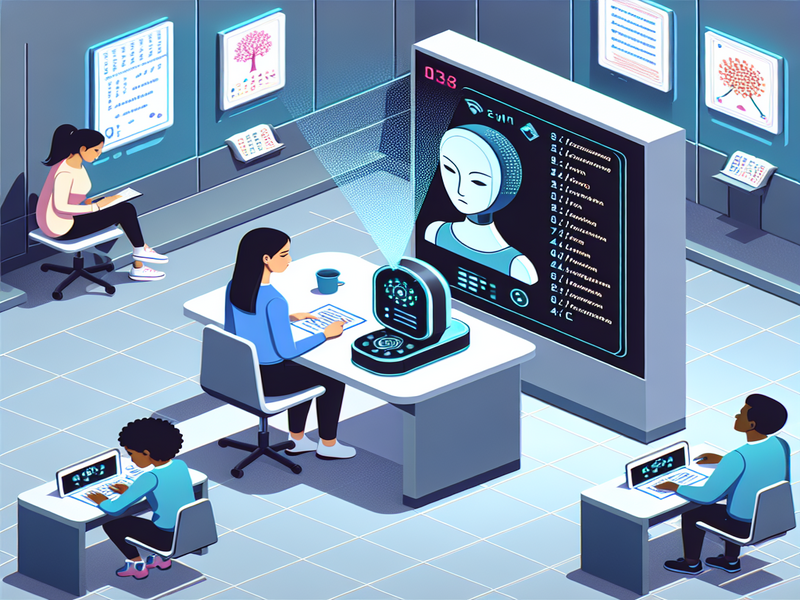
As AI continues to shape the future, it is our collective responsibility to ensure that its integration into society is guided by ethical principles. By fostering a culture of transparency, accountability, and fairness, we can pave the way for a future where AI serves as a force for good.
For more information on how AI is transforming various industries, visit the UBOS platform overview and explore the wide range of AI solutions available.
Andrii Bidochko
CTO UBOS
Andrii Bidochko is an AI entrepreneur and researcher focused on AI agents, reinforcement learning, and autonomous systems. He writes about the technologies shaping the future of machine intelligence, from frontier models and agent architectures to real-world AI applications.