

- Updated: March 4, 2026
- 5 min read
Apple Unveils the New MacBook Neo: AI‑Powered Performance and Sustainable Design
The Apple MacBook Neo is a 13‑inch, AI‑optimized laptop that launches on March 11, offering up to 16 hours of battery life, a vibrant Liquid Retina display, and the new A18 Pro chip with built‑in Apple Intelligence.
Why the MacBook Neo matters for tech enthusiasts
Apple’s latest entry into the ultra‑portable market targets professionals who need on‑device AI without sacrificing performance or design. By embedding Apple Intelligence directly into the silicon, the MacBook Neo can summarize notes, generate code snippets, and create graphics in real time—all while keeping your data private.
For developers and marketers alike, this shift signals a new era where AI becomes a native productivity partner rather than a third‑party add‑on.
Design and color options
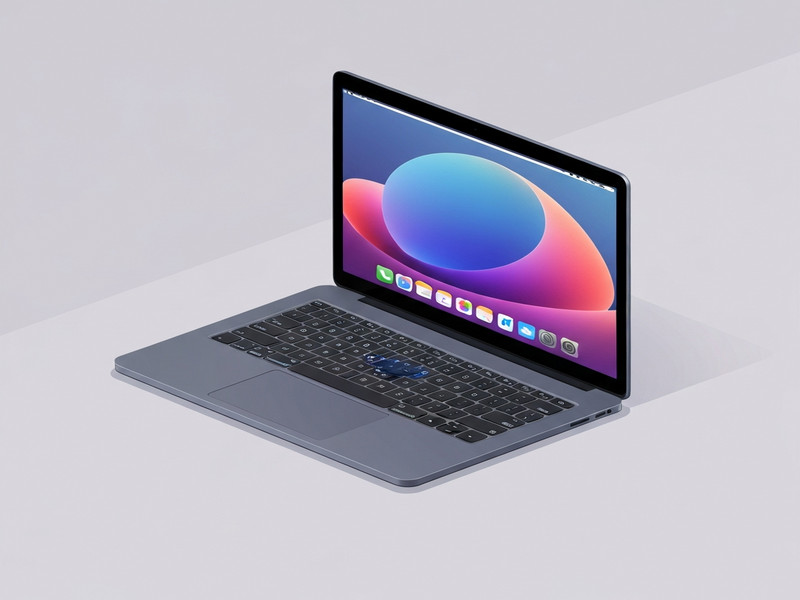
The MacBook Neo continues Apple’s tradition of minimalist aesthetics while introducing four fresh finishes:
- Silver – classic, professional look.
- Blush – a soft pink hue aimed at creative users.
- Citrus – vibrant orange for a bold statement.
- Indigo – deep blue for a sleek, modern vibe.
All models feature a unibody chassis crafted from 100% recycled aluminum, reinforcing Apple’s commitment to sustainability.
Apple also adds a new Lock Key variant that replaces Touch ID with a physical key for users who prefer tactile security.
Performance specs and AI integration
The heart of the MacBook Neo is the A18 Pro chip, a 6‑core CPU (2 performance, 4 efficiency) paired with a 16‑core GPU. This architecture delivers:
| Specification | Detail |
|---|---|
| CPU | 6‑core (2P + 4E) – up to 3.2 GHz |
| GPU | 16‑core Apple‑designed |
| Neural Engine | 16‑core, 15 TOPS for on‑device AI |
| Memory | 8 GB or 16 GB unified RAM |
| Storage | 256 GB‑2 TB SSD options |
Apple Intelligence leverages the on‑device Neural Engine for tasks such as:
- Real‑time summarization of documents.
- Code generation and debugging assistance.
- Creative content suggestions (copy, images, music).
Because the AI processing stays on the Mac, privacy‑first users can enjoy powerful assistance without data ever leaving the device.
Developers looking to extend these capabilities can explore OpenAI ChatGPT integration on the UBOS platform, which demonstrates how third‑party LLMs can be securely orchestrated alongside Apple’s native AI.
Battery life and display features
The MacBook Neo promises up to 16 hours of web browsing or video playback on a single charge, thanks to the efficiency gains of the A18 Pro and a 58.2 Wh battery.
The 13‑inch Liquid Retina display offers:
- 3024 × 1964 native resolution (226 ppi).
- 1 billion colors and 500 nits of brightness.
- True Tone and ProMotion (120 Hz) for fluid scrolling.
For creators, the display supports AI Video Generator templates that can render directly to the screen, making on‑the‑go video editing a realistic workflow.
macOS capabilities and iPhone continuity
Running macOS 14, the Neo integrates tightly with the iPhone ecosystem:
- Universal Clipboard – copy on iPhone, paste on Mac.
- AirDrop – instant file sharing without Wi‑Fi.
- Handoff – start an email on the Mac, finish on the iPhone.
- iPhone Mirroring – use the iPhone screen as a secondary display.
These features are especially valuable for remote teams that rely on seamless device switching.
For businesses that need custom AI workflows, the Workflow automation studio on UBOS lets you design drag‑and‑drop pipelines that call Apple Intelligence APIs, bridging the gap between macOS and enterprise data sources.
Pricing, purchasing options, and availability
Pre‑orders for the MacBook Neo begin on March 11. Apple offers three storage tiers and two memory configurations, with prices ranging from $1,299 for the base 256 GB model to $2,199 for the fully‑spec’ed 2 TB/16 GB version.
Buyers can choose from several financing options:
- Apple Card Monthly Installments (0% APR).
- Trade‑in credit for eligible older Macs.
- Education pricing for students and faculty (up to 10% off).
Delivery is available within two business days for most U.S. zip codes, with free two‑hour pickup at Apple Stores for members of the UBOS partner program who have opted into the Apple Business Partner network.
Environmental initiatives
Apple continues its carbon‑neutral roadmap with the MacBook Neo:
- 60% recycled material by weight in the enclosure.
- 45% renewable electricity used in manufacturing.
- 100% fiber‑based packaging that is compostable.
- Goal to reach net‑zero emissions across the entire supply chain by 2030.
Companies that prioritize sustainability can showcase the Neo as part of their green‑tech portfolio, especially when paired with UBOS’s About UBOS sustainability page, which outlines similar carbon‑reduction commitments.
Conclusion
The MacBook Neo positions itself as the most AI‑centric laptop Apple has ever released, delivering a blend of performance, privacy, and design that appeals to both developers and creative professionals. Its seamless continuity with iPhone, long‑lasting battery, and on‑device AI make it a compelling choice for anyone looking to future‑proof their workflow.
If you’re evaluating how AI can accelerate your business, explore the AI marketing agents on UBOS, or check out the UBOS platform overview for a low‑code environment that can integrate directly with Apple Intelligence.
Start building your next AI‑enhanced application today with the Web app editor on UBOS, and leverage ready‑made templates like the AI Article Copywriter to generate content at scale.
Whether you’re a startup, an SMB, or an enterprise, the MacBook Neo’s capabilities align with the broader trend of AI‑first hardware. Pair it with UBOS’s Enterprise AI platform by UBOS to unlock new levels of automation and insight.
Ready to experience the future? Visit the UBOS homepage for more resources, pricing details, and a showcase of real‑world AI implementations.
Andrii Bidochko
CTO UBOS
Andrii Bidochko is an AI entrepreneur and researcher focused on AI agents, reinforcement learning, and autonomous systems. He writes about the technologies shaping the future of machine intelligence, from frontier models and agent architectures to real-world AI applications.