

- Updated: November 12, 2025
- 4 min read
Apple Launches Web‑Based App Store for iPhone, iPad, and Mac
Apple’s Web-Based App Store: A New Era of App Discovery
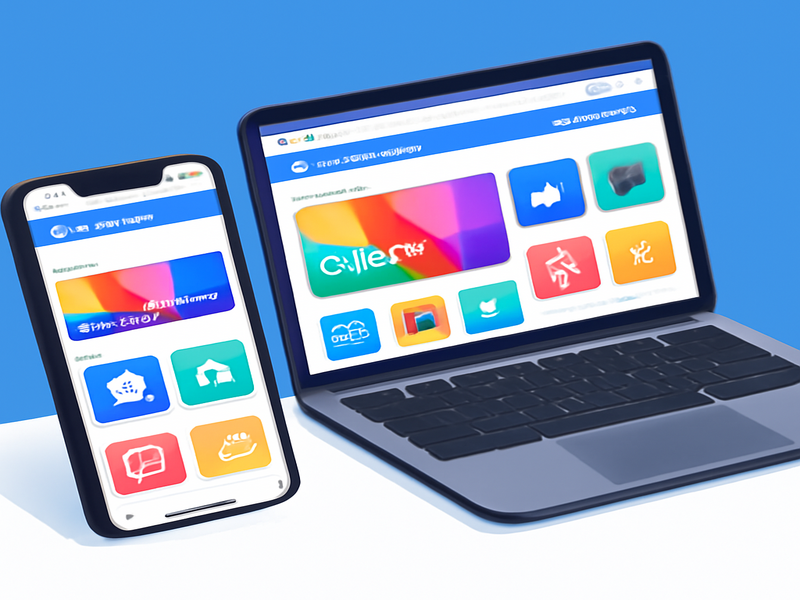
Apple has taken a significant step forward in enhancing the app discovery experience by launching its web-based App Store. This new platform offers users a centralized hub to explore apps across various Apple devices, including the iPhone, iPad, Mac, Vision Pro, Apple Watch, and Apple TV. However, while this development marks a notable shift, it comes with certain limitations that users and developers should be aware of.
Overview of Apple’s Web-Based App Store Launch
Apple’s decision to bring the App Store to the web is a strategic move aimed at enhancing accessibility and improving user experience. The web-based App Store serves as a comprehensive portal where users can browse through different categories, such as productivity, entertainment, and adventure. This move aligns with Apple’s ongoing efforts to create a seamless ecosystem for its users, allowing them to explore and discover apps more efficiently.
Key Features and Limitations
One of the standout features of the web-based App Store is its ability to provide device-specific listings. Users can effortlessly switch between listings for their iPhone, iPad, Mac, and other Apple devices. However, a significant limitation is the inability to download apps directly from the web-based platform. Instead, users are redirected to the App Store installed on their devices to complete the installation process.
Additionally, the web-based App Store offers recommendations through the Today tab, allowing users to explore curated content easily. Despite these advantages, the lack of direct download capability may be a drawback for some users who prefer a more integrated experience.
Benefits for Users and Developers
For users, the web-based App Store provides a streamlined and user-friendly interface that simplifies app discovery. By offering a centralized platform, Apple has made it easier for users to find and explore apps across multiple devices. This development is particularly beneficial for tech-savvy consumers and Apple product owners who are always on the lookout for the latest apps and updates.
Developers, on the other hand, stand to gain increased visibility for their apps. With the web-based App Store, developers can reach a broader audience and showcase their apps to potential users more effectively. This enhanced visibility can lead to increased downloads and user engagement, ultimately benefiting developers in the competitive app market.
Comparison with Existing App Store Experience
While the web-based App Store offers a fresh approach to app discovery, it differs significantly from the traditional App Store experience. The lack of direct download capability is a notable distinction, as users must still rely on their devices to install apps. However, the web-based platform’s intuitive design and curated content provide a unique and engaging experience for users.
Moreover, the web-based App Store’s focus on accessibility and user experience aligns with Apple’s broader strategy of creating an integrated ecosystem. By offering a centralized hub for app discovery, Apple is enhancing the overall user experience and making it easier for users to explore new apps across their devices.
SEO-Rich Keywords Integration
Incorporating SEO-rich keywords is essential for optimizing the web-based App Store’s visibility and reach. Keywords such as “Apple web App Store,” “Apple app discovery,” “iPhone App Store web,” “Mac App Store online,” and “Apple ecosystem news” should be strategically integrated into the platform’s content to enhance search engine optimization. By doing so, Apple can attract a broader audience and increase the web-based App Store’s visibility in search engine results.
Internal Linking to Related UBOS Content
For those interested in exploring the latest innovations in AI and app development, the February product update on UBOS offers valuable insights. Additionally, the Generative AI in no-code development article provides an in-depth look at how AI is transforming the app development landscape. These resources offer a wealth of information for developers and tech enthusiasts looking to stay ahead of the curve.
Conclusion
Apple’s web-based App Store represents a significant step forward in enhancing app discovery and user experience. By providing a centralized platform for exploring apps across multiple devices, Apple is making it easier for users to find and engage with new content. While the lack of direct download capability is a limitation, the web-based App Store’s intuitive design and curated content offer a unique and engaging experience for users.
As Apple continues to innovate and expand its ecosystem, the web-based App Store is poised to become an integral part of the app discovery process. For developers, this platform offers increased visibility and the opportunity to reach a broader audience. As the tech landscape continues to evolve, Apple’s web-based App Store is set to play a pivotal role in shaping the future of app discovery and user engagement.