

- Updated: June 15, 2025
- 3 min read
AI-Driven Advertising Revolution: Google’s Veo3 Model Slashes Production Costs
AI-Generated Ads: Revolutionizing the Advertising Landscape
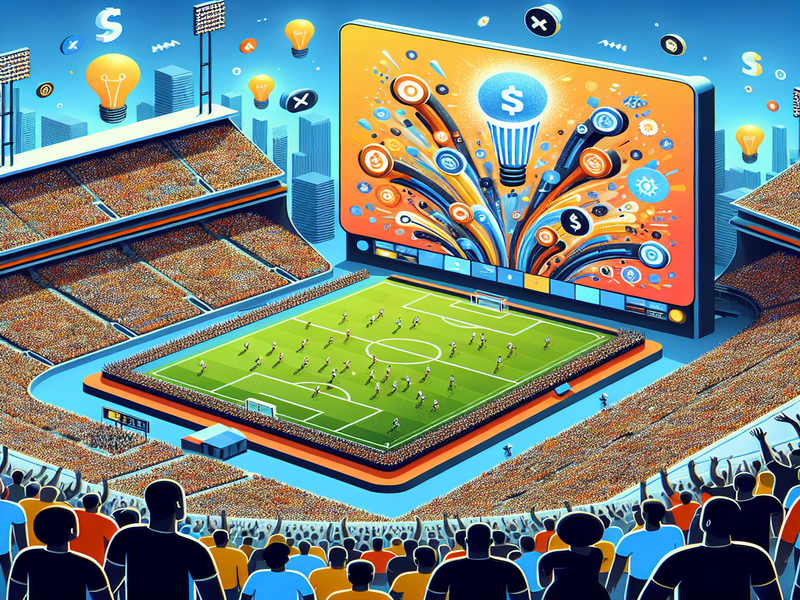
Introduction to AI-Generated Ads and Their Impact on Advertising
In today’s fast-paced digital world, AI-generated ads are redefining the boundaries of creativity and efficiency in advertising. With the ability to produce high-quality content at a fraction of the traditional cost, these ads are not only transforming the advertising industry but also setting new standards for innovation and cost-efficiency. As AI continues to evolve, its applications in digital marketing become more sophisticated, offering tech-savvy individuals and businesses alike a glimpse into the future of advertising.
Overview of Google’s Veo3 Model and Its Role in the NBA Finals Commercial
Google’s Veo3 model recently made headlines by creating an AI-generated ad that aired during the NBA Finals. This groundbreaking commercial demonstrated the power of AI in video production, slashing production costs by an astounding 95%. The Veo3 model leverages advanced language models and computer vision to craft visually stunning and engaging advertisements, showcasing AI’s potential to revolutionize the way we approach digital marketing.
Cost-Efficiency and Innovation in AI-Generated Content
The cost-efficiency of AI-generated ads is one of their most compelling advantages. By automating the creative process, businesses can significantly reduce expenses associated with traditional ad production. This not only allows for more frequent ad creation but also enables companies to allocate resources towards other innovative pursuits. The use of AI in advertising is a testament to its ability to drive cost-effective solutions without compromising on quality or creativity.
Analysis of AI’s Transformative Role in Advertising and Other Industries
AI’s impact on advertising is just the tip of the iceberg. Its transformative role extends across various industries, from healthcare to finance, where AI-powered solutions are enhancing efficiency and driving innovation. In advertising, AI is not only streamlining production processes but also enabling personalized marketing strategies that resonate with target audiences. By analyzing consumer data, AI can craft tailored messages that engage and convert, making it an invaluable tool for digital marketers.
Moreover, the integration of AI into advertising platforms like the OpenAI ChatGPT integration is further expanding the possibilities of AI-generated content. By harnessing the power of AI language models, businesses can create dynamic and interactive ads that captivate audiences and drive engagement.
Conclusion: Future Implications and Opportunities
The future of AI-generated ads is bright, with endless opportunities for innovation and growth. As AI technology continues to advance, we can expect to see even more sophisticated applications in advertising and beyond. The potential for AI to revolutionize industries is immense, offering businesses a competitive edge in an ever-evolving digital landscape.
For those interested in exploring the capabilities of AI in advertising, platforms like UBOS offer a wealth of resources and tools to get started. From AI-powered chatbot solutions to AI marketing agents, UBOS provides a comprehensive suite of solutions designed to help businesses harness the power of AI for digital marketing success.
In conclusion, AI-generated ads are paving the way for a new era of advertising, where creativity meets technology to deliver unparalleled results. As businesses continue to embrace AI advancements, the possibilities for innovation and growth are limitless, making it an exciting time to be part of the digital marketing landscape.
For more insights into the transformative power of AI in advertising, check out this original news article.
Andrii Bidochko
CTO UBOS
Andrii Bidochko is an AI entrepreneur and researcher focused on AI agents, reinforcement learning, and autonomous systems. He writes about the technologies shaping the future of machine intelligence, from frontier models and agent architectures to real-world AI applications.