

- Updated: February 20, 2026
- 6 min read
AI‑Generated Photos Raise Trust Concerns: How UBOS Can Help Verify Authenticity
AI‑generated photos are increasingly indistinguishable from real images, creating serious trust issues that affect media credibility, personal privacy, and legal accountability.
Understanding the root causes of these concerns and how businesses can mitigate risk is essential for anyone navigating today’s digital visual landscape.
AI‑Generated Photos Trust Issues: Why Authenticity Is at Stake
The rapid rise of generative AI models—such as diffusion networks and GANs—has unlocked the ability to create photorealistic images from simple text prompts. While this breakthrough fuels creativity, it also fuels deception. From fabricated news headlines to manipulated personal portraits, the line between genuine and synthetic visual content is blurring, prompting urgent discussions about AI generated photos, deepfakes, and digital ethics.
What Are AI‑Generated Photos and Why Do They Matter?
AI‑generated photos are images produced by machine‑learning models trained on massive datasets of real photographs. These models learn patterns of light, texture, and composition, allowing them to synthesize new visuals that can mimic any style or subject. The most common techniques include:
- Generative Adversarial Networks (GANs): Two neural networks compete, refining the realism of generated images.
- Diffusion Models: Images are iteratively denoised from random noise, yielding high‑fidelity results.
- Text‑to‑Image Transformers: Users describe a scene, and the model renders it instantly.
These capabilities empower marketers, designers, and developers to produce content at scale, but they also empower malicious actors to fabricate evidence, impersonate individuals, or spread misinformation.
Core Trust Concerns with AI‑Generated Photos
Authenticity & Misinformation
When a synthetic image looks real, audiences often accept it as fact. This fuels the spread of false narratives, especially on social platforms where visual content drives engagement. Deepfake pornography, fabricated political rallies, and counterfeit product images are just a few examples where authenticity is weaponized.
Privacy & Consent
AI can place a person’s face onto any background or scenario without permission, violating personal privacy. The technology can also recreate deceased individuals, raising ethical dilemmas about post‑mortem representation.
Legal & Copyright Issues
Generated images often inherit the style of copyrighted works present in the training data, leading to potential infringement claims. Moreover, the lack of clear ownership for AI‑created content complicates licensing and attribution.
Real‑World Examples and Implications
The following incidents illustrate how AI‑generated photos are already reshaping trust across industries:
- Fake News Campaigns: During a recent election, AI‑crafted campaign posters were shared as authentic, influencing voter perception.
- Brand Counterfeiting: Luxury brands reported AI‑produced product images that mimicked official marketing assets, confusing consumers.
- Social Media Scams: Influencers’ faces were swapped onto promotional posts for nonexistent products, leading to fraud reports.
- Legal Evidence Tampering: A court case in Europe was delayed after a key photograph was identified as AI‑generated, highlighting evidentiary risks.
These scenarios underscore the need for robust verification tools and responsible AI practices.
Android Police Investigation Highlights the Issue
The tech news outlet Android Police recently published an in‑depth report on the growing distrust surrounding AI‑generated photos. The article details how everyday users are struggling to differentiate between genuine snapshots and synthetic creations, especially on mobile platforms where image editing apps are ubiquitous.
For the full story, read the original coverage at Android Police.
Illustration: Visualizing the Trust Gap
The diagram below visualizes the lifecycle of an AI‑generated image—from model training to distribution—and highlights the points where verification can be applied.
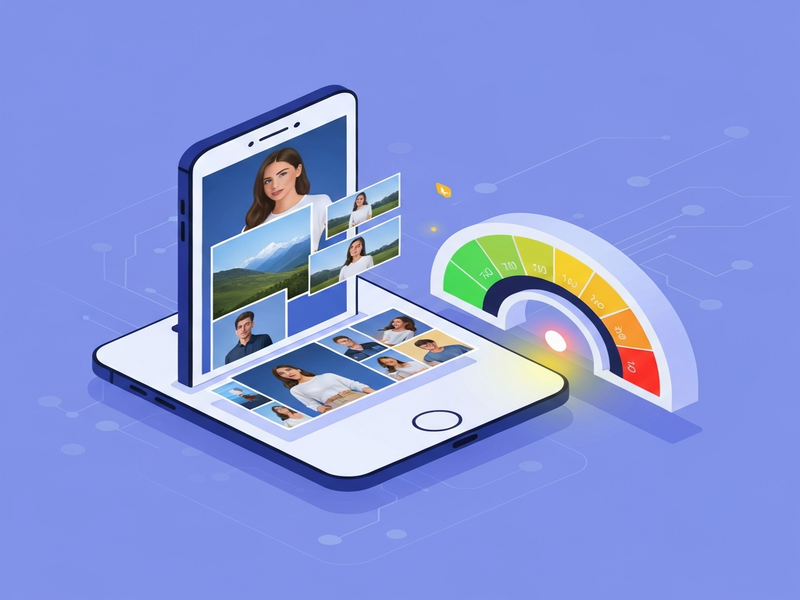
By mapping each stage, organizations can implement checkpoints such as watermarking, provenance metadata, and AI‑driven detection algorithms.
How UBOS Helps Mitigate AI Photo Trust Issues
UBOS offers a comprehensive suite of tools designed to embed transparency and control into AI‑generated visual workflows. Below are key components that directly address the concerns outlined above.
UBOS Platform Overview
The UBOS platform overview provides a low‑code environment where developers can integrate verification steps—such as digital signatures and provenance tracking—into any AI image pipeline.
Enterprise AI Platform by UBOS
For large organizations, the Enterprise AI platform by UBOS includes built‑in compliance modules that flag potentially infringing or non‑consensual content before it reaches end users.
AI Marketing Agents
Marketers can leverage AI marketing agents to automatically generate campaign assets while ensuring each image carries a verifiable watermark, reducing the risk of accidental deepfake distribution.
Workflow Automation Studio
The Workflow automation studio lets teams design approval flows that require human review for any AI‑generated visual before publishing.
Integrations for Enhanced Detection
UBOS supports a range of AI detection services, including the Chroma DB integration for vector similarity search, and the OpenAI ChatGPT integration to analyze image captions for inconsistencies.
Voice & Text Extensions
Adding auditory cues can further reinforce authenticity. The ElevenLabs AI voice integration enables spoken verification statements that accompany generated images.
Template Marketplace for Quick Compliance
UBOS’s UBOS templates for quick start include pre‑built modules like the AI Image Generator template, which automatically embeds metadata tags required for downstream verification.
Real‑World Portfolio Examples
Explore how other companies have tackled similar challenges in the UBOS portfolio examples, showcasing end‑to‑end pipelines that balance creativity with accountability.
Practical Steps for Users and Businesses
Whether you are a content creator, a brand manager, or an IT security professional, the following actions can help safeguard against AI‑generated photo misuse:
- Adopt Provenance Metadata: Store generation parameters, model version, and creator ID alongside each image.
- Use Detection Tools: Deploy AI‑based classifiers (e.g., those integrated via Chroma DB) to flag suspicious visuals.
- Implement Human Review: Route all AI‑generated media through a verification workflow using Workflow automation studio.
- Educate Stakeholders: Conduct training on deepfake awareness and the ethical use of generative tools.
- Apply Watermarks & Digital Signatures: Ensure every output carries a visible or invisible marker that can be validated later.
- Monitor Legal Changes: Stay updated on emerging regulations around synthetic media in your jurisdiction.
Take Action Today
Trust in visual content is non‑negotiable. By leveraging UBOS’s AI‑centric tools and adopting best‑practice verification methods, you can protect your brand, your audience, and the broader digital ecosystem from the pitfalls of AI‑generated photos.
Ready to build trustworthy AI workflows? Visit the UBOS homepage to explore our solutions, or contact our team through the About UBOS page for a personalized demo.
For developers seeking a fast start, check out the Web app editor on UBOS and the UBOS pricing plans that fit any budget.