

- Updated: March 22, 2026
- 6 min read
Delve Audit Leak Exposes 455 Companies – Near‑Identical SOC 2 & ISO 27001 Reports
The Delve audit leak revealed that 455 companies received almost identical SOC 2 and ISO 27001 audit reports, indicating a massive compliance fraud that security managers must verify immediately.
What Happened? An Overview of the Delve Audit Leak
In early March 2026, a whistleblower released a trove of 533 audit documents that were supposedly generated by Delve. The documents, which were meant to certify compliance with SOC 2 and ISO 27001 standards, turned out to be nearly carbon copies of each other. Forensic analysis showed a staggering 99.8% similarity across every line of text, suggesting that the audits were not the result of independent assessments but rather a templated scam.
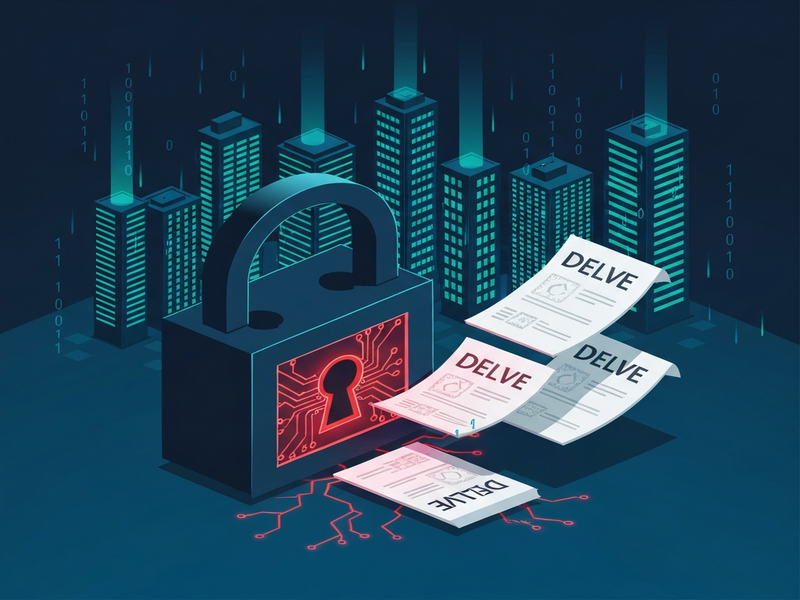
The leak was first reported by an independent security blog that cross‑checked the files against known audit frameworks. The blog’s findings quickly spread across tech news outlets, prompting a wave of inquiries from compliance officers, IT security managers, and journalists seeking clarity on the scope of the breach.
Impact on Companies: Numbers, Risks, and Real‑World Consequences
The immediate fallout affected 455 organizations spanning startups, SMBs, and enterprise‑level firms. Below is a concise breakdown of the impact:
- **455 companies** listed in the leaked database, each claiming a valid SOC 2 or ISO 27001 certification.
- **533 audit reports** were exposed, meaning many firms received multiple, seemingly independent certifications.
- **99.8% text similarity** across reports, indicating a single boilerplate template was reused.
- Potential loss of **trust from customers, investors, and partners**, leading to contract renegotiations or terminations.
- Increased **regulatory scrutiny**, especially for firms operating in highly regulated sectors such as fintech, healthtech, and SaaS.
For security managers, the leak translates into a multi‑phase remediation plan: first, identify whether your vendor appears in the database; second, assess the actual security posture; third, communicate transparently with stakeholders.
Why 99.8% Similarity Is a Red Flag
Compliance audits are expected to reflect the unique controls, processes, and risk environments of each organization. A genuine SOC 2 Type 1 or ISO 27001 audit typically contains:
- Company‑specific scope definitions.
- Tailored control descriptions and evidence tables.
- Distinct auditor signatures and dates.
When 99.8% of the text matches across hundreds of reports, it violates the core principle of **audit independence**. This similarity suggests that the reports were generated by a script rather than a qualified third‑party auditor, rendering them legally and operationally void.
How to Verify Audits: A Practical Checklist for Security Leaders
Given the scale of the Delve incident, organizations need a reliable verification process. Below is a step‑by‑step checklist that can be integrated into existing compliance workflows.
Audit Verification Checklist
- Confirm the auditor’s credentials: Verify the audit firm’s registration with the AICPA (for SOC 2) or ISO accreditation bodies.
- Request original evidence: Audits should be backed by logs, screenshots, and configuration files that are unique to your environment.
- Check report metadata: Look for consistent dates, version numbers, and digital signatures that match the auditor’s public key.
- Cross‑reference with public databases: Use tools that scan for known leaked templates (e.g., the Delve database) to ensure your report isn’t listed.
- Engage a secondary reviewer: An independent security consultant can perform a quick sanity check on the audit’s language and structure.
- Document the verification process: Keep a detailed log of all verification steps for future audits and regulatory inquiries.
Many organizations are now turning to automated compliance platforms that embed verification logic directly into their workflow. For instance, the Workflow automation studio on UBOS allows you to create a custom pipeline that automatically pulls audit metadata, checks it against known fraud patterns, and flags anomalies for review.
Leveraging AI to Strengthen Audit Verification
Artificial intelligence can accelerate the verification process by analyzing large volumes of audit text for duplication. UBOS offers several AI‑powered integrations that can be repurposed for compliance checks:
- OpenAI ChatGPT integration – Use natural‑language queries to extract control evidence from audit PDFs.
- Chroma DB integration – Store vector embeddings of audit documents for fast similarity searches.
- ElevenLabs AI voice integration – Generate spoken summaries of audit findings for executive briefings.
By combining these tools with the Enterprise AI platform by UBOS, security teams can build a resilient verification engine that flags any report with unusually high similarity scores—exactly the scenario exposed by the Delve leak.
What Companies Are Doing Next: Real‑World Responses
Since the leak, several high‑profile firms have publicly announced remediation steps:
- Re‑audit with accredited firms: Companies are engaging new auditors to obtain fresh, verifiable certifications.
- Transparent communication: Security leaders are issuing statements to customers and investors, outlining the breach and corrective actions.
- Policy updates: Many are tightening vendor selection criteria, requiring proof of audit independence before accepting compliance badges.
These actions underscore the importance of a proactive compliance culture. As one CISO noted, “We can’t afford to treat audit reports as a checkbox; they must be living documents that reflect real security posture.”
Tools and Templates to Accelerate Your Response
UBOS’s marketplace offers ready‑made templates that can help you quickly assemble a remediation plan:
- AI SEO Analyzer – Ensure your public compliance pages are indexed correctly and convey accurate information.
- AI Article Copywriter – Draft transparent communication pieces for stakeholders.
- AI Survey Generator – Collect internal feedback on audit processes and identify gaps.
These templates integrate seamlessly with the Web app editor on UBOS, allowing non‑technical compliance officers to launch remediation dashboards in minutes.
Conclusion: Turning a Crisis into a Competitive Advantage
The Delve audit leak serves as a stark reminder that compliance is only as strong as the verification mechanisms behind it. For IT security managers and compliance officers, the incident offers three clear takeaways:
- Never assume authenticity: Always validate audit provenance before trusting compliance badges.
- Leverage AI‑driven tools: Automated similarity checks and vector databases can surface fraud faster than manual reviews.
- Communicate proactively: Transparent stakeholder updates protect brand reputation and reduce regulatory risk.
By embedding robust verification steps into your security workflow—and by using platforms like UBOS platform overview to automate them—you can not only safeguard your organization from similar scams but also demonstrate a higher standard of security maturity to customers and partners.
Call to Action
If you suspect that any of your vendors might be part of the Delve leak, start the verification process today. Explore the UBOS pricing plans to find a solution that fits your budget, and consider joining the UBOS partner program for ongoing support.
Stay ahead of compliance fraud—turn vigilance into a strategic advantage.
About UBOS provides a deeper look at the team behind these AI‑driven compliance tools.
AI marketing agents illustrate how the same technology can boost both security and go‑to‑market initiatives.
UBOS for startups offers a lightweight entry point for early‑stage companies seeking audit integrity.
UBOS solutions for SMBs scale compliance verification without heavy overhead.
UBOS templates for quick start can jump‑start your remediation workflow.
UBOS portfolio examples showcase real‑world deployments of compliance automation.
Telegram integration on UBOS enables instant alerts when a suspicious audit is detected.
ChatGPT and Telegram integration lets security teams query audit data via chat.