

- Updated: February 17, 2026
- 7 min read
Instagram CEO Testifies on Teen Mental Health Amid Growing Social Media Scrutiny
Adam Mosseri, Instagram’s CEO, testified in a California court that even 16 hours of daily use by a teen is “problematic” rather than a clinical addiction, emphasizing the need to distinguish between excessive use and true addiction.
Instagram CEO’s Testimony Highlights the Nuances of Teen Mental Health and Social‑Media Use
In a landmark trial that could reshape the legal landscape for tech giants, Instagram’s head Adam Mosseri took the stand in Los Angeles to defend the platform against accusations that it harms teen mental health. The testimony, reported by the BBC, revealed Mosseri’s view that prolonged usage—up to 16 hours a day—constitutes “problematic use” but not a clinical addiction. This distinction has sparked intense debate among parents, educators, and mental‑health professionals about the responsibilities of social‑media companies.
Instagram’s Role in Teen Mental Health: A Brief Overview
Instagram, owned by Meta, is a central hub for visual storytelling, with over a billion active users worldwide. Teens are among its most engaged demographics, spending an average of 2‑3 hours daily scrolling, posting, and interacting. While the platform offers creative outlets and community building, numerous studies link heavy social‑media use to anxiety, depression, and body‑image concerns among adolescents.
Meta’s internal research, cited during the trial, surveyed 269,000 Instagram users and found that 60 % reported experiencing bullying in the previous week. Such data underscores the platform’s double‑edged nature: it can foster connection but also expose vulnerable users to harassment and harmful content.
Key Points from Adam Mosseri’s Testimony
1. Problematic Use vs. Clinical Addiction
Mosseri stressed that “problematic use” is a personal, situational assessment, not a medical diagnosis. He likened binge‑watching a Netflix series to heavy Instagram use, noting that the former does not equate to clinical addiction. This nuance aims to shift the conversation from blanket blame to targeted interventions.
2. The 16‑Hour Usage Claim
When asked about a plaintiff who logged 16 hours of Instagram in a single day, Mosseri described it as “problematic” but stopped short of labeling it an addiction. He emphasized that the threshold for harmful use varies per individual, reflecting personal resilience, offline support systems, and mental‑health status.
3. Awareness of Bullying Reports
Lawyer Mark Lanier highlighted that the plaintiff had filed over 300 bullying reports on Instagram. Mosseri admitted he was unaware of the specific volume of reports, raising questions about Meta’s internal monitoring and response mechanisms.
4. Image‑Filter Controversy
Internal emails from 2019 revealed Meta executives debated the impact of “deep‑fake” style filters that altered users’ physical appearance. Mosseri confirmed that the company eventually banned the most extreme filters, though the ban was later “modified” rather than fully rescinded, indicating an evolving policy stance.
Policy Changes and Industry Response
Since the trial’s inception, Meta has announced several initiatives aimed at safeguarding younger users:
- Enhanced parental‑control tools that allow guardians to set screen‑time limits and content filters.
- Expanded mental‑health resources, including in‑app prompts directing users to crisis helplines.
- Algorithmic adjustments to reduce the spread of harmful content, especially around body‑image and self‑esteem topics.
Other platforms are also reacting. YouTube, Snapchat, and TikTok have faced similar lawsuits, with Snapchat and TikTok already reaching settlements. The broader tech industry is under increasing pressure from state prosecutors, school districts, and advocacy groups to adopt stricter safety standards.
Regulatory Landscape
California’s “Online Safety Act” and upcoming federal proposals could mandate age‑verification, transparent data‑use disclosures, and mandatory reporting of harmful content. Companies that fail to comply may face hefty fines and class‑action lawsuits.
Expert Commentary: Distinguishing Problematic Use from Clinical Addiction
Leading child psychologists argue that while “problematic use” is a valid concern, it should be differentiated from diagnosable addiction, which involves neurochemical changes and withdrawal symptoms. Dr. Elena Ramirez, a teen mental‑health specialist, notes:
“Excessive screen time can exacerbate existing mental‑health conditions, but it rarely meets the clinical criteria for addiction unless it interferes with daily functioning and causes physiological dependence.”
Research from the American Academy of Pediatrics suggests that setting clear boundaries—such as limiting social‑media use to under two hours per day—can mitigate anxiety and improve sleep quality. However, the effectiveness of these guidelines depends on consistent enforcement by caregivers and supportive platform design.
Visual Insight: The Trial in Context
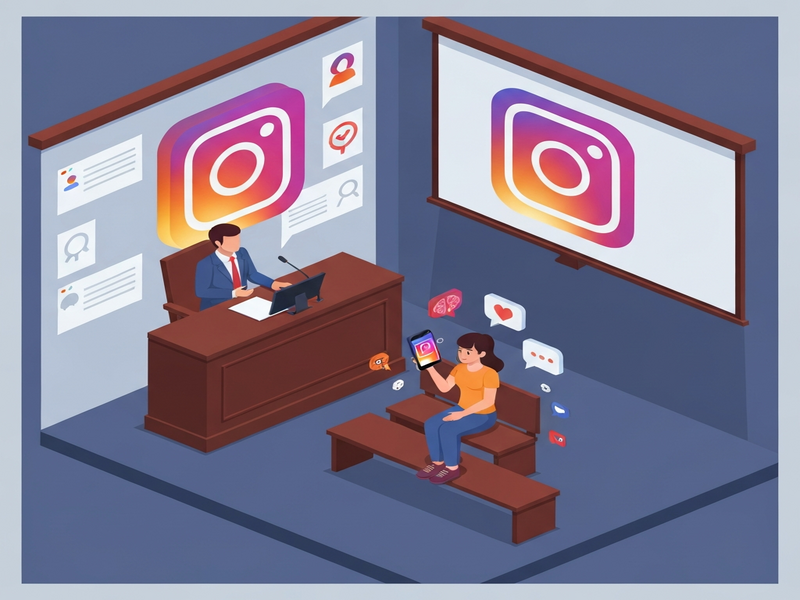
Figure 1: Adam Mosseri testifying before the Los Angeles court, highlighting the debate over “problematic” versus “addictive” social‑media use.
Implications for Tech‑Savvy Parents, Educators, and Mental‑Health Professionals
Understanding the distinction Mosseri makes is crucial for those tasked with protecting teens:
- Set realistic expectations: Recognize that not all high‑usage patterns indicate addiction; look for signs of distress, sleep disruption, and social withdrawal.
- Leverage digital tools: Platforms like the AI marketing agents can be repurposed to monitor sentiment and flag potentially harmful content in real time.
- Promote digital literacy: Teach teens critical thinking skills to evaluate the impact of likes, comments, and curated feeds.
- Collaborate with schools: Integrate mental‑health curricula that address the psychological effects of social media.
How AI Solutions Can Support Teen Wellbeing
UBOS offers a suite of AI‑driven tools that can help families and professionals create custom safeguards:
- Instagram mental‑health insights – a dashboard that aggregates usage patterns and sentiment analysis.
- AI Survey Generator – quickly deploy questionnaires to assess teen stress levels.
- AI Article Copywriter – generate educational content on healthy digital habits.
- AI YouTube Comment Analysis tool – monitor comment sentiment for early warning signs.
- AI Email Marketing – send personalized wellbeing tips to parents and students.
These tools sit on the UBOS platform overview, a low‑code environment that lets non‑technical users build custom workflows. For example, the Workflow automation studio can trigger alerts when a teen’s usage spikes beyond a set threshold, prompting a check‑in from a caregiver.
Real‑World Applications: Templates and Apps
UBOS’s marketplace offers ready‑made templates that can be adapted for mental‑health monitoring:
- AI Survey Generator – create quick pulse surveys for students.
- AI Article Copywriter – produce engaging blog posts on digital wellness.
- AI Email Marketing – automate weekly wellbeing newsletters.
- AI YouTube Comment Analysis tool – detect negative sentiment trends.
- AI Chatbot template – provide 24/7 mental‑health FAQs for teens.
Startups can accelerate development using the UBOS for startups program, while SMBs can leverage UBOS solutions for SMBs to embed safety features directly into their products.
Looking Ahead: What the Verdict Could Mean
If the jury finds Instagram substantially contributed to the plaintiff’s mental‑health struggles, the ruling could set a precedent for holding social‑media platforms legally accountable for user wellbeing. This may accelerate the rollout of stricter safety protocols, more transparent data practices, and increased investment in AI‑driven moderation tools.
Conversely, a verdict favoring Meta could reinforce the industry’s stance that user responsibility, rather than platform design, is the primary factor in problematic use. Either outcome will shape policy discussions, parental guidance strategies, and the future of AI‑enabled mental‑health interventions.
Take Action: Protecting Teens in a Digital World
Whether you are a parent, educator, or mental‑health professional, consider the following steps:
- Establish clear screen‑time limits and enforce them consistently.
- Use AI‑powered monitoring tools (e.g., UBOS’s AI Voice Assistant) to receive real‑time usage alerts.
- Promote open conversations about online experiences and emotional responses.
- Integrate evidence‑based digital‑wellness curricula in schools.
- Stay informed about emerging regulations and platform policy updates.
For a deeper dive into building custom AI solutions for mental‑health monitoring, explore the Enterprise AI platform by UBOS. The platform’s robust API ecosystem enables seamless integration with existing school or healthcare systems.
Conclusion
Adam Mosseri’s courtroom remarks underscore a critical nuance: not every hour spent on Instagram signals addiction, but prolonged, unmonitored use can be “problematic” and detrimental to teen mental health. As legal battles unfold, the onus is on families, educators, and tech companies to collaborate on transparent, AI‑enhanced safeguards that protect the next generation while preserving the creative benefits of social media.
Ready to empower your organization with AI tools that prioritize teen wellbeing? Visit the UBOS homepage to learn how our low‑code platform can help you build responsible, data‑driven solutions today.
