

- Updated: February 16, 2026
- 7 min read
Apple iPhone Gains End‑to‑End Encrypted RCS Messaging in iOS 26.4 Beta
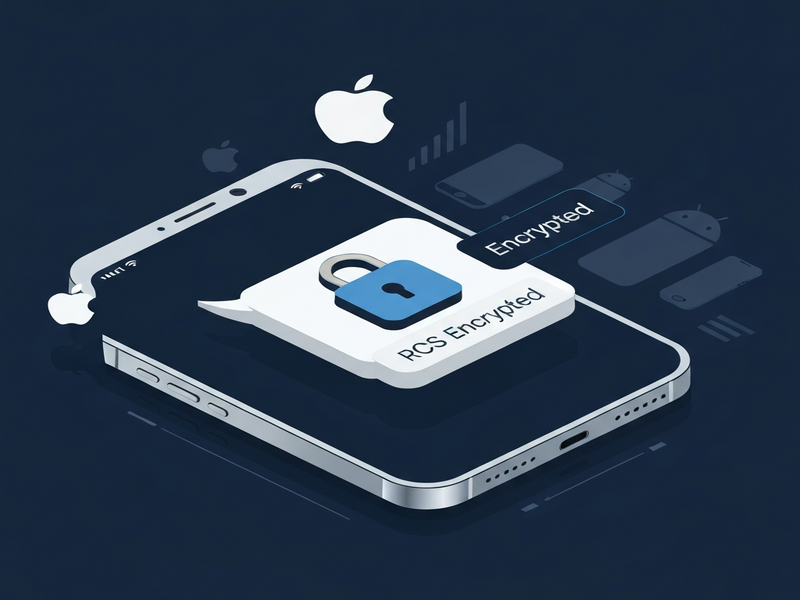
Apple is currently testing end‑to‑end encrypted RCS messaging on iPhone through the iOS 26.4 developer beta, laying the groundwork for secure cross‑platform chats with Android devices.
Apple’s RCS Encryption Test: A Quick Overview
In a move that could reshape mobile privacy, Apple released the first developer beta of iOS 26.4 on Monday, embedding a prototype of end‑to‑end encrypted (E2EE) Rich Communication Services (RCS) messaging. While the initial rollout only encrypts messages between Apple devices, the company has confirmed that the ultimate goal is to enable encrypted RCS chats between iPhone and Android users. This development follows Apple’s March 2025 announcement that E2EE RCS would arrive in “future software updates” across its ecosystem.
For tech‑savvy consumers and professionals who demand private, reliable messaging, this test signals a potential end to the long‑standing “green‑bubble vs. blue‑bubble” divide. The feature is still in a closed beta, meaning it is not yet available to the general public, but the early signs suggest a robust implementation that aligns with Apple’s broader privacy roadmap.
iOS 26.4 Beta Rollout and Device Limitations
The iOS 26.4 beta is currently limited to developers who have opted into Apple’s beta program. Only devices running the latest hardware—iPhone 15 series and newer—receive the encrypted RCS toggle in Settings. Older models, such as the iPhone 12 and earlier, do not yet support the feature, primarily due to hardware‑level security modules required for the encryption keys.
- Supported devices: iPhone 15, iPhone 15 Pro, iPhone 15 Pro Max, and iPhone 16 (when released).
- Beta access: Requires enrollment in the Apple Developer Program or the public beta portal.
- Current scope: Encryption works only between Apple‑to‑Apple RCS messages; Android interoperability is disabled for now.
Apple’s internal testing framework logs encryption handshakes and key exchanges, ensuring that the cryptographic layer meets the company’s stringent security standards before any cross‑platform rollout. The company has also hinted that the feature will be tied to the “Messages” app’s existing iMessage encryption model, leveraging the same end‑to‑end key management system that powers iMessage.
Future Cross‑Platform Plans and Industry Impact
Apple’s roadmap envisions a seamless, encrypted RCS experience that works across iOS, iPadOS, macOS, and watchOS, extending to Android devices via the universal RCS standard. The GSM Association, which governs RCS specifications, announced in September 2024 that E2EE would be a “next major milestone” for the Universal Profile. Apple’s participation accelerates this timeline, potentially setting a new baseline for mobile privacy.
If Apple succeeds, the impact will ripple through several sectors:
- Enterprise communications: Companies can adopt a single, encrypted messaging protocol for both iOS and Android workforces, reducing reliance on third‑party solutions.
- Consumer trust: Users who have avoided Android due to perceived privacy gaps may reconsider, boosting cross‑platform adoption.
- Regulatory compliance: End‑to‑end encryption aligns with GDPR, CCPA, and emerging data‑protection laws, simplifying compliance for businesses.
For SaaS providers, this shift opens opportunities to integrate secure messaging into their platforms. For example, the UBOS homepage showcases how AI‑driven services can leverage encrypted channels for data‑sensitive workflows. Similarly, the UBOS platform overview highlights built‑in support for secure API calls, which could be extended to encrypted RCS endpoints.
How Apple’s Encrypted RCS Stacks Up Against Android
Android has offered RCS for years, but native end‑to‑end encryption arrived only recently through Google’s “Chat” app and carrier‑specific implementations. Apple’s approach differs in three key ways:
| Aspect | Apple (iOS 26.4) | Android (Google Chat) |
|---|---|---|
| Encryption Model | iMessage‑style E2EE, device‑to‑device keys | E2EE optional, often carrier‑dependent |
| Cross‑Platform Support | Planned, not yet active | Available via Google Chat (limited carriers) |
| User Experience | Unified “Messages” UI, no extra app | Separate “Chat” app or carrier UI |
| Privacy Controls | Full control in Settings, per‑conversation toggle | Limited user control, often default to unencrypted |
Apple’s integration promises a smoother experience for users already entrenched in the iMessage ecosystem, while Android’s fragmented carrier landscape has historically hampered universal adoption. The upcoming cross‑platform capability could finally level the playing field, giving users the freedom to choose devices without sacrificing privacy.
What This Means for Users and the Market
For everyday users, the immediate benefit is a glimpse of a future where “green bubbles” (iMessage) and “blue bubbles” (RCS) are both encrypted, eliminating the security gap that has existed for years. Professionals handling confidential data—lawyers, journalists, healthcare workers—will gain a reliable, platform‑agnostic channel that meets strict privacy standards.
From a market perspective, Apple’s move could pressure other OEMs and carriers to accelerate their own encryption roadmaps. It also creates a fertile ground for third‑party developers to build AI‑enhanced messaging experiences. For instance, the AI marketing agents can now be trained to operate over encrypted RCS, ensuring that promotional content never leaves the device in plain text.
Developers can also tap into UBOS’s Workflow automation studio to create automated response bots that respect end‑to‑end encryption, or use the Web app editor on UBOS to prototype secure chat interfaces without writing low‑level cryptographic code.
Moreover, the UBOS templates for quick start include pre‑built RCS connectors that can be toggled to use Apple’s encrypted channel once it becomes publicly available. This reduces time‑to‑market for startups looking to differentiate on privacy.
Real‑World Use Cases Powered by Secure RCS
Below are three illustrative scenarios where encrypted RCS could become a game‑changer, each linked to a relevant UBOS solution:
- Customer Support: Integrate the Customer Support with ChatGPT API into an encrypted RCS channel, allowing support agents to handle sensitive tickets without exposing data.
- AI‑Driven Content Review: Use the AI YouTube Comment Analysis tool to moderate user‑generated content directly from a secure chat thread.
- Secure Marketing Automation: Deploy AI Email Marketing campaigns that trigger follow‑up messages via encrypted RCS, ensuring personal data stays protected.
Getting Started with Encrypted RCS (When It Launches)
While the feature is still in beta, early adopters can prepare by:
- Enrolling in the Apple Developer Program to receive future beta builds.
- Ensuring devices run the latest iOS version and have the “Messages” app updated.
- Exploring UBOS’s UBOS pricing plans to select a tier that includes API access for secure messaging.
- Reviewing the UBOS portfolio examples for inspiration on integrating encrypted chat into existing products.
Developers interested in AI‑enhanced messaging can also experiment with the Talk with Claude AI app or the AI Chatbot template to prototype conversational agents that respect end‑to‑end encryption from day one.
Image Illustration
Conclusion – A New Era for Mobile Privacy
Apple’s test of end‑to‑end encrypted RCS on iPhone marks a pivotal step toward universal, secure mobile communication. By leveraging its existing iMessage encryption framework, Apple aims to eliminate the privacy disparity between iOS and Android ecosystems. The rollout, initially limited to the latest iPhone models and developer betas, sets the stage for a broader public release in a future iOS update.
For users, the promise is clear: a single, encrypted chat experience regardless of the device on the other end. For businesses, it opens doors to streamlined, compliant communication channels that can be augmented with AI tools from platforms like UBOS. As the industry watches, the convergence of encrypted RCS and AI‑driven workflows could redefine how we think about secure messaging in both personal and professional contexts.
Stay tuned for the next beta release, and consider exploring UBOS’s suite of AI integrations—such as the AI SEO Analyzer or the AI Image Generator—to future‑proof your applications for the upcoming encrypted RCS era.
Read the full story on the original Verge article.