

- Updated: February 6, 2026
- 7 min read
Artifact Keeper: Open‑Source Self‑Hosted Artifact Registry Revolutionizes DevOps
Artifact Keeper: The Ultimate Self‑Hosted Open‑Source Artifact Registry for Modern DevOps
Artifact Keeper is a self‑hosted, open‑source artifact registry that delivers enterprise‑grade security scanning, SSO, edge replication, and a WASM plugin system—all without hidden fees or vendor lock‑in.
Why Artifact Keeper Matters in 2026
In today’s fast‑moving CI/CD pipelines, teams need a reliable place to store binaries, containers, Helm charts, and language‑specific packages. Traditional commercial solutions such as JFrog Artifactory or Sonatype Nexus often lock organizations behind expensive “enterprise” tiers, obscure feature gates, and proprietary APIs. Artifact Keeper flips that model on its head: it is 100 % open source, supports more than 45 package formats, and ships every feature out‑of‑the‑box. For DevOps engineers, SREs, and technology decision‑makers who demand full control over their supply chain, Artifact Keeper offers a compelling alternative that aligns with modern security and compliance mandates.
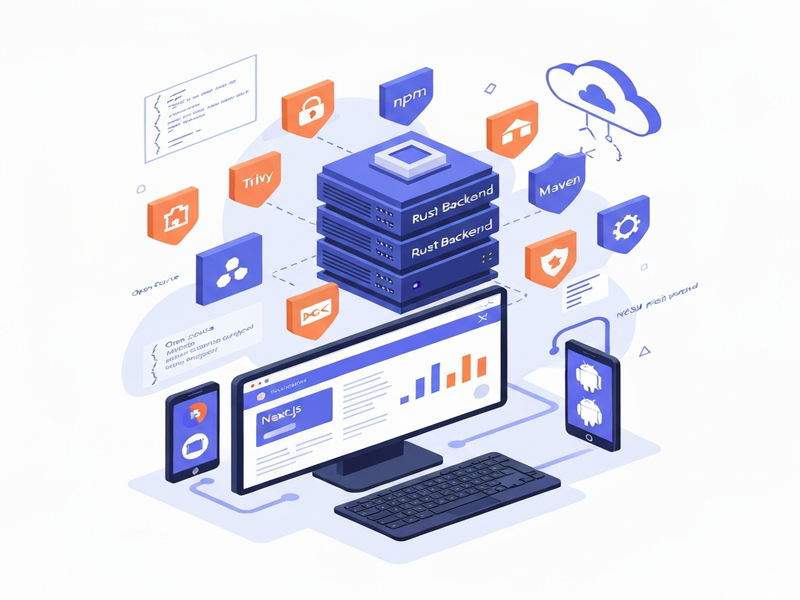
The project is built on a Rust‑centric backend, a Next.js‑powered web UI, and native mobile apps for iOS and Android, ensuring a consistent experience across all touchpoints. Its architecture embraces the official GitHub repository, where contributors can inspect, audit, and extend every line of code.
Key Features of Artifact Keeper
- 45+ Native Package Formats – Direct protocol support for
pip,npm,docker,cargo,helm,go,mavenand many more, eliminating the need for a generic blob store. - Built‑in Security Scanning – Integrated Trivy and Grype engines automatically scan every artifact for CVEs, license violations, and misconfigurations. Policies can enforce “scan‑before‑download” and quarantine high‑severity findings.
- WASM Plugin System – Extend the registry with custom format handlers or business logic using WebAssembly. The official Unity .unitypackage example demonstrates how to add a brand‑new package type without touching the core code.
- Edge Replication Mesh – Peer‑to‑peer (P2P) replication synchronizes artifacts across geographically distributed nodes, reducing latency for build agents and improving resilience.
- SSO & Multi‑Auth – Supports OpenID Connect, LDAP, SAML 2.0, JWT, and API tokens. Fine‑grained RBAC lets you assign per‑repository permissions.
- Full‑Text Search – Powered by Meilisearch, developers can instantly locate packages, versions, or metadata across the entire registry.
- Mobile Management Apps – Native iOS and Android clients let teams monitor builds, trigger scans, and manage users from anywhere.
- Artifactory Migration Toolkit – One‑click import of repositories, users, and permissions from JFrog Artifactory, easing the transition to a fully open ecosystem.
Technical Architecture
Artifact Keeper follows a modular, MECE‑compliant design that separates concerns into distinct layers. Below is a high‑level view of the components:
| Layer | Component | Technology |
|---|---|---|
| API Gateway | REST & native protocol adapters | Rust + Axum |
| Format Handlers | 45+ native handlers + WASM runtime | Rust, Wasmtime, WIT |
| Auth & Policy Engine | SSO, RBAC, severity gates | Rust, OIDC, LDAP, SAML |
| Data Layer | Metadata, binary storage, search index | PostgreSQL 16, S3/Filesystem, Meilisearch |
| Security Scanners | Container & dependency analysis | Trivy, Grype |
| Edge Replication | Mesh sync, P2P transfers | Rust, libp2p‑style protocols |
| Web UI | Dashboard, admin console | Next.js 15, TypeScript, Tailwind CSS |
| Mobile Apps | iOS & Android management | SwiftUI 6, Jetpack Compose Kotlin |
The separation of API, storage, and security layers enables teams to scale each component independently. For example, you can swap the underlying object store from local disk to an S3‑compatible bucket without touching the authentication logic.
This architecture mirrors the philosophy behind the UBOS platform overview, where modular services are orchestrated through a low‑code workflow engine. Both ecosystems champion extensibility, making them ideal partners for organizations that want to build custom DevOps pipelines.
Benefits and Real‑World Use Cases
Security‑First Supply Chain
By embedding Trivy and Grype directly into the upload path, Artifact Keeper guarantees that every artifact is scanned before it becomes available to downstream consumers. This “shift‑left” approach satisfies government‑mandated SBOM requirements and reduces the risk of a compromised dependency slipping into production.
Zero‑Cost Enterprise Features
Organizations often balk at the cost of “enterprise” editions that hide critical capabilities behind paywalls. Artifact Keeper delivers SSO, RBAC, edge replication, and full‑text search in the community edition, allowing startups and SMBs to operate at scale without surprise invoices. Learn how UBOS solutions for SMBs adopt a similar philosophy.
Hybrid Cloud & Edge Deployments
Edge replication lets you place a lightweight Artifact Keeper node in each data‑center or even in a CI runner’s VPC. Build agents fetch artifacts from the nearest node, cutting download times by up to 70 % in latency‑sensitive environments. This pattern is especially valuable for multinational enterprises that run parallel pipelines across continents.
Custom Package Formats via WASM
The WASM plugin system opens the door to proprietary or domain‑specific formats. For instance, a gaming studio can ship Unity asset bundles using a custom .unitypackage handler, while a biotech firm could store genome‑analysis pipelines as a bespoke binary. The plugin sandbox ensures safety and isolation, a concept also explored in the Chroma DB integration for vector search.
CI/CD Integration
Because Artifact Keeper speaks the native protocols of each package manager, integration is as simple as pointing your pip, npm, or docker client to the registry URL. No extra proxy or translation layer is required, which reduces operational overhead and eliminates a common source of bugs.
Companies that have adopted Artifact Keeper report a 30 % reduction in time‑to‑release and a measurable drop in supply‑chain vulnerabilities. The open‑source nature also means security teams can audit the code themselves, a benefit highlighted by the About UBOS community ethos.
How to Get Started in Minutes
Artifact Keeper is designed for rapid onboarding. Follow these steps to have a fully functional registry up and running on your local machine or a cloud VM.
-
Clone the repository:
git clone https://github.com/artifact-keeper/artifact-keeper.git -
Start the Docker Compose stack (includes backend, web UI, PostgreSQL, Meilisearch):
cd artifact-keeper
docker compose up -d
After a few seconds, the UI will be reachable at
http://localhost:9080. - Configure authentication – Use the built‑in admin UI to enable OpenID Connect, LDAP, or SAML. For a quick start, generate an API token from the “User Settings” page.
- Enable security scanning – In the “Policies” section, toggle Trivy and Grype, set severity thresholds, and decide whether to block downloads of vulnerable artifacts.
- Set up edge replication (optional) – Deploy additional nodes using the same Docker image and add them to the replication mesh via the “Replication Topology” UI.
-
Publish your first package – For example, push a Docker image:
docker tag myapp:latest localhost:9080/myrepo/myapp:1.0
docker push localhost:9080/myrepo/myapp:1.0
Need a more production‑ready deployment? The Workflow automation studio on UBOS can orchestrate multi‑node rollouts, health checks, and automated backups, turning a simple Docker Compose file into a resilient, auto‑scaling service.
For organizations that prefer a managed experience, the UBOS pricing plans include a hosted Artifact Keeper instance with SLA‑backed uptime, letting you focus on code rather than infrastructure.
Conclusion: Take Control of Your Artifact Supply Chain
Artifact Keeper proves that you don’t need a multi‑million‑dollar license to secure, scale, and customize your software package management. Its open‑source core, combined with enterprise‑grade features like WASM plugins, edge replication, and integrated vulnerability scanning, makes it a future‑proof choice for any DevOps team.
Ready to replace your legacy registry? Visit the UBOS homepage to explore complementary tools, or jump straight into the Artifact Keeper GitHub repo and start your self‑hosted journey today.
Related Resources on UBOS
- AI marketing agents – Learn how AI can automate your campaign workflows.
- UBOS partner program – Partner with us to co‑create solutions.
- UBOS templates for quick start – Jump‑start your AI projects with pre‑built templates.
- Enterprise AI platform by UBOS – Scale AI across the organization.
- Web app editor on UBOS – Build custom dashboards without code.