

- Updated: February 4, 2026
- 5 min read
Ultra‑Processed Foods Should Face Tobacco‑Style Regulation, Study Finds

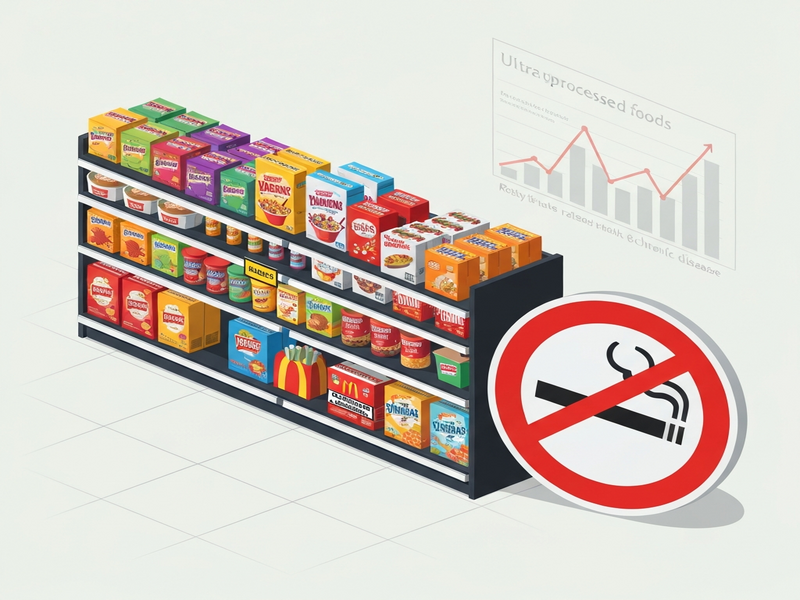
Ultra‑processed foods should be regulated in the same rigorous way as cigarettes because they share engineered addictive properties and pose comparable public‑health risks.
Why Ultra‑Processed Foods Are Back on the Policy Radar
In the last decade, the surge of ultra‑processed foods (UPFs) has reshaped global diets, turning snack aisles into high‑profit corridors for multinational manufacturers. Health‑conscious consumers, public‑health policymakers, and nutrition researchers are now demanding a clearer regulatory framework. The urgency grew after a recent Guardian investigation highlighted striking parallels between UPFs and tobacco products.
Understanding these parallels requires a look at the food‑tech ecosystem that powers modern product design. Platforms like the UBOS platform overview enable rapid prototyping of food‑related AI tools, from nutrition analysis to personalized diet recommendations. While such technology can empower healthier choices, it also equips manufacturers with sophisticated means to engineer cravings.
Guardian Findings: Ultra‑Processed Foods Mirror Cigarettes
The Guardian article, based on a study published in The Milbank Quarterly, argues that UPFs are deliberately engineered to trigger reward pathways in the brain—much like nicotine. Researchers from Harvard, Michigan, and Duke identified three core similarities:
- Design for Addiction: Additives, flavor enhancers, and texture modifiers create a “sensory hook” that drives repeat consumption.
- Marketing “Health‑Washing”: Labels such as “low‑fat” or “sugar‑free” mask the underlying risk, echoing the historic “filtered” cigarette campaigns.
- Supply‑Chain Dominance: Global distribution networks ensure ubiquitous availability, making it hard for individuals to avoid exposure.
These findings echo earlier warnings from nutrition scientists who warned that the high salt, sugar, and fat content of UPFs fuels obesity, type‑2 diabetes, and cardiovascular disease. The Guardian piece also notes that the addictive potential of UPFs is reinforced by aggressive digital advertising, a tactic refined by AI‑driven platforms like the AI marketing agents that can personalize promotions at scale.
Health Implications: From Micronutrient Deficiency to Chronic Disease
Beyond the obvious calorie overload, ultra‑processed foods disrupt metabolic health in several ways:
- Gut Microbiome Alteration: Emulsifiers and artificial sweeteners erode beneficial gut bacteria, impairing immune function.
- Nutrient Dilution: UPFs often replace whole foods rich in fiber, vitamins, and minerals, leading to micronutrient gaps.
- Accelerated Disease Progression: Epidemiological data link high UPF consumption to a 30% increase in all‑cause mortality.
These outcomes are especially concerning for vulnerable groups—children, low‑income families, and the elderly—who rely on inexpensive, shelf‑stable foods. The UBOS solutions for SMBs can help small retailers diversify product offerings, but policy action remains essential.
Policy Recommendations: A Roadmap for Regulators
Drawing from tobacco‑control successes, experts propose a multi‑pronged strategy:
1. Mandatory Front‑of‑Pack Warning Labels
Clear, graphic warnings about addiction risk and long‑term health effects should appear on all UPF packaging, mirroring the pictorial warnings on cigarette packs.
2. Marketing Restrictions
Ban targeted advertising to children on digital platforms and limit health‑claim language unless substantiated by independent research. The OpenAI ChatGPT integration can be leveraged to audit marketing copy for compliance.
3. Taxation and Pricing Policies
Implement a tiered sugar‑and‑fat tax similar to the UK’s Soft Drinks Industry Levy, incentivizing reformulation toward healthier alternatives.
4. Reformulation Standards
Set maximum thresholds for added sugars, sodium, and artificial additives. Companies using the Chroma DB integration can track ingredient composition in real time.
5. Public‑Health Campaigns Powered by AI
Deploy AI‑driven education tools—such as the AI SEO Analyzer and AI Article Copywriter—to disseminate evidence‑based nutrition guidance.
These measures collectively shift responsibility from the individual consumer to the food industry, echoing the paradigm shift that saved millions of lives after tobacco regulation.
From Cigarettes to Snacks: What the Tobacco Playbook Teaches Us
Regulating tobacco involved four critical levers that can be adapted for UPFs:
| Tobacco Lever | Potential UPF Application |
|---|---|
| Advertising bans | Prohibit digital ads that target minors; require transparent ingredient disclosure. |
| Plain packaging | Standardized packaging with health warnings, limiting brand‑driven visual appeal. |
| Excise taxes | Sugar‑and‑fat levies that raise the price of the most harmful products. |
| Public‑health litigation | Enable class‑action lawsuits for deceptive health claims. |
Adapting these levers requires robust data infrastructure. The Workflow automation studio can streamline compliance reporting, while the Web app editor on UBOS allows regulators to build citizen‑facing dashboards without extensive coding.
What You Can Do Today
Whether you are a consumer, a policymaker, or a tech entrepreneur, there are concrete steps you can take:
- Demand transparent labeling from brands you purchase.
- Support legislation that imposes front‑of‑pack warnings and marketing limits.
- Leverage AI tools—like the AI YouTube Comment Analysis tool—to monitor public sentiment around UPFs.
- Partner with platforms such as UBOS partner program to develop community‑focused nutrition apps.
For startups aiming to innovate responsibly, the UBOS for startups offers a sandbox environment to prototype AI‑driven health solutions while adhering to emerging regulations.
“We cannot treat ultra‑processed foods as a harmless convenience when the evidence shows they are engineered for addiction. It’s time for policy to catch up.” – Prof. Ashley Gearhardt, University of Michigan
Explore more AI‑powered resources that can help you stay ahead of the regulatory curve:
- AI Video Generator
- AI Image Generator
- AI Email Marketing
- AI Chatbot template
- GPT-Powered Telegram Bot
- AI Voice Assistant
- AI Survey Generator
For a deeper dive into how AI can transform public‑health policy, visit the UBOS homepage or read our UBOS portfolio examples. Together, we can build a healthier food future.
Andrii Bidochko
CTO UBOS
Andrii Bidochko is an AI entrepreneur and researcher focused on AI agents, reinforcement learning, and autonomous systems. He writes about the technologies shaping the future of machine intelligence, from frontier models and agent architectures to real-world AI applications.