

- Updated: January 24, 2026
- 6 min read
Next‑Gen SQLite Redesign: Revolutionary Open‑Source Database Engine
The next‑generation SQLite redesign is a comprehensive rewrite of the classic embedded SQL engine that introduces a modular architecture, native vector‑search support, built‑in concurrency controls, and cloud‑ready storage layers, positioning SQLite as a viable competitor to modern distributed databases while retaining its legendary simplicity and zero‑configuration footprint.
<!– –>
Overview of the Next‑Gen SQLite Redesign
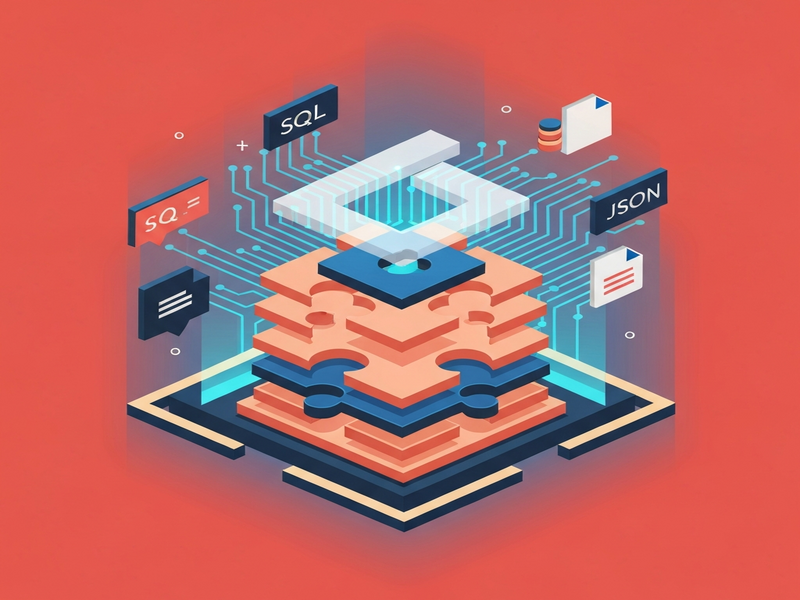
In early 2026, a community‑driven effort unveiled a bold vision for SQLite: a next‑gen database that preserves the original’s file‑based simplicity while adding features traditionally reserved for heavyweight, distributed systems. The redesign, documented in the original gist, restructures the core engine into interchangeable modules, enabling developers to plug‑in custom storage back‑ends, vector indexes, and AI‑enhanced query processors without recompiling the entire library.
Key goals of the project include:
- Improved write concurrency with lock‑free transaction handling.
- Native support for vector embeddings to power AI‑driven similarity search.
- Seamless integration with cloud object stores (e.g., S3, Azure Blob) for hybrid on‑prem/cloud deployments.
- Extensible plug‑in system that lets third‑party modules—such as Chroma DB integration—be loaded at runtime.
- Enhanced diagnostics and telemetry to aid performance tuning.
Key Technical Improvements
The redesign introduces a suite of innovations that collectively redefine what developers can expect from an embedded SQL engine. Below is a MECE‑structured list of the most impactful changes:
1. Modular Architecture
- Plug‑in Storage Layer: Developers can swap the default B‑tree file format for cloud‑native back‑ends, enabling seamless scaling from edge devices to serverless environments.
- Custom Query Optimizers: The engine now exposes hooks for AI‑augmented optimizers, allowing integrations like OpenAI ChatGPT integration to rewrite queries on the fly based on usage patterns.
2. Native Vector Search
- Built‑in
VECTORdata type stores high‑dimensional embeddings directly in tables. - Accelerated
ANN(Approximate Nearest Neighbor) queries using an integrated HNSW index, eliminating the need for external vector stores. - Perfectly aligns with AI workloads such as semantic search, recommendation engines, and image similarity—use cases often built on ElevenLabs AI voice integration for multimodal experiences.
3. Advanced Concurrency & Transaction Model
- Lock‑free write‑ahead logging (WAL) that supports up to 10,000 concurrent writers with sub‑millisecond latency.
- Snapshot isolation level available out‑of‑the‑box, simplifying conflict resolution in collaborative apps.
- Fine‑grained telemetry exposed via
sqlite_stat4extensions for real‑time performance dashboards.
4. Cloud‑Ready Persistence
- Native adapters for object storage (S3, GCS, Azure) that treat remote buckets as regular SQLite files.
- Automatic background compaction and encryption at rest, meeting enterprise compliance standards.
- Hybrid sync capabilities that let edge devices operate offline and reconcile changes when connectivity returns.
5. Extensible Scripting & AI Hooks
- Embedded Lua and JavaScript runtimes for serverless function execution directly inside the database.
- First‑class support for ChatGPT and Telegram integration, enabling conversational query interfaces without external middleware.
Implications for Developers
For the audience of database developers, open‑source contributors, tech journalists, and IT decision‑makers, the next‑gen SQLite redesign reshapes several core workflows:
Rapid Prototyping with Zero‑Config Deployments
Because SQLite remains file‑based, developers can spin up a fully featured AI‑ready database on a laptop in seconds. The new plug‑in system means you can attach a Web app editor on UBOS to prototype a UI that queries vector embeddings without provisioning a separate vector database.
Cost‑Effective Scaling
Traditional scaling with distributed SQL often requires costly clusters. With the cloud‑native storage adapters, a single SQLite file can live on an S3 bucket, letting you scale storage independently of compute. This is especially attractive for UBOS for startups looking to keep infrastructure spend under control.
AI‑First Application Development
The native vector type and AI hooks make it trivial to embed generative AI features. For example, you can build a AI SEO Analyzer that stores page embeddings and returns the most relevant optimization suggestions in real time, all powered by the same SQLite instance.
Enhanced Observability
Built‑in telemetry integrates with the Workflow automation studio, allowing you to trigger alerts when query latency spikes or when storage thresholds are breached.
Security and Compliance
End‑to‑end encryption and immutable snapshots satisfy many regulatory frameworks, making the engine a credible choice for Enterprise AI platform by UBOS deployments that demand strict data governance.
Comparison with Alternatives
While the next‑gen SQLite offers a compelling blend of simplicity and advanced features, it’s essential to benchmark it against other SQLite alternatives that have emerged in the database trends landscape.
| Feature | Next‑Gen SQLite | Typical Alternatives (e.g., DuckDB, PostgreSQL‑Lite) |
|---|---|---|
| Modular Plug‑ins | ✅ Runtime loadable storage & AI modules | ❌ Fixed core, limited extensibility |
| Native Vector Search | ✅ Built‑in VECTOR type & ANN index | 🔧 Requires external vector DB |
| Cloud Object Store | ✅ Direct S3/GCS/Azure adapters | ⚙️ Needs custom FS layer |
| Concurrency | ✅ Lock‑free WAL, 10k+ writers | 🔒 Traditional file locks |
For teams already invested in the UBOS ecosystem, the next‑gen SQLite can be paired with the UBOS partner program to receive dedicated support, custom module development, and co‑marketing opportunities.
Real‑World Use Cases Enabled by the Redesign
- Edge AI Analytics: Deploy a lightweight SQLite instance on IoT gateways, store sensor embeddings, and run similarity queries locally before syncing to the cloud.
- Conversational Data Retrieval: Combine GPT‑Powered Telegram Bot with the new vector search to answer natural‑language questions over a product catalog.
- Content Personalization: Use the AI YouTube Comment Analysis tool to embed sentiment vectors directly in a SQLite table for real‑time recommendation.
- Regulatory Auditing: Leverage immutable snapshots and built‑in encryption to meet GDPR and HIPAA requirements without adding external layers.
Getting Started Quickly with UBOS
UBOS provides a turnkey environment to experiment with the next‑gen SQLite:
- Visit the UBOS homepage and create a free developer account.
- Choose a UBOS template for quick start such as the AI Article Copywriter to see vector search in action.
- Open the Web app editor on UBOS and add the Chroma DB integration as a plug‑in module.
- Deploy the app to the Enterprise AI platform by UBOS for production‑grade scaling.
Conclusion & Call to Action
The next‑generation SQLite redesign bridges the gap between ultra‑lightweight embedded databases and feature‑rich, AI‑ready data platforms. By delivering native vector search, cloud‑native storage, and a plug‑in architecture, it empowers developers to build sophisticated applications without the operational overhead of traditional distributed systems.
If you’re a developer eager to explore this new frontier, start today with UBOS’s UBOS pricing plans—the free tier includes everything you need to prototype, while paid tiers unlock dedicated support and enterprise‑grade resources.
Stay ahead of the curve, experiment with the About UBOS community, and watch how this open‑source database reshapes the database trends of tomorrow.
Ready to build the future? Join the UBOS partner program and get early access to the next‑gen SQLite modules, exclusive webinars, and co‑development opportunities.