

- Updated: January 7, 2026
- 6 min read
OpenAI Launches ChatGPT Health Connect: AI Meets Medical Records
OpenAI’s ChatGPT Health Connect lets users securely link their medical records and popular wellness apps to a dedicated, sandboxed ChatGPT tab that delivers personalized health insights while explicitly stating it is not a diagnostic or treatment tool.
OpenAI Unveils ChatGPT Health Connect – A New Frontier for AI‑Powered Personal Health
Imagine asking an AI assistant not only about the latest fitness trends but also about the meaning of the lab results that landed in your inbox yesterday. On January 7 2026, OpenAI turned that vision into reality with the launch of ChatGPT Health Connect, a sandboxed environment inside ChatGPT that promises a more secure, personalized, and data‑driven health experience. For tech‑savvy professionals and health‑enthusiasts, this announcement signals a shift from generic wellness chatbots to a truly integrated health companion.
What Is ChatGPT Health Connect?
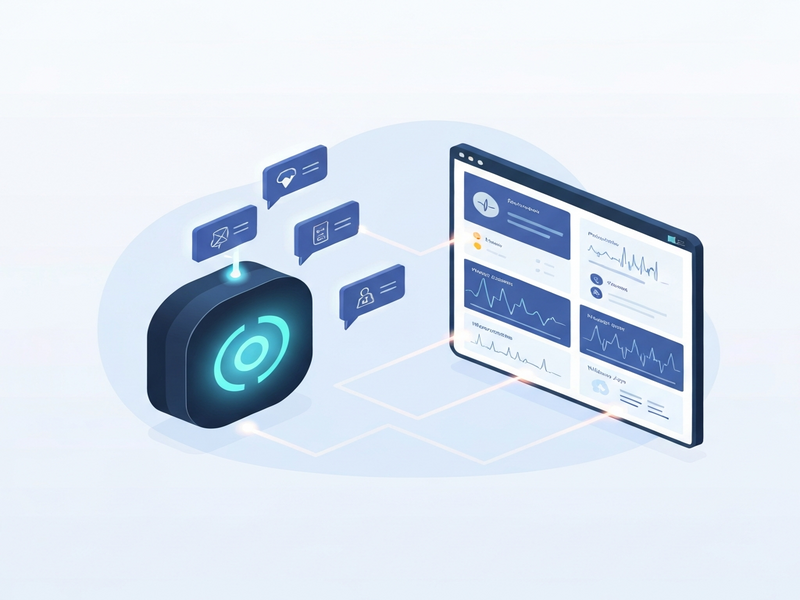
ChatGPT Health Connect is a separate tab within the ChatGPT interface that isolates health‑related conversations from the rest of the model’s memory. Users can upload electronic medical records (EMRs), lab reports, and data from wellness platforms such as Apple Health, MyFitnessPal, or Peloton. The AI then uses this context to generate answers that are “grounded” in the user’s personal health history, offering explanations of test results, preparation tips for upcoming appointments, and lifestyle recommendations.
“ChatGPT Health is designed to help you understand your health data, not to replace a medical professional.” – OpenAI Blog
Key Features and Strategic Partnerships
OpenAI has built ChatGPT Health on a foundation of partnerships that bring real‑world medical data into the conversational flow. Below are the headline features that differentiate it from earlier AI health tools.
- Secure Medical Record Integration: Powered by OpenAI ChatGPT integration with b.well, allowing users to upload PDFs, HL7, or FHIR files directly into the chat.
- Wellness App Sync: One‑click connections to Apple Health, Peloton, MyFitnessPal, Weight Watchers, and Function for real‑time activity, nutrition, and lab‑test insights.
- Personalized Prompt Engine: The model remembers health‑specific context across a session, but never mixes it with non‑health chats, preserving privacy.
- AI‑Generated Summaries: Users receive concise, layperson‑friendly explanations of complex lab values, medication lists, and imaging reports.
- Multi‑Modal Voice Support: Through the ElevenLabs AI voice integration, users can ask questions hands‑free and receive spoken answers.
- Developer‑Friendly Extensibility: The Chroma DB integration lets developers store vector embeddings of health data for fast similarity search.
OpenAI’s partnership ecosystem also includes a ChatGPT and Telegram integration, enabling users to receive health summaries on the go via secure Telegram bots, while the Telegram integration on UBOS provides a ready‑made bridge for enterprises that already use Telegram for internal communications.
Privacy and Security Measures
Privacy is the cornerstone of ChatGPT Health. OpenAI has implemented a multi‑layered security architecture that includes:
- End‑to‑end encryption for data in transit and at rest (though not full E2E for the UI, the backend storage is encrypted).
- Separate data silo: health chats are stored in an isolated database that never mixes with general ChatGPT logs.
- Opt‑out training: By default, health conversations are excluded from model training, and users can explicitly disable any data sharing.
- Compliance framework: While OpenAI notes that HIPAA does not apply to consumer‑grade products, the platform follows industry‑standard safeguards and can respond to lawful requests with minimal data exposure.
OpenAI also built a “sensitive‑topic filter” that automatically redirects users discussing mental‑health crises or emergency symptoms to professional resources, echoing the approach taken by other AI health pilots.
Potential Impact on Users and the Healthcare Industry
The ripple effects of ChatGPT Health Connect could be profound:
- Empowered Patients: Individuals can decode complex lab reports without waiting for a follow‑up appointment, reducing anxiety and improving adherence to treatment plans.
- Reduced Administrative Load: Clinicians may spend less time re‑explaining test results, allowing more focus on decision‑making.
- Data‑Driven Preventive Care: By aggregating anonymized trends (while respecting privacy), OpenAI could surface population‑level insights that help public‑health agencies spot emerging issues.
- New Business Models: Health‑tech startups can embed ChatGPT Health into their platforms, creating subscription‑based “AI health concierge” services.
- Risk of Over‑Reliance: The disclaimer “not intended for diagnosis or treatment” remains critical; misuse could lead to misinformation or delayed professional care.
For SaaS companies, the launch opens a pathway to integrate AI‑driven health features without building large language models from scratch. The UBOS platform overview already supports plug‑and‑play AI modules, making it easier for developers to embed health‑specific prompts, voice assistants, and data pipelines.
External Reference
The original announcement was covered in detail by The Verge, which highlighted OpenAI’s emphasis on privacy, the beta‑waitlist rollout, and the strategic partnership with b.well.
How UBOS Is Positioning Itself Around the New Health AI Wave
UBOS has been quick to adapt its ecosystem to the emerging health‑AI market. Below are some resources that illustrate how our platform can complement ChatGPT Health:
- AI marketing agents can promote health‑focused SaaS products while respecting user consent.
- UBOS pricing plans include a tier for health‑tech startups that need secure data handling.
- UBOS templates for quick start feature pre‑built health‑assistant flows that integrate with ChatGPT Health APIs.
- AI SEO Analyzer helps health‑tech companies optimize their content for both human and AI search.
- AI Article Copywriter can generate patient‑education blogs that align with the latest medical guidelines.
- AI Video Generator enables creation of explainer videos that walk users through how to upload their records safely.
- UBOS portfolio examples showcase successful health‑tech deployments that leveraged AI assistants.
- UBOS for startups provides mentorship and technical support for early‑stage health AI innovators.
- Enterprise AI platform by UBOS offers large‑scale compliance tools for hospitals and health networks.
What to Watch Next
The rollout of ChatGPT Health Connect is still in beta, but several trends are already emerging:
- Integration with Wearables: Expect deeper ties with devices that capture continuous glucose, ECG, and sleep data.
- Regulatory Dialogue: Governments will likely issue guidance on AI‑driven health advice, prompting platforms to adopt stricter compliance layers.
- Cross‑Platform Bots: The GPT‑Powered Telegram Bot concept could become a standard channel for quick health checks.
- AI‑Assisted Clinical Documentation: Clinicians may use the same underlying models to auto‑populate EMR fields, reducing burnout.
Conclusion & Call to Action
OpenAI’s ChatGPT Health Connect marks a pivotal moment where conversational AI meets personal health data in a privacy‑first container. For tech‑savvy professionals, the platform offers a sandbox to experiment with AI‑driven health insights without compromising security. For health‑tech entrepreneurs, it opens a fast‑track to embed sophisticated language models into patient‑facing apps.
If you’re ready to explore how AI can transform your health‑related product, start by visiting the UBOS homepage and checking out our About UBOS page to learn more about our commitment to secure AI solutions.
Take the next step: join the waitlist for ChatGPT Health, experiment with UBOS’s health‑AI templates, and stay ahead of the AI health revolution.