

- Updated: January 6, 2026
- 6 min read
Retro Video Game Websites of the Early 2000s: A Nostalgic Look
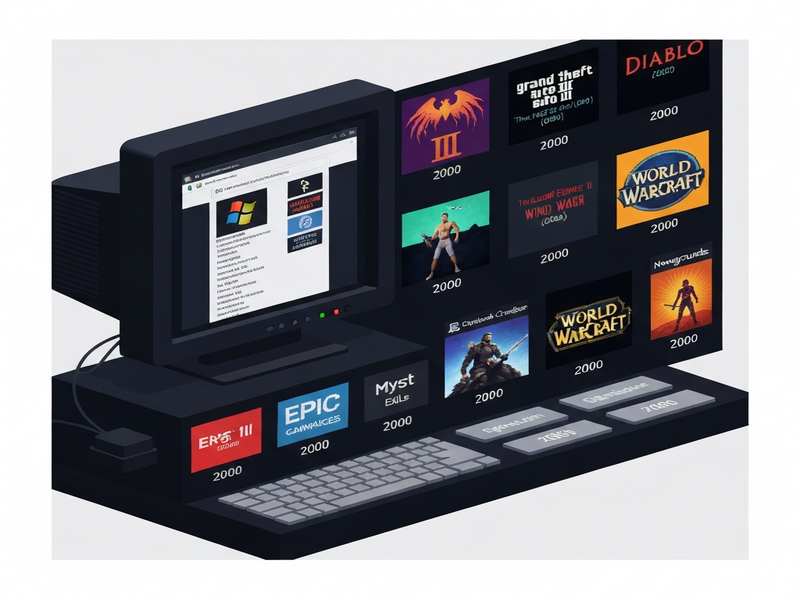
Early 2000s video game websites were bold, bandwidth‑hungry showcases that combined flashing GIFs, tiled backgrounds, and early JavaScript widgets to turn a simple landing page into a virtual arcade lobby.
Retro Revival: How Early‑2000s Video Game Websites Shaped Modern Gaming UI
Remember the thrill of landing on a site where “Press Start” animated banners pulsed in neon, and a soundtrack of MIDI loops greeted you before the game even loaded? Those iconic designs aren’t just nostalgia—they’re a milestone in web evolution. For a deep dive into the original research, see the original source that first catalogued this era.
Design Trends That Defined the Early 2000s
The turn of the millennium was a wild frontier for web designers, especially those building sites for video‑game publishers. The following trends emerged as the backbone of the early 2000s video game websites landscape:
- Flash‑Heavy Animations: Before HTML5, Flash was the go‑to tool for interactive menus, character demos, and mini‑games.
- Layered GIFs & Sprite Sheets: Designers used tiled GIFs to simulate motion, creating a kinetic feel without heavy scripts.
- Table‑Based Layouts: CSS was still nascent, so tables structured every column, sidebar, and navigation bar.
- Embedded Media Players: RealPlayer and Windows Media Player widgets streamed trailers directly on the page.
- Pixel‑Perfect Branding: Logos were rendered at exact pixel dimensions to preserve the game’s visual identity.
- Visitor Counters & Guestbooks: Community engagement was measured by visible hit counters and guestbook entries.
These elements combined to create a nostalgic web design experience that still influences modern UI patterns, especially in indie game marketing.
Iconic Examples & Their Signature Elements
Below are some of the most memorable sites, each illustrating a unique facet of the era’s aesthetic.
1. UBOS templates for quick start – A Modern Lens on Retro Design
While not a 2000s site itself, the UBOS templates for quick start library includes community‑contributed retro themes that mimic the era’s tiled backgrounds and animated cursors, proving that the style is still marketable.
2. Blizzard Entertainment (2002)
Blizzard’s portal for World of Warcraft featured a massive scrolling banner, a live server status widget, and a background that shifted from day to night. The site’s dynamic status bar was an early example of real‑time data integration.
3. EA Games (2001)
EA’s site used a frame‑based navigation that kept the menu static while the main content scrolled. This gave the illusion of a “game console” UI, complete with sound effects on hover.
4. Newgrounds (2000‑2003)
Newgrounds pioneered user‑generated content with a grid of animated thumbnails. Its “Featured” carousel used JavaScript to rotate flash games, setting a template for modern game discovery platforms.
5. Ubisoft (2001)
Ubisoft’s site for Rayman 2 employed a parallax scrolling effect—a technique that would later become mainstream with CSS3 but was groundbreaking at the time.
These sites shared a common DNA: bold colors, heavy media, and a sense of interactivity that invited users to explore beyond static pages.
Why Preserving This Web History Matters
Web design is a cultural artifact. The gaming website history offers insights into:
- Technological Evolution: Understanding how designers worked around bandwidth limits informs modern performance optimization.
- Brand Storytelling: Early sites captured the excitement of game launches, a lesson for today’s marketers.
- Community Building: Guestbooks and forums were precursors to today’s Discord servers and Reddit communities.
“If we lose the visual record of early gaming sites, we lose a chapter of internet culture.” – Digital Historian, About UBOS
Preserving these designs isn’t just about nostalgia; it’s about maintaining a web design museum for future creators. Platforms like the UBOS platform overview enable archiving, versioning, and even recreating classic layouts with modern tools.
Explore, Recreate, and Innovate with UBOS
If you’re a tech‑savvy gamer, web designer, or digital historian, UBOS offers a suite of tools to bring retro aesthetics into the present:
- Start at the UBOS homepage to discover the full ecosystem.
- Leverage the Web app editor on UBOS to drag‑and‑drop classic components without writing code.
- Automate content updates with the Workflow automation studio, perfect for rotating game trailers.
- Integrate modern AI assistants—like the ChatGPT and Telegram integration—to provide instant support for retro‑gaming communities.
- Enhance audio experiences using the ElevenLabs AI voice integration, giving your site a nostalgic announcer voice.
- Store and query historical assets with the Chroma DB integration, ensuring fast retrieval of legacy graphics.
- Monetize your retro portal through AI marketing agents that personalize offers based on visitor behavior.
- Review real‑world implementations in the UBOS portfolio examples to see how other creators revived classic game sites.
- Choose a plan that fits your budget via the UBOS pricing plans, whether you’re a solo indie dev or a large studio.
Whether you’re building a UBOS for startups showcase or a corporate Enterprise AI platform by UBOS, the tools are ready to help you blend retro charm with modern performance.
Boost Your Retro Project with Ready‑Made Templates
UBOS’s template marketplace offers pre‑built modules that accelerate development:
- AI SEO Analyzer – Optimize your retro site for modern search while preserving its vintage feel.
- AI Article Copywriter – Generate nostalgic blog posts about classic games in seconds.
- Talk with Claude AI app – Add an AI chatbot that answers trivia about early‑2000s titles.
- AI Video Generator – Produce retro‑styled trailers with a single click.
These templates are fully compatible with the Web app editor on UBOS, letting you drop them into your project without touching code.
Conclusion: From Pixelated Past to AI‑Powered Future
The early 2000s video game websites were more than flashy fanfare—they were laboratories of interaction, branding, and community building. By studying their design choices, modern creators can extract timeless principles: bold visual hierarchy, immersive media, and a focus on user excitement.
Today, with platforms like UBOS, you can preserve that heritage, remix it with AI, and launch a site that feels both retro and razor‑sharp. Dive in, explore the templates, and let the nostalgia fuel your next digital adventure.