

- Updated: December 12, 2025
- 7 min read
Native Ads Arrive on Stack Overflow and Stack Exchange – What It Means for Users and Advertisers
Stack Overflow and the entire Stack Exchange network will begin displaying native ads—advertisements that blend with question listings—starting in January 2026 as part of a new monetisation strategy.
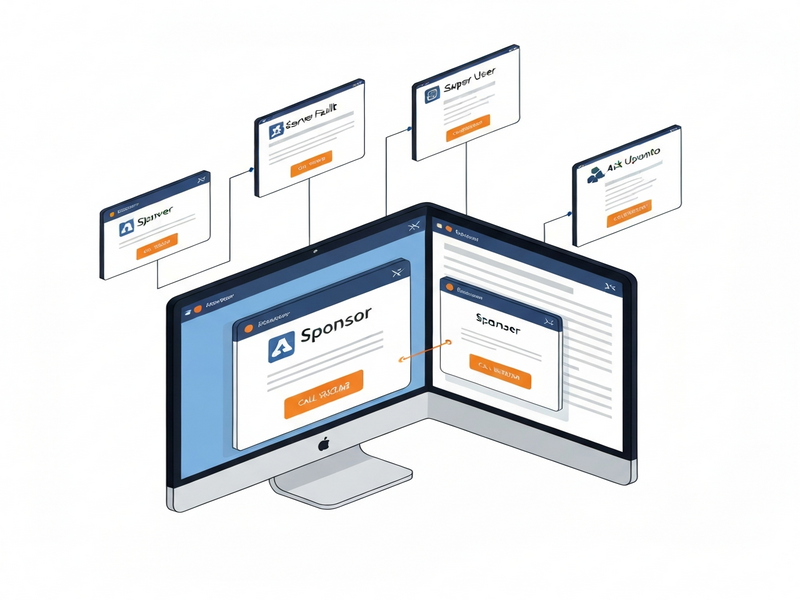
The announcement, posted on the official Meta site, confirms that native ads are coming soon to Stack Overflow and Stack Exchange. This move marks the first time the network will embed paid content directly into the question feed, a shift that could reshape the experience for developers, marketers, and advertisers alike.
What Are Native Ads? – Definition and Format
In digital advertising, native ads are promotional units designed to match the look, feel, and function of the surrounding editorial content. Unlike traditional banner or sidebar ads, native ads appear as regular list items—in this case, as question entries—while clearly labelled as sponsored.
- They use the same typography, spacing, and layout as genuine questions.
- A small “Sponsored” badge and partner logo appear on the left side to maintain transparency.
- Tag links within the ad remain functional, directing users to the normal tag index pages.
- Each ad includes a “Report this ad” link that works like the existing report mechanism.
The design follows strict accessibility guidelines (WCAG 2.2 AA) to ensure contrast and readability, a point the Stack Exchange team emphasized after community feedback on early mock‑ups.
Rollout Timeline and Plan for Stack Overflow & Stack Exchange
The rollout will be phased, beginning with the most trafficked sites and expanding network‑wide:
| Phase | Target Sites | Start Date | Ad Frequency |
|---|---|---|---|
| 1 | Stack Overflow, Server Fault, Super User | January 2026 | 1 ad per 5 questions (first ad after the 2nd post) |
| 2 | Remaining Stack Exchange sites with existing banner ads | Q2 2026 | Same frequency, adjustable per site based on traffic |
| 3 | Special‑case sites (e.g., MathOverflow – excluded) | Post‑launch review | No native ads unless a separate agreement is reached |
Sales outreach for the new format begins immediately, with advertisers able to purchase slots through the existing UBOS partner program. The network will monitor click‑through rates, user feedback, and accessibility metrics throughout the pilot.
Expected Impact on Users and Advertisers
For Developers and Community Members
The primary concern among developers is the potential for distraction. By inserting an ad every five questions, the visual flow of the Q&A list will be altered, but the clear “Sponsored” label aims to keep the experience honest. Users with the “Reduced ads” privilege will still see these native units, as the privilege only applies to traditional leaderboard ads.
Key user‑impact points:
- Minimal increase in page load time—ads are served from the same CDN as existing assets.
- Accessibility remains intact; screen readers announce the “Sponsored” tag before the question title.
- Community moderation tools (e.g., “Report this ad”) stay unchanged.
- Users can continue to filter by tags; native ads respect ignored tags for visibility but not for click‑through.
For Advertisers and Marketers
Native ads promise higher engagement because they appear where users are already focused: the question list. Early tests on other platforms show a 30‑45 % lift in click‑through rates compared with sidebar banners. For tech‑savvy marketers targeting developers, this format offers:
- Precise audience targeting via tag‑based relevance (e.g., a cloud‑service ad on
awsordockertags). - Seamless integration with analytics pipelines—UBOS’s Chroma DB integration can store ad‑interaction embeddings for AI‑driven optimisation.
- Creative flexibility: advertisers can embed short videos, code snippets, or even interactive demos, thanks to the Web app editor on UBOS.
Official Statements and Community Reaction
“Native ads are a responsible way to fund continued improvements to the network while keeping the user experience transparent,” said Jenna Kelley, Director of Product at Stack Overflow. “We’ve worked closely with the community to ensure labeling and accessibility meet the highest standards.”
The community’s response has been mixed. Some developers appreciate the need for revenue, while others fear the ads could erode trust. Representative comments from Meta include:
- “If the ads are truly relevant to the tags, they could be useful, but they must never masquerade as genuine questions.” – user 400654
- “The ‘Report this ad’ link is a good safety net, but we need stronger visual cues for accessibility.” – Thomas Owens
- “I’m willing to tolerate a few well‑labelled ads if it means the platform stays free and can invest in AI‑assisted features.” – Ming Lee
Stack Exchange staff have pledged to iterate based on feedback, promising a review after the first quarter of 2026. They also highlighted that sites like MathOverflow, which have a special agreement, will remain ad‑free.
SEO Meta Description Suggestions
Below are three concise meta descriptions you can use to improve click‑through from search results:
- “Discover the upcoming native ads rollout on Stack Overflow and Stack Exchange, its format, timeline, and impact on developers and advertisers.”
- “Learn how native ads will appear in Stack Exchange question lists, what it means for site monetisation, and community reactions.”
- “Get the full guide to Stack Overflow’s new native advertising strategy, including rollout schedule, user impact, and advertiser benefits.”
Related UBOS Resources for Marketers and Developers
If you’re planning to leverage the new native‑ad format, UBOS offers a suite of tools that can help you design, test, and optimise campaigns:
- UBOS homepage – Overview of the AI‑powered advertising ecosystem.
- About UBOS – Company mission and expertise in AI‑driven marketing.
- AI marketing agents – Automate audience segmentation and creative generation.
- UBOS pricing plans – Flexible tiers for startups to enterprises.
- Enterprise AI platform by UBOS – Scale campaigns across multiple networks.
- Workflow automation studio – Build end‑to‑end ad pipelines without code.
- UBOS templates for quick start – Ready‑made native‑ad layouts.
- UBOS portfolio examples – Real‑world case studies of successful native campaigns.
- UBOS for startups – Budget‑friendly solutions for early‑stage companies.
- UBOS solutions for SMBs – Tailored tools for small‑to‑medium businesses.
The UBOS Template Marketplace also hosts specialised native‑ad templates that can be customised for Stack Exchange audiences:
- AI SEO Analyzer – Boost organic reach of your landing pages.
- AI Article Copywriter – Generate ad copy that matches Stack Exchange’s technical tone.
- ChatGPT and Telegram integration – Create interactive ad experiences that continue the conversation in messaging apps.
- ElevenLabs AI voice integration – Add spoken demos to native ads for a richer experience.
- GPT-Powered Telegram Bot – Drive post‑click engagement via chat bots.
Conclusion & Call‑to‑Action
The native‑ad rollout on Stack Overflow and Stack Exchange represents a strategic pivot toward sustainable revenue while preserving the platform’s core mission of delivering high‑quality, community‑driven knowledge. For developers, the change is largely invisible beyond a subtle “Sponsored” label; for advertisers, it opens a premium channel to reach a highly technical audience at scale.
What you can do now:
- Stay informed by following the UBOS tech updates for the latest AI‑driven advertising insights.
- Explore UBOS’s AI YouTube Comment Analysis tool to gauge audience sentiment before launching a native campaign.
- Leverage the AI Survey Generator to collect feedback from your target developers after they interact with a native ad.
- Start building your first native‑ad prototype with the Web app editor on UBOS and test it on a sandbox Stack Exchange site.
By aligning your campaign with the network’s new advertising standards and using UBOS’s AI‑enhanced tools, you can create native ads that are both effective and respectful of the community’s expectations. Keep an eye on the rollout timeline, engage with the feedback loops, and you’ll be positioned to capture the attention of the world’s most active developer audience.
© 2025 UBOS – All rights reserved.