

- Updated: May 13, 2025
- 3 min read
Trump Administration Rescinds Biden’s AI Diffusion Rule: A Shift in Strategy
The Trump Administration has made a significant move by officially rescinding the Biden Administration’s AI Diffusion Rule, a decision that has sparked discussions across the tech and policy sectors. This change in direction is set to impact AI technology and trade policies globally. In this article, we delve into the key aspects of the AI Diffusion Rule, the Trump Administration’s new strategy, and the potential implications for the future of AI technology and international trade.
Understanding the AI Diffusion Rule
The AI Diffusion Rule, introduced by the Biden Administration, aimed to regulate the export of U.S.-made AI chips to various countries. This rule categorized countries into three tiers, each facing different levels of export restrictions. Tier 1 countries, such as Japan and South Korea, were exempt from restrictions. Tier 2 countries, including Mexico and Portugal, faced new limitations, while Tier 3 countries, like China and Russia, encountered tightened controls. The goal was to strengthen U.S. export controls and protect sensitive AI technology.
The Trump Administration’s Strategic Shift
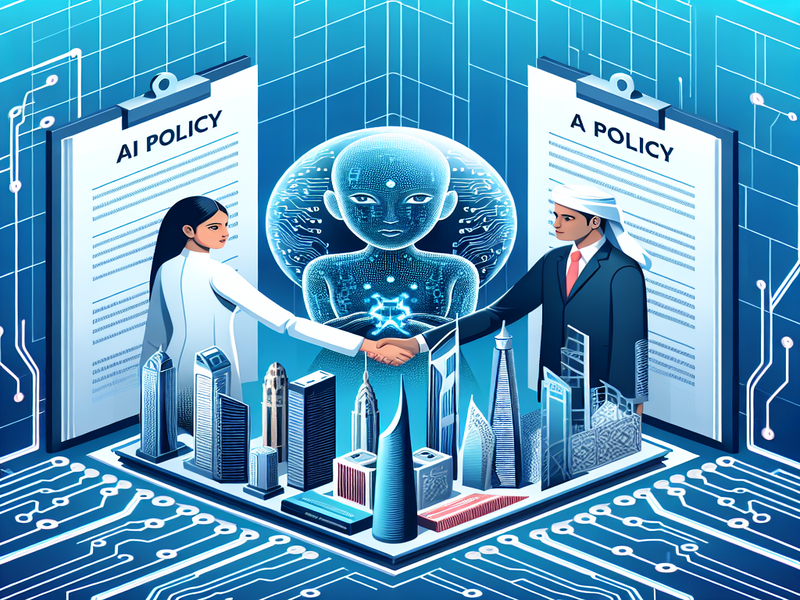
In a bold move, the Trump Administration has opted to rescind the AI Diffusion Rule, emphasizing a more inclusive approach to AI technology. The U.S. Department of Commerce (DOC) has announced plans to replace the rule with a new framework that focuses on direct negotiations with countries rather than blanket restrictions. This strategy aims to foster collaborations with trusted foreign nations while safeguarding AI technology from adversaries.
Jeffery Kessler, U.S. Secretary of Commerce for Industry and Security, stated, “The Trump Administration will pursue a bold, inclusive strategy to American AI technology with trusted foreign countries around the world, while keeping the technology out of the hands of our adversaries.”
Implications for AI Technology and Trade
The rescinding of the AI Diffusion Rule has significant implications for AI technology and international trade. By shifting towards a strategy of direct negotiations, the Trump Administration aims to create a more flexible and adaptive approach to AI export controls. This change could potentially open doors for enhanced collaborations and partnerships in the AI sector.
However, this decision also raises concerns about the potential risks of technology diversion and the need to ensure robust safeguards. The DOC has issued guidance to the industry, highlighting the importance of protecting chip supply chains and warning against the use of U.S. AI chips in training AI models in countries like China. These measures are crucial to maintaining the integrity of U.S. AI technology.
Conclusion and Future Outlook
As the Trump Administration forges a new path in AI export controls, the global AI landscape is poised for change. The decision to rescind the AI Diffusion Rule signifies a shift towards a more collaborative and strategic approach to AI technology and trade. While this move presents opportunities for enhanced partnerships, it also underscores the need for vigilance in safeguarding sensitive technology.
Looking ahead, the future of AI technology and trade policies will likely be shaped by ongoing negotiations and collaborations with international partners. As the U.S. navigates this evolving landscape, the importance of balancing innovation with security will remain paramount.
For more insights into AI technology and trade policies, explore the Enterprise AI platform by UBOS and discover how AI agents for enterprises are transforming industries. Additionally, learn about the UBOS solutions for SMBs and their impact on business growth.
For further details on the Trump Administration’s decision, read the original news article on TechCrunch.
Andrii Bidochko
CTO UBOS
Andrii Bidochko is an AI entrepreneur and researcher focused on AI agents, reinforcement learning, and autonomous systems. He writes about the technologies shaping the future of machine intelligence, from frontier models and agent architectures to real-world AI applications.