

- Updated: February 4, 2026
- 6 min read
Rogue Streaming Boxes Threaten Legal Landscape – UBOS Offers a Secure Alternative
Piracy streaming boxes such as SuperBox and vSeeBox are illegal, off‑the‑grid devices that give users free access to thousands of TV channels, movies, and live sports by bypassing licensed streaming services, and they are prompting lawsuits, security concerns, and a market shift toward secure, AI‑driven alternatives.
The Rise of Rogue Streaming Boxes
If you’ve ever walked past a farmer’s market stall in Texas and seen a plain‑looking box promising “free NFL, UFC, and every cable channel,” you’ve encountered the latest wave of piracy streaming boxes. A recent investigation by The Verge exposed how devices like SuperBox and vSeeBox have turned the dream of “cutting the cord” into a legal minefield.
These gadgets are marketed as affordable alternatives to pricey cable bundles, but they rely on unlicensed streaming services that scrape content from legitimate providers. The result? Millions of households can now watch premium content without paying a dime—while content owners scramble to protect their revenue.
What Are SuperBox and vSeeBox?
Both devices are built on generic Android TV hardware that can be purchased from overseas manufacturers for under $200. The difference lies in the proprietary software they ship with:
- SuperBox – bundles the “Blue TV” app, which mimics a full‑fledged cable lineup and offers a “Blue Playback” feature for time‑shifting.
- vSeeBox – includes the “Heat” app, a slick interface that looks like Sling or Fubo, complete with an electronic program guide.
Neither app appears in Google Play, and both require a one‑click installer that pulls the illegal streaming client from a hidden server. The hardware itself is legal, but the bundled software violates copyright law by redistributing protected streams.
Because the devices are sold through a shadow network of Facebook groups, local classifieds, and small e‑commerce sites, they evade the scrutiny that mainstream retailers like Walmart or Best Buy would apply.
Real‑World Users: Why People Buy These Boxes
The Verge interview highlighted several archetypal users, each illustrating a different pain point in the legal streaming ecosystem.
The Rural Cord‑Cutter
Jason, a farmer’s‑market vendor in Texas, sells SuperBox for $300‑$400, promising “no more $200 monthly cable bills.” He argues that the device “puts DirecTV out of business.”
The Sports‑Obsessed Subscriber
Natalie, a software consultant from California, needed access to 30+ streaming services to follow every game. She switched to a SuperBox, saving thousands while still watching live sports via the “Blue TV” app.
The Budget‑Conscious Senior
Eva, a grandmother from California, replaced a $300‑per‑month cable bundle with a vSeeBox, cutting her entertainment costs to under $70 a month.
The DIY Tech Enthusiast
James, a gas‑station mechanic in Alabama, uses a vSeeBox as a testbed for custom scripts, despite occasional glitches and security worries.
These stories reveal a common thread: rising subscription fees, fragmented content across dozens of platforms, and a desire for a single “all‑in‑one” solution—no matter the legal risk.
Legal Showdown: Lawsuits, Fines, and Industry Pushback
Cable giants and streaming services have responded with a barrage of lawsuits aimed at both the manufacturers and the resellers:
- Dish Network vs. SuperBox reseller (2025) – alleged direct ripping of Sling TV streams; the case remains pending.
- DirecTV & Dish combined suit (2024) – secured a $1.25 million judgment against a vSeeBox reseller for distributing 500 illegal devices.
- Copyright holder injunctions – multiple courts have issued temporary restraining orders to block the sale of “Blue TV” and “Heat” apps.
Beyond litigation, the industry is tightening technical defenses. Content providers are deploying advanced DRM, watermarking, and AI‑driven fingerprinting to detect unauthorized streams. Yet, the cat‑and‑mouse game continues: as soon as one method is blocked, a new version of the app appears.
How Piracy Boxes Reshape the Streaming Market
The proliferation of illegal devices has three major ripple effects:
- Price pressure on legitimate services – Providers are forced to bundle more channels or lower prices to retain customers.
- Increased security risk – Rogue boxes often ship with pre‑installed malware or act as botnet nodes for ad‑fraud schemes.
- Erosion of consumer trust – When users encounter unstable or compromised devices, they may blame the entire streaming ecosystem.
For advertisers, the hidden botnet activity translates into inflated ad impressions and wasted spend. For ISPs, the surge in bandwidth consumption from unlicensed streams can trigger throttling or even termination of service for repeat offenders.
UBOS: A Secure, AI‑Powered Alternative
While piracy boxes thrive on opacity, UBOS offers a transparent, legally compliant platform that gives developers and businesses the tools to build custom streaming experiences without risking copyright infringement.
Key differentiators:
- UBOS platform overview – a modular, cloud‑native stack that integrates with licensed content APIs.
- Enterprise AI platform by UBOS – leverages AI for personalized recommendations while respecting DRM.
- AI marketing agents – automate campaign creation without exposing users to illegal content.
- Workflow automation studio – lets operators orchestrate content ingestion pipelines that verify rights in real time.
- Web app editor on UBOS – empowers non‑technical teams to design sleek, legal streaming portals.
For startups and SMBs, UBOS provides pre‑built templates that accelerate go‑to‑market:
- UBOS for startups – fast‑track MVPs with built‑in compliance checks.
- UBOS solutions for SMBs – scalable pricing and support for growing media businesses.
- UBOS templates for quick start – includes ready‑made “AI Video Generator” and “AI SEO Analyzer” templates that can be repurposed for legal streaming dashboards.
Developers can also tap into advanced integrations that keep their apps future‑proof:
- OpenAI ChatGPT integration – adds conversational search across licensed catalogs.
- Chroma DB integration – provides vector‑based similarity search for content recommendation.
- ElevenLabs AI voice integration – creates natural‑sounding audio guides without infringing on copyrighted voice‑overs.
By leveraging these components, businesses can deliver a seamless, legal streaming experience that rivals the convenience of rogue boxes while protecting themselves from lawsuits and security breaches.
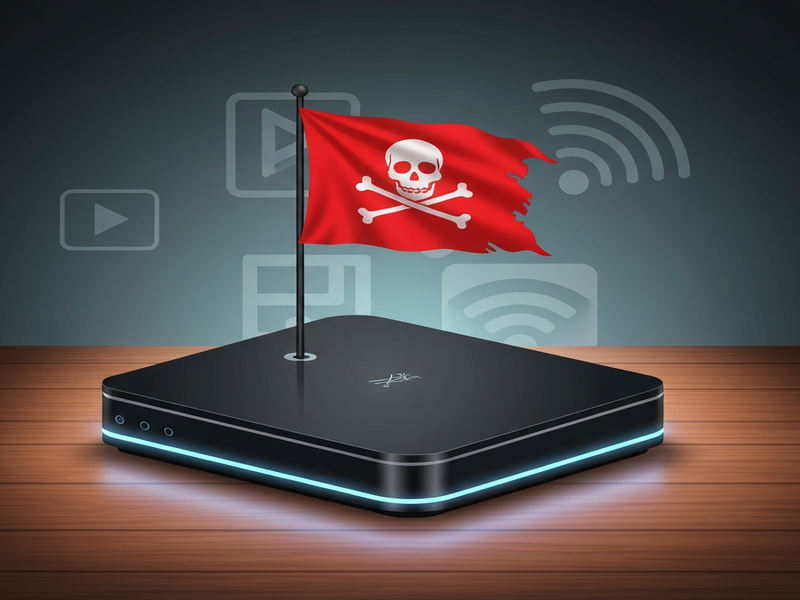
UBOS AI platform visualizing secure, licensed content delivery.
What’s Next for Consumers and the Industry?
The battle between piracy streaming boxes and legitimate services is far from over. As subscription costs climb, the temptation to “go rogue” will persist. However, the growing availability of secure, AI‑enhanced platforms like UBOS offers a compelling, lawful alternative that doesn’t sacrifice user experience.
If you’re a developer, startup founder, or media manager looking to build a future‑proof streaming solution, explore the UBOS portfolio examples for real‑world case studies, and review the UBOS pricing plans to find a tier that fits your budget.
For a hands‑on preview, try the Talk with Claude AI app or the AI Video Generator template—both showcase how AI can power legal content workflows without the risk of piracy.
Take action today: protect your brand, safeguard your users, and choose a compliant streaming solution that scales with the future of digital entertainment.
Andrii Bidochko
CTO UBOS
Andrii Bidochko is an AI entrepreneur and researcher focused on AI agents, reinforcement learning, and autonomous systems. He writes about the technologies shaping the future of machine intelligence, from frontier models and agent architectures to real-world AI applications.