

- Updated: December 12, 2025
- 5 min read
Nuclear Energy: Key to Europe’s Decarbonisation, Says EESC
Nuclear energy is a key pillar for decarbonising Europe, according to the European Economic and Social Committee (EESC).
Nuclear Energy: The Cornerstone of EU Decarbonisation – EESC’s Bold Call to Action
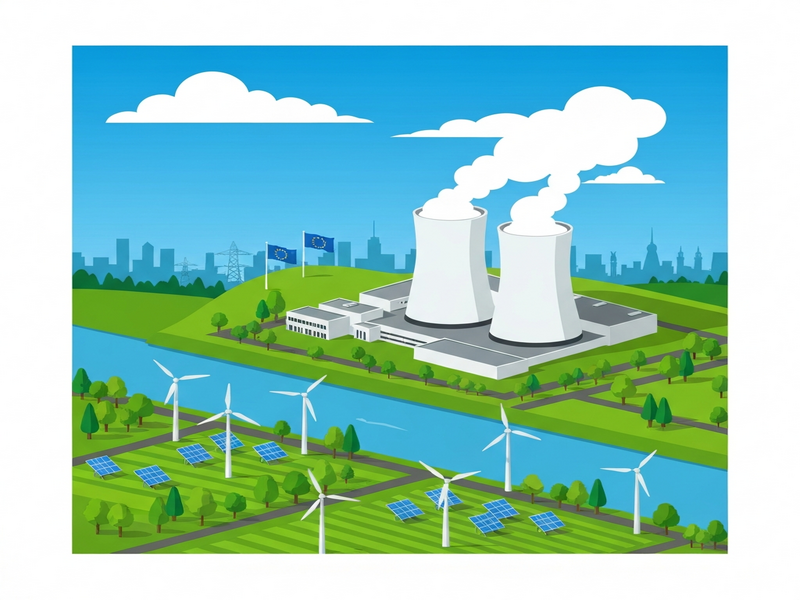
The European Economic and Social Committee (EESC) has formally adopted an opinion that positions nuclear power as an indispensable component of the EU’s clean‑energy mix, essential for phasing out fossil fuels and achieving climate‑neutrality by 2050. The committee urges the European Commission to embed concrete regulatory and financial mechanisms into the 8th Nuclear Illustrative Programme (PINC) and to foster transparent dialogue with civil society.
Why Nuclear Power Matters for Europe’s Climate Goals
Europe’s energy transition hinges on three pillars: renewable generation, energy efficiency, and reliable baseload power. While wind and solar have surged, their intermittent nature creates grid‑stability challenges that can only be mitigated by a steady, low‑carbon source. Nuclear energy delivers exactly that:
- Low‑carbon electricity: Nuclear reactors emit virtually no CO₂ during operation.
- Grid reliability: Unlike weather‑dependent renewables, nuclear provides continuous power 24/7.
- Industrial decarbonisation: Energy‑intensive sectors such as steel, cement, chemicals, and data centres need a stable supply of clean electricity.
- Strategic autonomy: Reducing dependence on imported fossil fuels strengthens the EU’s geopolitical resilience.
According to the latest EU energy policy insights, the Commission estimates that around €241 billion will be required by 2050 to modernise existing reactors, build new large‑scale plants, and develop Small Modular Reactors (SMRs) and Advanced Modular Reactors (AMRs). Without nuclear, the EU would need to double its renewable capacity while still facing intermittency‑related costs.
EESC’s Core Recommendations
The EESC opinion, drafted by rapporteur Dumitru Fornea and co‑rapporteur Alena Mastantuono, highlights four strategic levers:
- Regulatory certainty: Streamlined licensing, faster state‑aid decisions, and harmonised EU‑wide standards.
- Financial enablers: Access to EU cohesion funds, sustainable financing instruments, and parity with renewable‑energy incentives.
- Innovation support: Funding for advanced fuel‑cycle facilities, R&D on SMRs/AMRs, and a clear roadmap for fusion projects.
- Civil‑society dialogue: Structured, transparent engagement mechanisms to build public trust and address waste‑management concerns.
In a striking statement, Mr. Fornea noted that the European nuclear industry sustains more than 1.1 million jobs and operates a net‑zero value chain largely based within the EU. “If we want to effectively move away from coal, we need accessible clean energy and funding for nuclear,” he asserted.
“We call on the Commission to put forward concrete measures to make the investment planned under the PINC possible,” said Ms. Mastantuono. “This is more necessary than ever given the geopolitical turmoil which is forcing the Union to develop EU‑based capacities.”
Alignment with the EU’s Green Deal and Energy Security Agenda
The EESC’s recommendations dovetail with the European Green Deal’s ambition to cut net‑greenhouse‑gas emissions by at least 55 % by 2030. By treating nuclear on equal footing with renewables, the Commission can:
- Accelerate the de‑carbonisation of heavy industry.
- Provide a reliable back‑up for intermittent renewable sources.
- Reduce the EU’s exposure to volatile fossil‑fuel markets.
- Stimulate cross‑border cooperation on nuclear safety and waste management.
Moreover, the push for a transparent civil‑society dialogue mirrors the EU’s commitment to the Better Regulation framework, ensuring that policy decisions reflect societal values.
Actionable Roadmap for Decision‑Makers
Policymakers can translate the EESC’s vision into concrete outcomes by focusing on three implementation pillars:
| Pillar | Key Actions |
|---|---|
| Regulatory Streamlining | Adopt a single EU licensing framework; fast‑track state‑aid approvals; create a “Nuclear Fast‑Track” portal. |
| Financing & Incentives | Allocate dedicated cohesion‑fund lines; introduce green‑bond equivalents for nuclear; match renewable subsidies. |
| Stakeholder Engagement | Launch a Europe‑wide citizen forum; publish impact assessments; fund independent research on waste solutions. |
These steps not only satisfy the EESC’s call but also reinforce the EU’s broader ambition to become the world’s first climate‑neutral continent.
Leveraging UBOS Solutions for a Smarter Energy Future
While the policy debate unfolds, technology providers can accelerate implementation. UBOS offers a suite of AI‑driven tools that help energy ministries, utilities, and startups turn nuclear‑energy data into actionable insights:
- UBOS platform overview – a low‑code environment to build dashboards for reactor performance monitoring.
- Enterprise AI platform by UBOS – integrates real‑time sensor data with predictive maintenance models.
- Workflow automation studio – automates reporting to regulators and stakeholders.
- UBOS templates for quick start – includes an AI SEO Analyzer template to optimise public‑facing nuclear project sites.
- AI marketing agents – can craft transparent communication campaigns that address public concerns about nuclear waste.
By deploying these tools, EU agencies can meet the EESC’s demand for “transparent dialogue” and demonstrate the tangible benefits of nuclear power to citizens.
What You Can Do Next
If you are an energy policymaker, industry leader, or civil‑society advocate, consider the following actions:
- Read the full original EESC press release for detailed recommendations.
- Engage with the About UBOS team to explore AI‑enabled solutions for nuclear‑energy projects.
- Join the UBOS partner program to collaborate on data‑driven policy tools.
- Explore the UBOS portfolio examples for case studies on energy‑sector digital transformation.
- Leverage the UBOS pricing plans to start a pilot within your department.
By acting now, Europe can secure a resilient, low‑carbon energy system that safeguards both the climate and its strategic independence.