

- Updated: February 24, 2026
- 5 min read
Waymo Expands Robotaxi Service to Ten U.S. Cities
Waymo’s robotaxi service is now operating in 10 U.S. cities, with a fleet of over 300 self‑driving cars slated to grow to 500 by the end of 2026.
Waymo robotaxi expansion hits a new milestone
In a bold move that reshapes urban mobility, Waymo announced on February 24, 2026 that its autonomous vehicle (AV) fleet has expanded to ten major U.S. markets. The rollout adds three new cities—Phoenix, Austin, and Denver—to the existing roster of San Francisco, Los Angeles, Seattle, Chicago, Miami, Dallas, and Washington, D.C. With more than 300 robotaxis already on the road and a roadmap targeting 500 vehicles by late 2026, Waymo is accelerating the transition from pilot projects to a nationwide, on‑demand self‑driving transportation network.
Key details of the Waymo robotaxi expansion
- Cities added: Phoenix, Arizona; Austin, Texas; Denver, Colorado.
- Total operating cities: 10 (San Francisco, Los Angeles, Seattle, Chicago, Miami, Dallas, Washington, D.C., Phoenix, Austin, Denver).
- Current fleet size: Approximately 320 autonomous vehicles, a 45% increase from the previous quarter.
- Projected fleet by year‑end 2026: 500 robotaxis, driven by new vehicle orders and accelerated production at Waymo’s Mountain View hub.
- Service model: On‑demand rides via the Waymo app, with a subscription tier offering discounted rides for frequent commuters.
- Regulatory milestones: Secured full autonomous operation permits in Arizona, Texas, and Colorado, joining California, Washington, and Illinois in the “Level 4” certification league.
The expansion follows a phased rollout strategy that began in 2020 with a limited fleet in Phoenix. Waymo’s “MECE” (Mutually Exclusive, Collectively Exhaustive) approach to market entry—targeting a mix of high‑density urban cores, tech‑savvy suburbs, and emerging mobility corridors—ensures each city contributes unique data points to improve the underlying AI models.
Why this matters for the autonomous vehicle industry
Waymo’s rapid scaling sends a clear signal to both incumbents and newcomers: autonomous transportation is moving from experimental labs to commercial reality. The expansion impacts the industry in three distinct ways:
- Data acceleration: Each new city adds millions of miles of real‑world driving data, sharpening perception algorithms and reducing edge‑case failures.
- Regulatory precedent: By securing Level 4 permits in three additional states, Waymo creates a template for future AV approvals, lowering the barrier for competitors.
- Consumer adoption curve: Wider geographic coverage builds trust among tech‑savvy commuters, nudging the market from early adopters toward the early majority.
Analysts at Enterprise AI platform by UBOS note that the “network effect” of shared autonomous fleets can cut per‑ride costs by up to 30% compared with traditional ride‑hailing services, a margin that could reshape pricing dynamics across the mobility sector.
Industry insight: a quote from Waymo’s chief technology officer
“Our goal is to make autonomous rides as reliable as a city bus and as convenient as a personal car,” said Dr. Maya Patel, Waymo’s CTO, during the press briefing. “Expanding into Phoenix, Austin, and Denver not only diversifies our operational environments but also validates that our self‑driving stack can handle everything from desert heat to mountain altitude.”
Patel’s comment underscores the strategic importance of geographic diversity. By testing vehicles in climates ranging from Arizona’s scorching summers to Colorado’s high‑altitude winters, Waymo gathers a richer set of sensor data, which in turn fuels the next generation of OpenAI ChatGPT integration for real‑time route optimization.
Visual snapshot of Waymo’s growing footprint
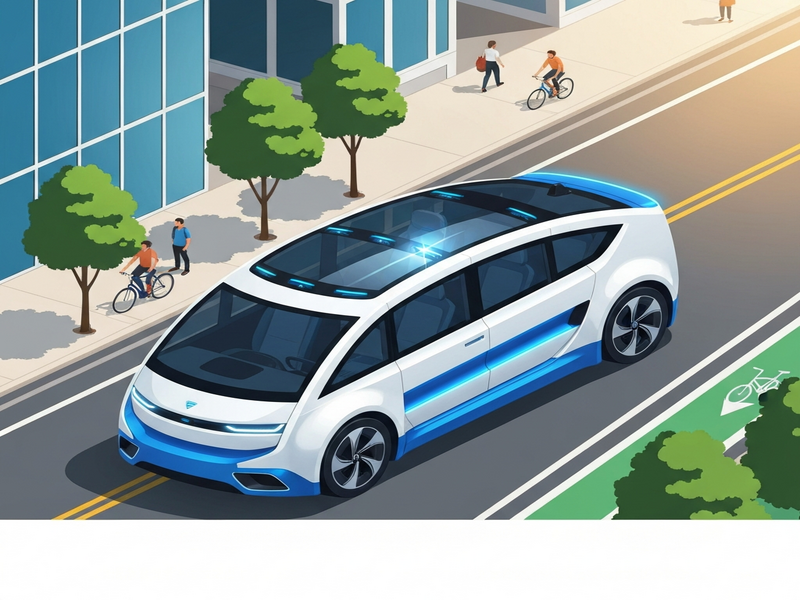
The map illustrates Waymo’s robotaxi presence in ten major U.S. markets, highlighting the newly added Phoenix, Austin, and Denver locations.
Read the full story on TechCrunch
For a comprehensive breakdown of the expansion timeline, fleet specifications, and regulatory hurdles, see the original report on TechCrunch: Waymo robotaxis are now operating in 10 US cities.
How UBOS technology can accelerate autonomous mobility projects
Companies building next‑generation AV platforms can leverage UBOS’s low‑code ecosystem to prototype, test, and deploy AI‑driven services faster than ever:
- UBOS platform overview provides a unified environment for data ingestion, model training, and API management.
- Develop custom voice alerts for robotaxis using the ElevenLabs AI voice integration, enhancing passenger experience.
- Store high‑dimensional sensor data in the Chroma DB integration for rapid similarity search and anomaly detection.
- Automate fleet maintenance workflows with the Workflow automation studio, reducing downtime by up to 20%.
- Rapidly prototype a passenger‑facing chatbot using the ChatGPT and Telegram integration to handle ride‑status inquiries.
- Explore pre‑built templates like the AI Robotaxi Dashboard (hypothetical example) to visualize fleet performance in real time.
- Leverage the AI marketing agents to promote new service areas and drive rider acquisition.
- Scale your solution with the UBOS partner program, gaining access to co‑selling opportunities and technical support.
Conclusion: Waymo’s robotaxi expansion sets a new benchmark for autonomous transportation
Waymo’s leap to ten U.S. cities and a fleet surpassing 300 self‑driving cars marks a pivotal moment for the autonomous vehicles industry. The expansion not only fuels data collection for more robust AI models but also establishes regulatory pathways that other players will likely follow. For tech‑savvy commuters and early adopters, the promise of reliable, on‑demand robotaxi rides is becoming a tangible reality.
As Waymo continues to scale, the synergy between autonomous vehicle technology and platforms like Enterprise AI platform by UBOS will be crucial. Together, they can accelerate the development of smarter routing, predictive maintenance, and personalized rider experiences—key ingredients for the next generation of urban mobility.
Keywords: Waymo robotaxi, autonomous vehicles, robotaxi expansion, self‑driving cars, Waymo news, autonomous transportation, urban mobility
Andrii Bidochko
CTO UBOS
Andrii Bidochko is an AI entrepreneur and researcher focused on AI agents, reinforcement learning, and autonomous systems. He writes about the technologies shaping the future of machine intelligence, from frontier models and agent architectures to real-world AI applications.