

- Updated: March 4, 2026
- 4 min read
US CFIUS Review of Tencent’s Gaming Stakes Raises National Security Concerns
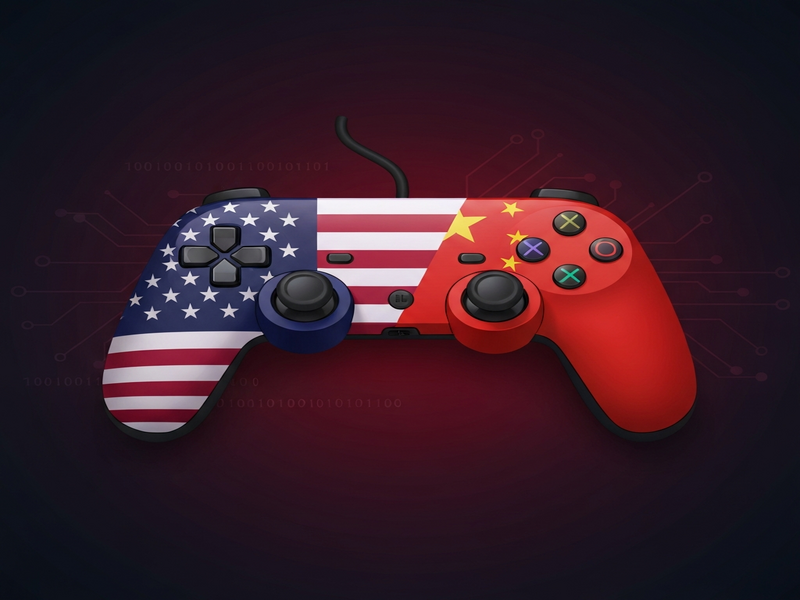
The United States is conducting a high‑level review of Tencent’s ownership stakes in Epic Games, Riot Games, and Supercell to determine whether those investments pose national‑security risks.
Quick Overview of the Review
In early March 2026, senior officials from the Committee on Foreign Investment in the United States (CFIUS) convened to discuss whether the Chinese tech giant Tencent should be allowed to retain its equity positions in three of the world’s most influential gaming firms. The debate centers on data privacy, strategic technology transfer, and the broader Technode report that details the administration’s concerns.
Background: Tencent’s Gaming Portfolio
Tencent Holdings Ltd. has built a formidable presence in the global gaming ecosystem through strategic investments and outright acquisitions:
- Epic Games – Tencent owns a 28% stake, granting it influence over the creator of Fortnite and the widely licensed Unreal Engine.
- Riot Games – Fully acquired in 2011, Riot is the developer behind the e‑sport juggernaut League of Legends.
- Supercell – Controlling shareholder after a 2016 consortium purchase; known for mobile hits like Clash of Clans and Clash Royale.
Collectively, these companies serve more than one billion players worldwide, generating massive streams of user data, in‑game telemetry, and financial transactions.
CFIUS Involvement and Inter‑Agency Divergence
CFIUS, the inter‑agency body that reviews foreign investments for national‑security implications, opened its investigation into Tencent’s holdings during the Trump administration. The review has persisted into the Biden era, revealing a split between two key departments:
Justice Department Perspective
The DOJ argues that Tencent’s control over data‑rich platforms could enable covert access to U.S. user information, potentially compromising critical infrastructure and defense‑related simulations that rely on Unreal Engine.
Treasury Department Perspective
The Treasury favors a mitigation‑first approach, suggesting that data segregation, enhanced cybersecurity protocols, and periodic audits could address security concerns without forcing a divestiture.
Because the two departments have not reached a consensus, the review remains in limbo, extending one of the longest CFIUS cases on record.
Potential Implications for the U.S. Gaming Market
Should CFIUS mandate a forced sale or impose stringent data‑handling requirements, the ripple effects could reshape the entire gaming supply chain:
- Supply‑Chain Disruption – Developers relying on Unreal Engine may need to re‑architect pipelines, increasing costs and delaying releases.
- Investment Climate – A precedent of forced divestiture could deter future foreign capital in U.S. tech, accelerating the broader China‑US tech relations decoupling.
- Consumer Experience – Players could see changes in cross‑platform features, matchmaking algorithms, or in‑game monetization models if data‑localization mandates are enforced.
Industry analysts warn that any abrupt shift may also affect Enterprise AI platform by UBOS partners that embed gaming analytics into broader AI solutions.
Paraphrased Statements from U.S. Officials
“We are evaluating whether the data pipelines associated with these gaming entities could be leveraged for intelligence‑gathering activities,” a senior Justice Department official told reporters, emphasizing the need for “robust safeguards.”
“Our goal is to protect national security while preserving the vitality of the U.S. gaming ecosystem,” a Treasury spokesperson added, noting that “mitigation measures can be as effective as outright divestiture.”
Conclusion and Outlook
The final decision will likely hinge on how convincingly Tencent can demonstrate data isolation and compliance with U.S. security standards. Investors should monitor upcoming CFIUS briefings and be prepared for potential market adjustments.
For SaaS and AI‑driven enterprises, the situation underscores the importance of flexible architecture. Platforms like the UBOS platform overview enable rapid re‑deployment of services, while the Workflow automation studio can automate compliance checks across multiple jurisdictions.
Companies looking to future‑proof their operations may also explore UBOS’s UBOS templates for quick start, such as the AI SEO Analyzer or the AI Article Copywriter, which can help maintain visibility even amid regulatory turbulence.
Related UBOS Resources for Tech‑Savvy Professionals
While the gaming sector navigates regulatory scrutiny, businesses can leverage AI to stay ahead:
- AI marketing agents that personalize user outreach based on real‑time gameplay data.
- UBOS solutions for SMBs offering cost‑effective cloud infrastructure for indie developers.
- UBOS for startups provides rapid prototyping tools like the Web app editor on UBOS.
- UBOS pricing plans are transparent, helping finance teams model compliance‑related expenses.
- Explore the UBOS partner program to co‑develop secure gaming analytics solutions.
Stay Informed
Subscribe to our newsletter for real‑time updates on CFIUS decisions, AI compliance, and the evolving landscape of US‑China tech policy.
Andrii Bidochko
CTO UBOS
Andrii Bidochko is an AI entrepreneur and researcher focused on AI agents, reinforcement learning, and autonomous systems. He writes about the technologies shaping the future of machine intelligence, from frontier models and agent architectures to real-world AI applications.