

- Updated: January 18, 2026
- 6 min read
ThinkPad Myths Debunked: Durability, Repairability, and the Rise of Refurbished Laptops
ThinkPads are durable, repair‑friendly laptops that stay popular because their design maximizes business uptime and service‑contract profitability—not because IBM or Lenovo are “consumer‑charity” brands.
Why the ThinkPad Myth Still Persists
If you’ve ever watched a YouTube deep‑dive or read a nostalgic blog post, you might have heard that ThinkPads are the “holy grail” of laptops—built to last forever and lovingly supported by their makers. The reality is more nuanced. The original article that sparked this conversation can be found here. In this piece we’ll cut through the hype, explain the engineering and business forces behind ThinkPad durability, and show why used ThinkPads remain a smart, sustainable choice for tech enthusiasts, repair hobbyists, and right‑to‑repair advocates.
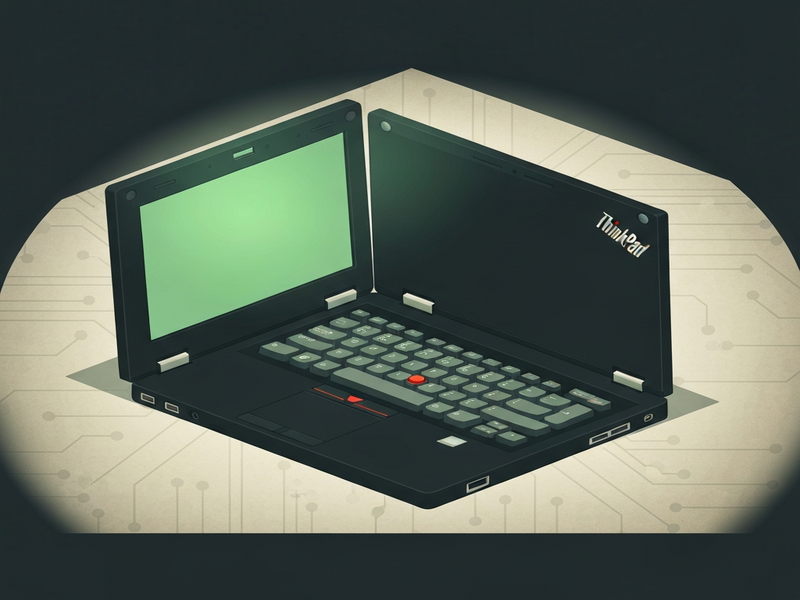
The Origin of the ThinkPad Legend
The myth began in the early 2000s when IBM’s ThinkPad line earned a reputation for:
- Rock‑solid build quality that survived drops, spills, and long‑haul travel.
- Modular internals that made field repairs quick and inexpensive.
- Enterprise‑grade service contracts that kept laptops in the field for years.
These attributes were not born from a philanthropic corporate mission; they were engineered to protect the bottom line of service‑contract revenue. When a laptop can be repaired in minutes rather than replaced, the service provider saves money, and the client enjoys higher uptime.
Over time, the narrative morphed into a romantic story of “indestructible” machines, especially as the market shifted toward sleek, sealed consumer laptops that are harder to fix. The myth persists because it aligns with the values of:
- Tech hobbyists who love to tinker.
- Environmentalists seeking longer‑lasting devices.
- Businesses that need reliable, serviceable hardware.
Durability and Repairability: Engineering Facts
ThinkPad durability stems from three core engineering choices:
- Chassis Design: Magnesium‑alloy frames, reinforced hinges, and spill‑resistant keyboards give the laptops a rugged feel.
- Modular Components: Easy‑access panels for RAM, SSD, and batteries mean technicians can replace parts without specialized tools.
- Standardized Parts: Across generations, many components (e.g., keyboards, hinges) remain compatible, reducing inventory costs for service teams.
Repairability is quantified by the iFixit repairability score (often 8/10 or higher). This high score translates into lower mean‑time‑to‑repair (MTTR) for enterprise IT departments.
From a sustainability perspective, a laptop that can be repaired instead of discarded reduces e‑waste. According to the EPA’s e‑waste report, extending a device’s life by just one year can cut its carbon footprint by up to 30%.
IBM & Lenovo’s Business Model: Why Service Contracts Matter
Both IBM (pre‑2005) and Lenovo (post‑acquisition) generate revenue from two primary streams:
- Hardware Sales: Bulk purchases by corporations, often in fleets of 50‑500 units.
- Extended Service Contracts: Annual or multi‑year agreements that cover on‑site repairs, parts replacement, and upgrades.
When a laptop fails, the service contract obligates Lenovo to dispatch a technician. Because each minute of labor costs the provider, the design emphasizes quick, low‑cost fixes. This creates a virtuous loop: the more repairable the device, the cheaper the contract, and the more attractive the hardware becomes for large buyers.
Once a contract expires, many enterprises retire the fleet, often selling the units on the secondary market. This is why a robust used ThinkPad market thrives—businesses off‑load perfectly serviceable machines at a fraction of the original price.
Why Used ThinkPads Are a Win for Right‑to‑Repair Advocates
For anyone championing the right‑to‑repair movement, ThinkPads offer a real‑world case study:
- Affordability: A five‑year‑old T480 can be purchased for under $200, delivering performance comparable to many new consumer laptops.
- Spare Parts Availability: OEM and third‑party parts are widely stocked on platforms like eBay and Amazon.
- Documentation: Service manuals are publicly available, making DIY repairs feasible.
From an environmental angle, reusing ThinkPads aligns with the UN Sustainable Development Goal 12—responsible consumption and production.
If you’re a startup or SMB looking for a cost‑effective, repairable workstation, consider the UBOS for startups program, which helps you integrate robust hardware into AI‑driven workflows without breaking the bank.
<!– Connecting the Dots: How UBOS Leverages ThinkPad‑Style Reliability
At UBOS homepage, we’ve built an AI platform that mirrors the durability and serviceability ethos of ThinkPads: Our AI marketing agents benefit from the same reliability, ensuring campaigns stay live even when underlying services need maintenance.Applying ThinkPad Principles to Modern AI Platforms
Boost Your ThinkPad‑Inspired Projects with UBOS Templates
The UBOS Template Marketplace offers ready‑made solutions that echo the repairable, modular spirit of ThinkPads:
- AI SEO Analyzer – instantly audit your site’s SEO health.
- AI Article Copywriter – generate high‑quality content on the fly.
- AI Video Generator – create video assets without heavy rendering rigs.
- AI Chatbot template – deploy a support bot that can be swapped for newer LLMs as they appear.
- GPT‑Powered Telegram Bot – a perfect example of a modular bot you can update without reinstalling.
All templates are built on the Web app editor on UBOS, letting you iterate quickly—just like swapping a ThinkPad SSD.
Affordable Plans for Sustainable Development
UBOS offers transparent pricing plans that scale from hobbyist to enterprise, ensuring you never pay for unused features—mirroring the cost‑efficiency of buying a refurbished ThinkPad.
Explore real‑world implementations in our portfolio examples to see how other companies have leveraged modular AI for long‑term ROI.
Takeaway: Durability Is a Business Decision, Not a Gift
ThinkPads endure because their design reduces repair costs and maximizes service‑contract revenue—not because IBM or Lenovo are altruistic. This business‑driven durability makes them perfect candidates for the right‑to‑repair movement and for anyone seeking a sustainable, high‑performing laptop.
If you’re ready to adopt a similar philosophy in your software stack, start with the UBOS templates for quick start and explore the Enterprise AI platform by UBOS. Build modular, repairable AI solutions that stand the test of time—just like a classic ThinkPad.
“Invest in hardware and software that can be fixed, upgraded, and repurposed. That’s the true path to sustainability.” – Tech Sustainability Advocate
Ready to future‑proof your tech stack? Join the UBOS partner program today and get early access to new integrations, including the ChatGPT and Telegram integration that brings conversational AI straight to your workflow.