

- Updated: February 5, 2026
- 5 min read
Study Links Moderate Cannabis Use to Larger Brain Volume and Better Cognition in Adults 40‑77
The CU Anschutz study found that cannabis use among middle‑aged and older adults is associated with larger brain volumes and improved cognitive function.
Cannabis Use Linked to Bigger Brain Volume and Sharper Minds in Adults 40‑80: Insights from CU Anschutz Research
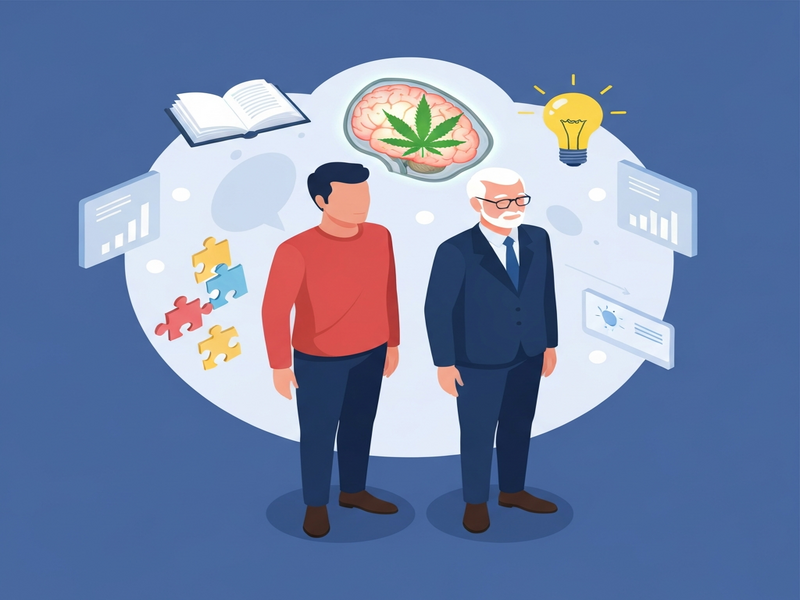
Recent research from the University of Colorado Anschutz Medical Campus reveals a surprising correlation: adults aged 40 to 77 who report lifetime cannabis use tend to have larger regional brain volumes and perform better on cognitive tests than non‑users. As the senior population increasingly turns to cannabis for sleep, pain, and wellness, these findings could reshape how clinicians, policymakers, and health‑conscious adults view the long‑term impact of cannabis on brain health.
Study Design and Participant Demographics
The investigation leveraged the UK Biobank, a massive longitudinal health database that includes neuroimaging, cognitive testing, and self‑reported lifestyle information. Key design elements include:
- Sample size: 26,362 participants (average age 55, range 40‑77).
- Cannabis exposure: Lifetime use categorized as none, moderate (1‑100 times), or high (>100 times) based on self‑report.
- Neuroimaging focus: Regions rich in CB1 cannabinoid receptors (e.g., hippocampus, amygdala, posterior cingulate).
- Cognitive domains assessed: Learning & memory, processing speed, attention, and executive function.
By isolating brain structures with high CB1 density, researchers aimed to capture the most biologically plausible effects of cannabis on the aging brain.
Key Findings: Larger Brain Volume and Enhanced Cognition
Across multiple analyses, the study consistently reported two major trends:
- Increased regional brain volume: Moderate cannabis users showed statistically significant larger volumes in the hippocampus, amygdala, and several cortical areas compared with non‑users.
- Better performance on cognitive tests: The same moderate‑use group outperformed non‑users on tasks measuring memory recall, processing speed, and executive control.
These relationships persisted after adjusting for age, sex, education, alcohol consumption, and cardiovascular risk factors, suggesting an independent association between cannabis exposure and brain health.
Sex‑Specific Results and Dosage Insights
Sex emerged as a nuanced moderator:
- Men: Demonstrated slightly larger effect sizes in hippocampal volume, aligning with pre‑clinical data that males may have higher CB1 receptor density in certain regions.
- Women: Showed comparable cognitive benefits, though some brain regions (e.g., the right amygdala) responded more robustly in female moderate users.
Regarding dosage, the “moderate‑use” bracket consistently yielded the most favorable outcomes. High‑frequency users displayed mixed results—while they retained larger volumes in the amygdala and performed well on visual memory tasks, they did not surpass moderate users across the board. This dose‑response pattern hints at a potential “sweet spot” for cannabis‑related neuroprotection.
Implications for Older Adults and Future Research Directions
These findings challenge the long‑standing narrative that cannabis uniformly impairs cognition. For seniors, the data suggest:
- Neuroprotective potential: Larger brain volumes may reflect reduced age‑related atrophy, a key factor in dementia risk.
- Therapeutic windows: Moderate, controlled use could complement existing strategies for maintaining memory and executive function.
- Personalized guidance: Sex‑specific responses and dosage nuances underscore the need for individualized counseling.
Future investigations will need to address several gaps:
- Precise quantification of THC vs. CBD exposure.
- Longitudinal tracking to determine causality versus correlation.
- Functional connectivity analyses—already underway in a follow‑up manuscript.
- Exploration of other psychoactive compounds (e.g., psilocybin) on brain health in aging populations.
“We’re really interested in thinking about both the benefits and risks and understanding this drug in the context of mental health, dementia and more. There’s so much more to explore.” – Dr. Anika Guha, PhD, Clinical Psychologist, CU Anschutz
What This Means for Your Health Journey
If you’re a health‑conscious adult navigating the complexities of cannabis, consider these actionable steps:
- Consult a medical professional before initiating or adjusting cannabis use, especially if you have a history of cardiovascular or psychiatric conditions.
- Start with low‑to‑moderate doses and monitor cognitive performance over time.
- Stay informed about product composition—THC‑dominant strains may have different effects than CBD‑rich formulations.
For those interested in leveraging AI to personalize wellness strategies, explore our AI marketing agents that can curate evidence‑based content tailored to your health goals. If you’re a startup or SMB looking to integrate AI‑driven health insights, the UBOS solutions for SMBs provide a secure platform for data‑centric decision making. And to understand the full capabilities of our ecosystem, visit the UBOS platform overview, where you can build custom dashboards that track cognitive metrics alongside lifestyle factors.
Read the full scientific report in the original CU Anschutz article for detailed methodology and statistical tables.
Conclusion: A Nuanced Narrative for Seniors
The CU Anschutz study adds a compelling piece to the evolving puzzle of cannabis and brain health. While larger brain volumes and superior cognitive scores among moderate users suggest potential neuroprotective effects, the single region showing reduced volume (posterior cingulate) reminds us that the relationship is complex. As cannabis becomes more accessible and older adults continue to experiment with it for therapeutic reasons, clinicians, researchers, and consumers alike must adopt a balanced, evidence‑based perspective.
By staying informed, seeking professional guidance, and leveraging emerging AI tools for personalized health insights, seniors can make smarter decisions about cannabis use—potentially preserving brain health well into their golden years.