

- Updated: February 20, 2026
- 6 min read
OpenAI Unveils Camera‑Enabled Smart Speaker: AI‑Powered Home Assistant Set for 2027
OpenAI’s upcoming smart speaker with a built‑in camera is a $200‑$300 AI‑powered home assistant that will launch in early 2027, offering facial recognition, real‑time object detection, and seamless ChatGPT integration for conversational interactions.
OpenAI Announces Its First Consumer Hardware: A Camera‑Enabled Smart Speaker
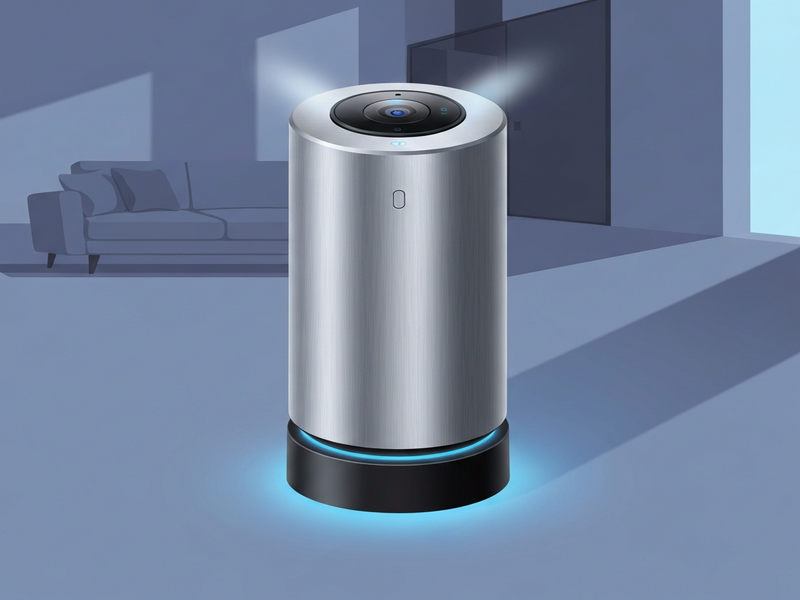
Tech enthusiasts and AI professionals have been waiting for OpenAI to step beyond the cloud and into the living room. The company’s first hardware venture, a sleek smart speaker equipped with a high‑resolution camera, promises to redefine how we interact with AI at home. According to The Verge article, the device will recognize objects on nearby tables, understand contextual conversations, and even use a Face‑ID‑style system for secure purchases.
What Makes This Smart Speaker Different?
The upcoming OpenAI smart speaker blends cutting‑edge hardware with the conversational prowess of ChatGPT. Below is a concise breakdown of its core capabilities:
- Camera‑Driven Context Awareness: 1080p camera with AI‑powered object and scene detection.
- Facial Recognition for Personalization: Secure, on‑device Face ID that tailors responses and authorizes transactions.
- Native ChatGPT Integration: Real‑time, multimodal queries that combine voice, text, and visual inputs.
- Privacy‑First Architecture: Edge processing for camera data, ensuring no raw footage leaves the device without user consent.
- Open Ecosystem: SDKs for developers to build custom skills, leveraging OpenAI’s API and third‑party services.
Pricing Range and Expected Release Timeline
Industry insiders at The Information estimate the retail price to fall between $200 and $300. This price point positions the speaker competitively against existing premium devices while offering advanced AI features that are currently unavailable elsewhere.
OpenAI has signaled a launch window no earlier than March 2027. The timeline aligns with the company’s broader hardware roadmap, which also hints at smart glasses and a smart lamp slated for later releases.
Design Heritage: Jony Ive’s Influence on the New Speaker
Last May, OpenAI acquired the design studio founded by Sir Jony Ive for an estimated $6.5 billion. The acquisition brings a legacy of minimalist, tactile design to OpenAI’s hardware ambitions. Expect the speaker to feature:
- Smooth, matte finishes that blend into modern interiors.
- A single, unobtrusive camera aperture that doubles as a status indicator.
- Intuitive touch controls inspired by Ive’s work on the Apple HomePod.
This design philosophy not only enhances aesthetics but also reinforces privacy by making the camera’s presence obvious yet elegant.
How It Stacks Up Against Existing Smart Speakers
| Feature | OpenAI Smart Speaker | Amazon Echo Show 10 | Google Nest Hub Max | Apple HomePod (2nd Gen) |
|---|---|---|---|---|
| Price (USD) | $200‑$300 | $249 | $229 | $299 |
| Camera Resolution | 1080p (AI‑enhanced) | 13 MP | 6.5 MP | None |
| Facial Recognition | On‑device, secure | Yes (Amazon Sidewalk) | Yes (Google Face Match) | No |
| Core AI Engine | ChatGPT (GPT‑4‑Turbo) | Alexa | Google Assistant | Siri |
| Object Detection | Real‑time, multimodal | Limited | Limited | None |
Implications for the AI‑Powered Home Assistant Market
The introduction of a camera‑enabled, ChatGPT‑driven speaker signals a shift from voice‑only assistants to truly multimodal AI hubs. Key market impacts include:
- Elevated User Expectations: Consumers will begin to expect visual context awareness as a baseline feature.
- Competitive Pressure on Big Tech: Apple, Amazon, and Google must accelerate their own multimodal roadmaps to stay relevant.
- New Revenue Streams: Secure facial‑based purchases open avenues for subscription services, premium content, and AI‑driven commerce.
- Privacy Debate Intensifies: Edge‑processing claims will be scrutinized, prompting regulators to define new standards for in‑home AI cameras.
What This Means for Developers and Enterprises
OpenAI’s hardware push creates a fertile ground for developers to build custom experiences that blend voice, vision, and language. Platforms that already support rapid AI integration, such as UBOS platform overview, can accelerate time‑to‑market for these new use cases.
For example, an e‑commerce brand could leverage the speaker’s facial recognition to enable one‑click purchases, while a smart‑home security firm might develop a skill that alerts homeowners to unfamiliar objects left on a kitchen counter.
UBOS’s AI marketing agents can be trained to interpret visual cues from the speaker, delivering hyper‑personalized promotions based on who is present in the room.
Moreover, the Workflow automation studio enables businesses to chain camera‑triggered events with downstream actions—like updating a CRM or dispatching a service ticket—without writing a single line of code.
Cost Considerations for Enterprises
While the $200‑$300 price tag is modest for consumers, enterprises must evaluate total cost of ownership (TCO). Factors include:
- Device procurement and bulk discounts (see UBOS pricing plans for reference).
- Integration development time—mitigated by pre‑built connectors like OpenAI ChatGPT integration.
- Ongoing AI usage fees (API calls, data storage).
- Security compliance and privacy audits.
Real‑World Use Cases
Below are three scenarios where the OpenAI speaker could deliver immediate value:
- Smart Kitchen Assistant
- Detects ingredients on the countertop, suggests recipes, and can place grocery orders via voice or visual confirmation.
- Home Office Productivity Hub
- Identifies who is present, pulls personalized calendar data, and can start video calls with a single glance.
- Secure Guest Check‑In
- Facial recognition verifies visitors, logs entry times, and can automatically grant Wi‑Fi access.
- AI‑Driven Content Creation
- Integrates with AI SEO Analyzer to generate on‑the‑fly content briefs while you brainstorm in the kitchen.
Integrating the Speaker with Existing UBOS Solutions
UBOS offers a suite of ready‑made integrations that can extend the speaker’s capabilities:
- ChatGPT and Telegram integration – forward visual alerts to a Telegram channel for remote monitoring.
- ElevenLabs AI voice integration – replace the default voice with a custom brand‑specific voice persona.
- Chroma DB integration – store and retrieve visual embeddings for advanced image search.
Stay Updated on OpenAI’s Hardware Journey
For continuous coverage of OpenAI’s product releases, follow our dedicated news hubs:
- UBOS AI news – latest AI breakthroughs and hardware announcements.
- OpenAI updates – curated feed of OpenAI’s research papers, API changes, and device rollouts.
Conclusion: A New Chapter for AI‑Powered Home Assistants
The OpenAI smart speaker with a camera marks a pivotal moment in the evolution of AI hardware. By marrying ChatGPT’s conversational depth with visual perception, OpenAI is setting a new benchmark for what a home assistant can do. Early adopters will benefit from personalized, secure interactions, while developers can leverage existing platforms—such as UBOS’s low‑code environment—to create innovative, multimodal experiences.
As the device approaches its 2027 launch, the industry will watch closely to see how competitors respond, how privacy standards evolve, and how quickly the ecosystem of third‑party skills expands. One thing is clear: the era of voice‑only assistants is ending, and a richer, sight‑enabled AI future is just around the corner.