

- Updated: May 17, 2025
- 3 min read
Challenges of LLMs in Multi-Turn Conversations: A 39% Performance Drop
Understanding LLMs and Their Challenges in Multi-Turn Conversations
In the ever-evolving landscape of artificial intelligence, Large Language Models (LLMs) have emerged as powerful tools capable of transforming various industries. However, recent research conducted by experts from Microsoft and Salesforce has revealed a significant challenge faced by these models: a 39% performance drop in multi-turn conversations. This discovery sheds light on the limitations of LLMs and their implications for the future of AI.
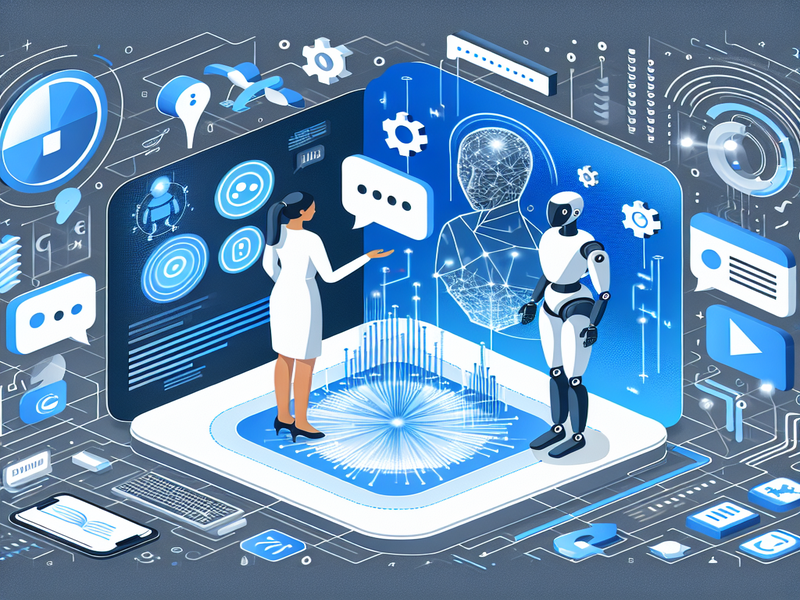
Performance Drop in Multi-Turn Conversations
Multi-turn conversations, where a dialogue consists of several exchanges between users and AI systems, are crucial for applications like customer support and virtual assistants. However, LLMs often struggle to maintain context and coherence over multiple turns, leading to a noticeable decline in performance. This phenomenon has been a focal point of research by Microsoft and Salesforce, who aim to enhance the capabilities of these models.
According to the research, LLMs tend to lose track of context as conversations progress, resulting in responses that are less relevant and accurate. This challenge is particularly evident in tasks that require a deep understanding of nuanced language and context. As AI continues to play a pivotal role in shaping the future of technology, addressing this limitation becomes imperative.
Insights from Microsoft and Salesforce Researchers
Researchers from Microsoft and Salesforce have delved into the intricacies of LLMs to better understand the root causes of the performance drop in multi-turn conversations. Their findings highlight the need for improved mechanisms that enable LLMs to retain context and deliver consistent responses.
One key insight from the research is the importance of context retention mechanisms. By enhancing the ability of LLMs to remember and reference previous exchanges, researchers believe that the models can produce more coherent and contextually relevant responses. Additionally, integrating reinforcement learning techniques has shown promise in improving the adaptability of LLMs in dynamic conversational scenarios.
For businesses looking to leverage LLMs, understanding these challenges is crucial for effective implementation. Platforms like the OpenAI ChatGPT integration on UBOS offer valuable insights into optimizing AI performance in real-world applications.
Implications for the Future of AI
The implications of these findings extend beyond immediate technical challenges. As AI systems become increasingly integrated into daily life, the ability to engage in seamless and meaningful conversations is paramount. Addressing the performance drop in multi-turn conversations is a step towards realizing the full potential of AI in various domains.
For industries such as customer service, healthcare, and education, LLMs hold the promise of revolutionizing interactions. By overcoming the limitations identified by Microsoft and Salesforce, organizations can enhance user experiences and drive innovation. The Generative AI agents for businesses on UBOS exemplify how AI advancements can be harnessed to create impactful solutions.
Conclusion: Embracing the Future of AI
As the field of AI continues to advance, addressing the challenges faced by LLMs in multi-turn conversations is a critical endeavor. The insights provided by Microsoft and Salesforce researchers offer a roadmap for improving AI performance and ensuring meaningful interactions with users.
For tech enthusiasts, AI researchers, and industry professionals, staying informed about these developments is essential. By leveraging platforms like the UBOS platform overview, organizations can explore innovative solutions that address the limitations of LLMs and drive progress in AI applications.
In conclusion, the journey towards enhancing AI capabilities is ongoing, and the insights from this research serve as a catalyst for future advancements. By embracing these challenges and opportunities, we can unlock the full potential of AI and shape a future where intelligent systems seamlessly integrate into our lives.
For more information on the original research, you can read the full article here.
Andrii Bidochko
CTO UBOS
Andrii Bidochko is an AI entrepreneur and researcher focused on AI agents, reinforcement learning, and autonomous systems. He writes about the technologies shaping the future of machine intelligence, from frontier models and agent architectures to real-world AI applications.