

- Updated: June 6, 2025
- 4 min read
Balancing Innovation and Ethics in AI Adoption
AI Adoption: Balancing Innovation with Ethical Considerations
In recent years, AI adoption has been on a meteoric rise, revolutionizing industries and reshaping the way businesses operate. Yet, as we embrace this transformative technology, it is crucial to maintain a balance between innovation and ethical considerations. This article delves into the significance of a human-first approach, emphasizing the importance of transparency, accountability, and trust in AI implementations.
Understanding the Context of Increasing AI Adoption
With AI technologies becoming more sophisticated, their adoption across various sectors has accelerated. From healthcare to finance, AI is streamlining operations, enhancing decision-making, and driving efficiency. However, this rapid adoption brings with it a set of challenges that cannot be ignored. As highlighted by the Enterprise AI platform by UBOS, organizations are increasingly seeking solutions that not only leverage AI’s capabilities but also adhere to ethical guidelines.
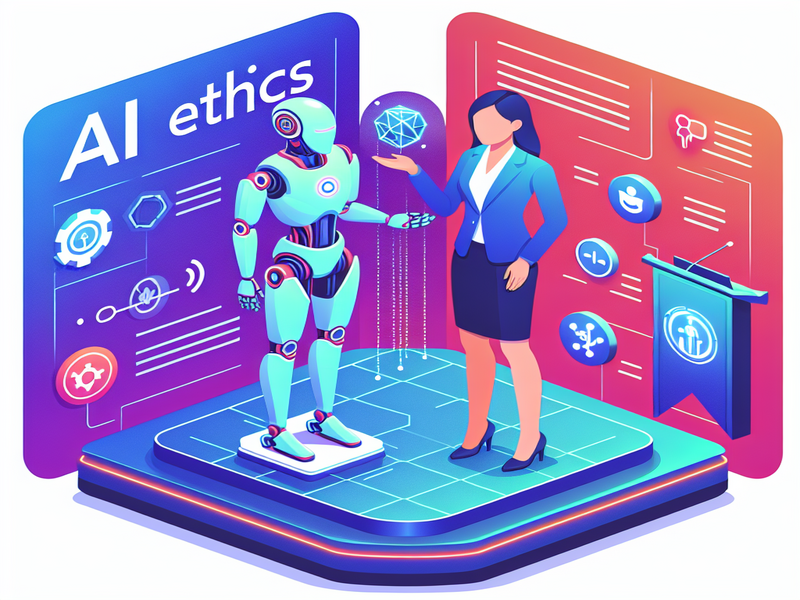
Key Facts About AI Adoption
- AI technologies are expected to contribute over $15 trillion to the global economy by 2030.
- The integration of AI into business processes is projected to increase productivity by up to 40%.
- According to a recent survey, 70% of companies are in the process of implementing AI strategies.
These figures underscore the transformative potential of AI. However, they also highlight the necessity for a framework that prioritizes ethical considerations and a human-first approach.
The Ethical Considerations in AI Adoption
As AI systems become more embedded in our daily lives, the ethical implications of their use become increasingly significant. The potential for bias, lack of accountability, and privacy concerns are some of the ethical challenges that need to be addressed. The AI-powered chatbot solutions on UBOS exemplify how AI can be designed to align with ethical standards, ensuring fair and unbiased outcomes.
Bias in AI Systems
Bias in AI systems can arise from various sources, including biased training data and algorithmic design. This can lead to unfair outcomes, particularly in decision-making processes. To mitigate this, organizations must prioritize diversity in data collection and algorithm development, as discussed in the AI-driven YouTube comment analysis for SMBs.
Accountability and Transparency
Transparency in AI systems is crucial for building trust. Users should have a clear understanding of how AI decisions are made. This involves making AI processes explainable and ensuring that there is accountability for AI-driven outcomes. The AI agents for enterprises on UBOS are designed with these principles in mind, promoting transparency and accountability.
Privacy Concerns
As AI systems often require access to vast amounts of data, privacy concerns are a significant consideration. Organizations must implement robust data protection measures to safeguard user information. The UBOS platform overview provides insights into how data privacy can be maintained while leveraging AI capabilities.
Adopting a Human-First Approach
A human-first approach in AI adoption ensures that technology serves humanity’s best interests. This involves designing AI systems that enhance human capabilities rather than replace them. The AI in stock market trading initiatives by UBOS demonstrate how AI can be used to augment human decision-making, resulting in more informed and efficient outcomes.
The Importance of Transparency, Accountability, and Trust
Building trust in AI systems is essential for their widespread acceptance. This can be achieved by ensuring transparency in AI processes, holding organizations accountable for AI-driven decisions, and fostering a culture of trust. The AI-infused CRM systems on UBOS highlight how trust can be cultivated through transparent and accountable AI solutions.
Industry Developments and Trends
The AI landscape is continually evolving, with new developments and trends shaping the future of technology. As businesses look to harness the power of AI, staying informed about the latest trends is crucial. The igniting innovation with domain-specific ChatGPT initiative by UBOS is a testament to how AI can be tailored to meet specific industry needs, driving innovation and growth.
Conclusion
In conclusion, the adoption of AI technologies offers immense potential for innovation and growth. However, it is imperative to balance this with ethical considerations, ensuring a human-first approach that prioritizes transparency, accountability, and trust. As organizations navigate the complexities of AI adoption, they must remain committed to ethical guidelines, fostering a future where AI serves as a tool for positive change.
For more insights into AI adoption and ethical considerations, visit the UBOS homepage.
Andrii Bidochko
CTO UBOS
Andrii Bidochko is an AI entrepreneur and researcher focused on AI agents, reinforcement learning, and autonomous systems. He writes about the technologies shaping the future of machine intelligence, from frontier models and agent architectures to real-world AI applications.